Capturing the essence of nature on canvas is a challenge every artist yearns to conquer. The perfect solution lies in plein air painting, a method that allows you to paint outdoors, fully immersed in the landscapes and natural light around you. As you step into this artistic realm, understanding what is plein air painting is crucial. This guide will walk you through the history, techniques, and inspiration behind plein air art, helping you start your outdoor painting journey.
What is Plein Air Painting?
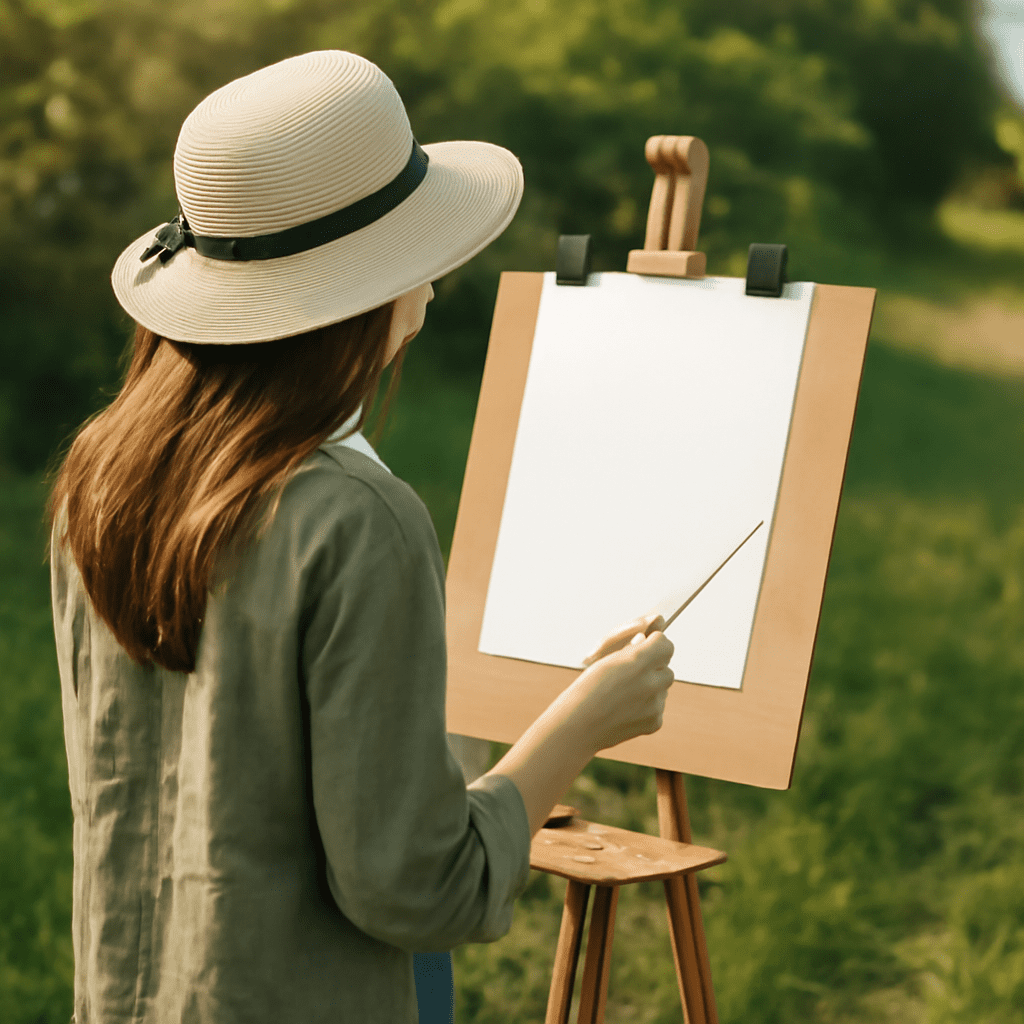
Plein air painting is the practice of painting landscapes directly from nature. The term “plein air” is derived from the French phrase “en plein air,” meaning “in the open air.” This method emphasizes capturing the atmosphere, light, and essence of a scene in real-time. Using this approach, artists often find themselves closely observing changes in light and weather, which adds vitality to their work.
Beyond mere landscape sketches, plein air painting serves as a way to sharpen your observational skills and connect deeply with your subject. The challenge is to translate fleeting light and fleeting moments onto your canvas, making each piece a unique interpretation of a single moment in time.
The History of Plein Air Art
The roots of plein air art go back to the 19th century when artists began venturing outside of their studios to paint. This movement was bolstered by the invention of portable easels and the availability of ready-made paints in tubes. Notably, the Impressionists were among the first to popularize plein air painting, capturing the changing effects of light and atmosphere with vibrant color palettes.
Today, plein air painting continues to inspire artists worldwide, maintaining its relevance in an ever-evolving art world. Artists like Claude Monet and Pierre-Auguste Renoir are celebrated for their contributions to this genre, proving that plein air painting remains a beloved practice for capturing nature’s splendor.
Getting Started with Plein-Air Painting
Essential Materials
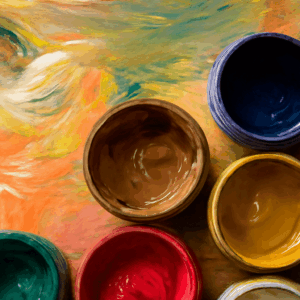
Starting your plein-air painting journey requires some basic materials. A portable easel, canvas, and a set of brushes are essential tools for this art form. Acrylics or oils are popular choices for their vivid colors and blendability, while watercolors offer a light, transparent finish. Make sure to include a palette, paper towels, and a sturdy bag to transport your supplies comfortably.
Your plein-air toolkit should also have items for your comfort, such as a folding chair, hat, and sunscreen. Preparing for the elements ensures that you can focus on your artwork without distraction.
Choosing the Right Location
The key to successful plein-air painting is selecting a location that inspires you. Look for spots with dynamic lighting and interesting subjects. Whether it’s a bustling urban scene or a serene countryside, your choice should evoke a sense of connection. Aim for locations that offer diverse elements like water, foliage, and structures to give your composition variety.
Consider visiting your chosen location at different times of the day to observe how the light changes. This practice will enhance your understanding of how natural light affects the scene, allowing you to capture it accurately on canvas.
Techniques and Tips for Plein Aire Painting
Mastering plein aire painting techniques involves practice and patience. Start with quick sketches to warm up and get a feel for the scene. Use bold strokes to capture the basic shapes and tones, gradually adding details as you progress. This method helps preserve the spontaneity and freshness that plein air painting is known for.
Experimenting with color mixing on your palette can yield unexpected hues that capture the spirit of your environment. Keep your brushstrokes loose and fluid to convey movement and light. Remember, the goal is not to replicate the scene exactly but to interpret it through your artistic lens.
Famous Plein Air Artists to Inspire You
Throughout history, many artists have garnered fame through their plein air masterpieces. Claude Monet, known for his Impressionist landscapes, painted plein air to capture the delicate interplay of light and color. Another iconic figure, Camille Pissarro, utilized this technique to depict rural and urban settings with remarkable depth.
Modern artists continue to draw inspiration from these pioneers. Attending plein air festivals and exhibitions can provide further insight into current trends and techniques, offering new ideas to incorporate into your work.
Conclusion: Embrace the Plein Air Experience
Stepping into the world of plein air painting opens a new dimension of artistic expression, allowing you to engage directly with nature. This approach not only enhances your technical skills but also enriches your creative perspective. As you embark on your plein air journey, remember that each brushstroke is a step toward mastering the art of capturing the essence of outdoor scenes.
Enjoy the process of exploring new locations and experimenting with different techniques. By embracing the plein air experience, you cultivate a deeper appreciation for the beauty of the world around you.