

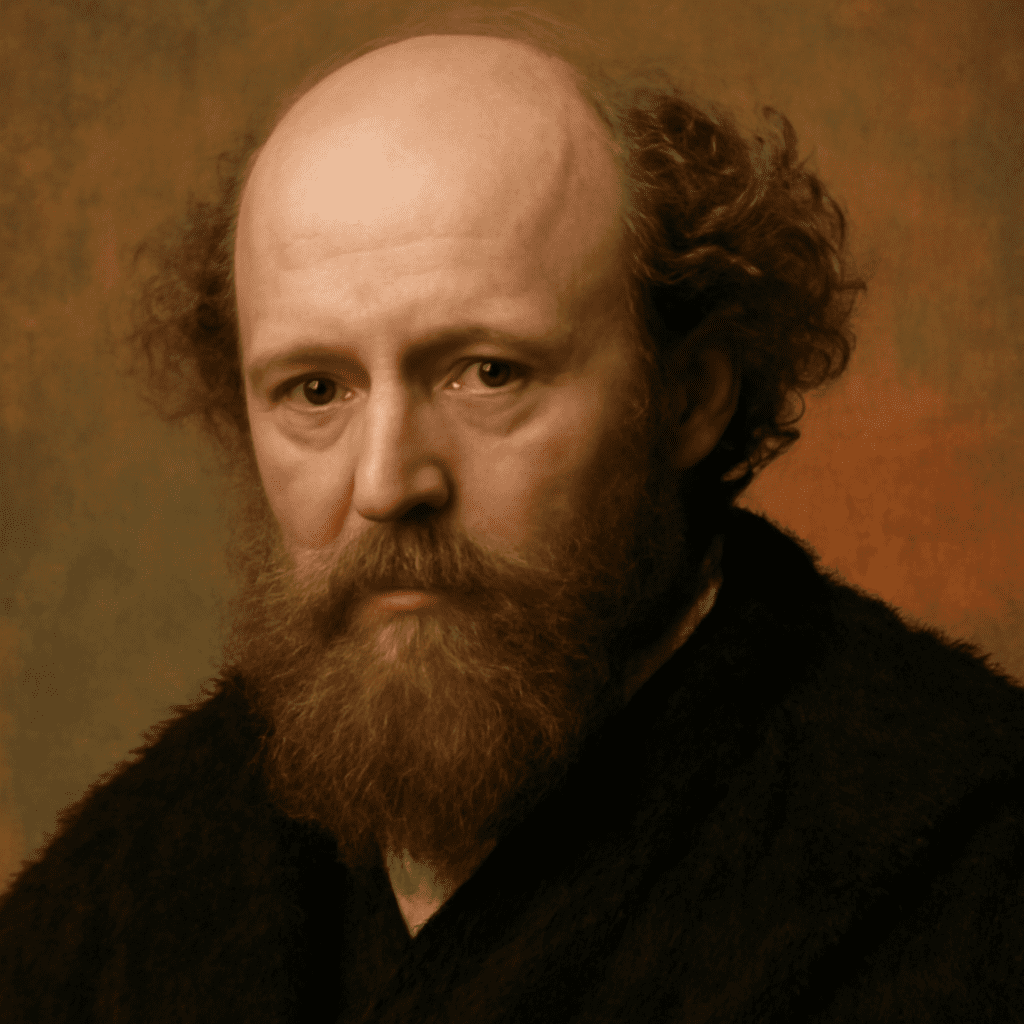
In an era defined by artistic innovation and dramatic expression, Peter Paul Rubens emerged as a transformative figure in Baroque painting. Known for his dynamic compositions and vivid use of color, Rubens artist became synonymous with the exuberance and intensity of the Baroque period. This article unravels the mastery behind his work and the lasting impact he had on painting and illustration, offering insight into the techniques and legacy of a true artistic pioneer.
Introduction to Peter Paul Rubens
Peter Paul Rubens was a pivotal figure in Baroque painting, celebrated for his ability to capture movement and emotion within his compositions. Born in the late 16th century, Rubens artist flourished as a master painter whose works continue to inspire artists today. His approach combined Renaissance techniques with a bold, theatrical style that defined an era and set new standards for artistic expression.
The Life and Times of Rubens
Throughout his life, Peter Paul Rubens navigated the cultural and political landscapes of Europe, residing in influential art centers such as Antwerp and Rome. This exposure to diverse artistic traditions enriched his own work, allowing him to assimilate elements from Italian Renaissance masters and Northern European painters. His travels and diplomatic undertakings influenced not only his personal style but also expanded his network, establishing him as a sought-after artist among European nobility.
Rubens’ fluency in multiple languages and his diplomatic acumen enabled him to serve as an ambassador, a role which furthered his artistic career by granting him access to prestigious commissions. These experiences during his life shaped his comprehensive understanding of art and culture, which he seamlessly wove into his paintings.
Artistic Style and Techniques
Rubens’ unique style is marked by dynamic movement, vibrant color palettes, and dramatic contrasts of light and shadow. His use of luxurious, flowing fabrics and robust, lifelike figures revolutionized painting and illustration during the Baroque period. He demonstrated mastery in depicting complex narratives and emotions, which drew viewers into the scenes he depicted.
One of Rubens’ hallmark techniques was his adept use of chiaroscuro, a method of contrasting light and dark to create volume and depth. This technique, combined with his expressive brushwork, gave his paintings a sense of immediacy and vitality. Moreover, Rubens was known for his preparatory sketches, where he experimented with composition and form, revealing his meticulous approach to developing ideas before executing final artworks.
Famous Works by Rubens
Peter Paul Rubens’ oeuvre includes numerous iconic masterpieces that capture the essence of Baroque artistry. “The Descent from the Cross” and “The Garden of Love” exemplify his ability to blend emotional intensity with grandiose compositions. These works showcase his mastery of anatomy and his ability to convey human emotion through gesture and expression.
Another renowned piece, “The Rape of the Daughters of Leucippus,” highlights Rubens’ skill in portraying dynamic action scenes, where figures twist and turn in a harmonious yet chaotic dance. These masterpieces not only reflect Rubens’ genius but also the collaborative efforts of his workshop, where skilled assistants contributed under his guidance to complete large-scale commissions.
Legacy and Influence in Modern Art
Rubens’ impact on modern art is undeniable, influencing countless artists across centuries. His revolutionary techniques and grand themes find echoes in the works of later masters such as Delacroix, Van Dyck, and even Picasso. Contemporary painting and illustration continue to draw from Rubens’ approach to color, movement, and emotional depth.
The legacy of Rubens is also evident in the enduring admiration for his paintings worldwide, with exhibitions and retrospectives attracting art enthusiasts eager to experience his vibrant storytelling and technical prowess. Rubens’ influence reaches beyond painting, impacting various art forms and inspiring new generations of artists to push the boundaries of their creative expression.
Safety Recap: When exploring Rubens’ techniques or recreating his style, remember to handle art materials with care, ensuring proper ventilation and protective gear as needed.