
In the world of art, where every stroke and line matters, mastering the balance of positive space in art can transform a simple piece into a captivating masterpiece. Positive space art plays a crucial role in creating dynamic compositions, as it determines the focal points and draws the viewer’s eye. By understanding how negative and positive space harmonize, artists can create stunning positive negative art that captivates and engages the audience.
As you delve into the complexities of negative space art, you’ll find that it involves more than just the absence of physical elements. It’s about using the space purposefully to enhance the overall design and convey a deeper message. Let’s explore how these concepts can be applied to create visually compelling artworks.
Understanding Negative Space Art
Negative space art is not just about the blank areas on the canvas. It’s the strategic use of empty space to highlight and complement the elements of the composition. When you focus on negative space, you allow the main theme to breathe and shine. This approach can emphasize the subject, providing a sense of balance and sophistication.
The art of using negative space effectively involves recognizing the potential of voids to enhance the actual form. You create tension and dynamics by allowing the viewer’s imagination to fill in the gaps. It’s an invitation to engage more deeply with the artwork, prompting a dialogue between what is visible and what is implied.
The Role of Positive Space in Art
Positive space in art encompasses the areas occupied by the main subjects and objects. This space defines the figures, shapes, and forms that are the focal points of the composition. Understanding positive space is vital as it helps direct the viewer’s attention to the key elements and narratives you wish to convey.
In positive space art, your challenge is to balance the occupied and unoccupied areas to prevent overcrowding and chaos. By strategically placing your subjects, you create a rhythm and flow that guides the observer’s gaze naturally across the canvas. This dynamic interaction between occupied and empty space is what gives energy and life to your art.
How Negative and Positive Space Interact
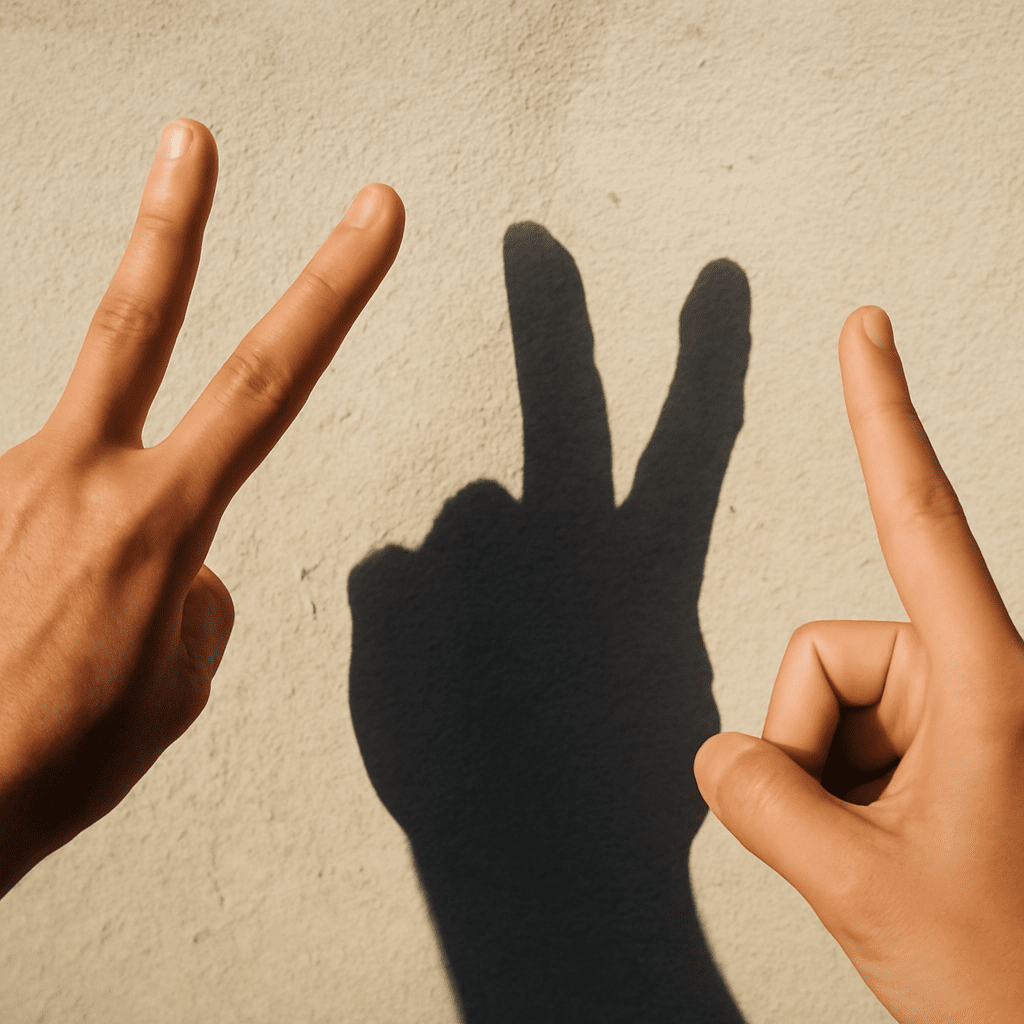
The interplay between negative and positive space is where the magic truly happens. This interaction can transform a flat image into a multidimensional experience. When you juxtapose negative and positive spaces, you create contrast and movement, making the artwork more engaging.
By mastering this interaction, you can guide the viewer’s eye through the composition, emphasizing certain elements while allowing others to recede. The balance of positive space in art influences how the narrative unfolds, providing context and depth. This delicate dance between spaces can evoke emotions and thoughts that resonate with the observer on a personal level.
Creating Balance with Positive Negative Art
Achieving balance with positive negative art involves a keen understanding of spatial dynamics. You must assess the relationship between occupied and unoccupied spaces to ensure harmony. It’s about orchestrating visual weight, where each element contributes to the overall equilibrium.
Consider the distribution of positive space when designing your composition. Ensure that the elements do not overwhelm or diminish the impact of the negative space. Effective positive space art requires that each segment works cohesively, forming a unified and compelling piece that engages and intrigues.
Tips for Mastering Negative and Positive Space
Mastering negative and positive space requires practice and attention to detail. Here are some tips to help you refine your skills:
- Observe: Spend time studying works that effectively use negative space. Analyze how artists balance the occupied and unoccupied areas to convey their message.
- Experiment: Try different compositions by adjusting the size and placement of elements. Test how varying amounts of positive space affect the overall balance and visual appeal.
- Consider context: Understand how the interaction of spaces can change with different themes and media. Adapt your approach based on the story you want to tell and the materials you are using.
- Seek feedback: Share your work with peers or mentors who can provide constructive criticism on your use of space. They can offer insights that you might not have considered.
The journey to mastering the balance of positive space in art is an ongoing process. As you refine your understanding and skills, you’ll find new ways to express ideas and emotions through the interplay of negative and positive spaces.
Bottom line: Negative and positive space art is a powerful tool that can elevate your work from ordinary to extraordinary. By skillfully balancing these elements, you create compositions that not only capture attention but also resonate deeply with viewers, inviting them to explore and feel the message behind the art.