

Photography is not just about capturing moments; it’s about telling a story through your lens. One key technique that can transform your visual storytelling is the rule of thirds. When you master the rule of thirds photography techniques, you elevate your composition skills, creating powerful and striking images. In this article, we’ll explore how this simple guideline can make your images more compelling and guide the viewer’s eyes effortlessly across the frame.
Understanding the Rule of Thirds
The rule of thirds is a fundamental concept in photography that involves dividing your image into nine equal parts using two equally spaced horizontal lines and two equally spaced vertical lines. This imaginary grid creates four intersection points, which are key areas for placing your subject or elements of interest. By aligning your subject along these lines or at their intersections, you create more balanced and engaging compositions.
Incorporating this rule requires practice and a keen eye for detail. It’s about breaking the norm of placing subjects at the center and instead, leading the viewer’s gaze naturally through your image. This principle is not only used in photography but is also prevalent in other forms of visual art, showcasing its universal appeal.
Why the Rule of Thirds Matters
Why should you bother with the rule of thirds? It’s simple: it can significantly enhance the quality of your photographs. By using rule of thirds images, you create a sense of harmony and balance that is visually pleasing. This method helps in making your compositions less predictable and more dynamic.
Additionally, the rule of thirds photography technique encourages photographers to think beyond the central focus. It compels you to incorporate the environment or background, adding layers and depth to your images. Such thoughtful placement of elements can evoke emotions, provide context, and tell a more complete story.
How to Apply the Rule of Thirds
Implementing the rule of thirds in your photography involves a few straightforward steps. First, visualize the grid on your viewfinder or camera screen. Many modern cameras and smartphones offer a feature to superimpose this grid, making it easier for you to frame your shots.
Next, decide which parts of the scene you want to emphasize. For instance, in a landscape photo, you might place the horizon along one of the horizontal lines, while a tree or building aligns with a vertical line. By doing so, you draw attention to key elements without overwhelming the viewer.
Experimentation is crucial. Try different angles and perspectives to see how the rule of thirds enhances your compositions. Over time, you’ll develop an instinct for it, making the process almost second nature.
Examples of Rule of Thirds Images
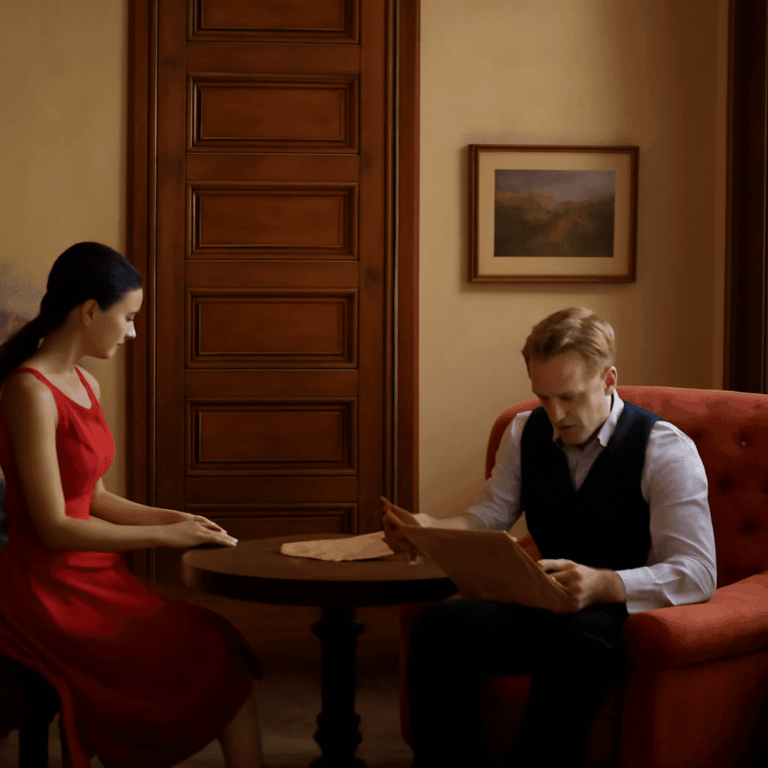
To truly grasp the power of the rule of thirds, observing examples is vital. Consider a portrait where the subject’s eyes align with the top horizontal line, immediately drawing attention. This placement not only highlights the subject’s expression but also adds ample space for the background, enriching the narrative.
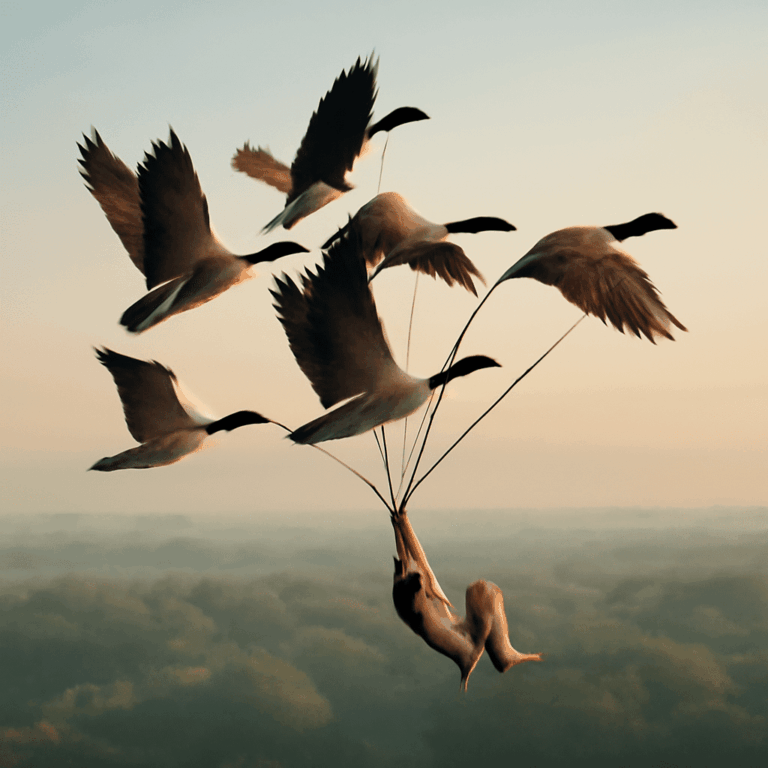
In wildlife photography, capturing an animal where it occupies one-third of the frame while the remaining space showcases its habitat can convey a story about its environment and behavior. Such rule of thirds images offer a perfect blend of subject focus and environmental context.
Street photography also benefits greatly from this technique. Positioning a passerby along one of the vertical lines against the backdrop of a bustling street scene creates depth and invites viewers to explore every corner of the frame.
Common Mistakes and How to Avoid Them
While the rule of thirds is a powerful tool, misapplication can occur. One common mistake is applying it too rigidly. Remember, it’s a guideline, not a hard rule. Sometimes, centering the subject may better serve your creative vision.
Avoid neglecting other compositional elements such as leading lines, symmetry, and framing. These can complement the rule of thirds and enhance your overall composition. Additionally, don’t forget to consider the emotional impact of your image. Overemphasis on technical accuracy can sometimes strip an image of its emotional essence.
To avoid these pitfalls, continually review your work and seek feedback. Engaging with photography communities can provide invaluable insights and different perspectives on your compositions.
Key takeaways: Mastering the rule of thirds can significantly elevate your photography by offering balanced, engaging compositions. Practice regularly, embrace flexibility, and most importantly, let your creativity guide you in creating compelling, storytelling photographs.