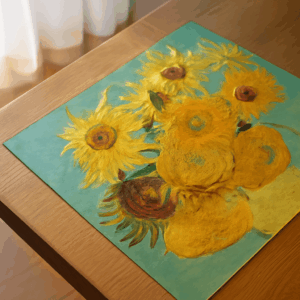


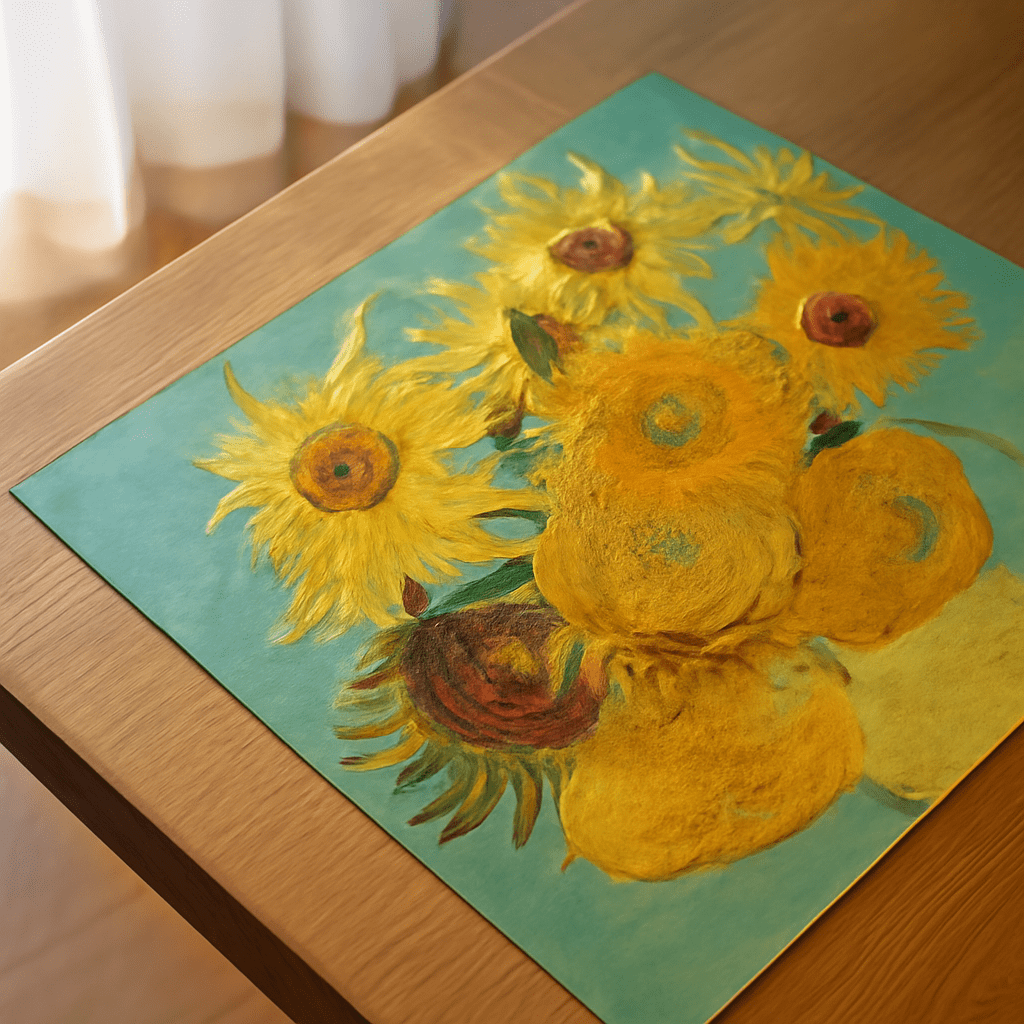
In the late 19th century, Vincent Van Gogh created a series of paintings that would become iconic representations of his genius: the Sunflowers. These vibrant pieces not only showcased Van Gogh’s unique style but also revolutionized art in a way that continues to inspire artists today. While Van Gogh’s sunflowers are renowned for their bold colors and emotional depth, they also highlight a technique that was ahead of its time. Alongside the influence of Picasso’s sunflowers, these masterpieces invite a deeper understanding of artistic innovation.
Van Gogh’s approach to painting sunflowers was not solely about capturing the beauty of nature. It was an exploration of color, texture, and form—elements that Picasso, too, would later explore. By examining these artworks, you can appreciate the broader impact they had on the evolution of modern art and discover where to experience these masterpieces firsthand.
The Inspiration Behind Van Gogh’s Sunflowers
Vincent Van Gogh was particularly inspired by the sunny, vibrant landscapes of Arles in the South of France when he painted his sunflowers. During this time, he sought to infuse his work with the warmth and intensity of the Provençal sun. The sunflower series was originally intended to welcome his friend and fellow artist Paul Gauguin, whom Van Gogh invited to stay with him at the Yellow House. In these paintings, you see Van Gogh’s passion for capturing the essence of life, reflected in the hearty, sunlit blooms.
Van Gogh’s choice of sunflowers wasn’t arbitrary. They symbolized gratitude and friendship—key themes he hoped to convey to Gauguin. Through this series, Van Gogh emphasized the cycle of life, portraying sunflowers in various stages of bloom and decay. This cycle mirrors Van Gogh’s own turbulent journey and emotional state, lending a personal narrative to the broader artistic discourse.
Analyzing the Technique in Sunflowers by Van Gogh
The technique used in the sunflowers by Van Gogh is characterized by thick, bold brushstrokes that create a sense of movement and texture, a method known as impasto. This approach allows the paint to stand out from the canvas, giving a three-dimensional quality to the work. Van Gogh’s unique painting technique is evident in his application of contrasting colors, which offers a dynamic visual experience that captures the viewer’s attention.
Van Gogh’s distinctive style wasn’t just about technique—it was about innovation. By experimenting with color, he broke away from traditional methods, choosing vibrant yellows and deep greens to make the sunflowers pulse with life. His work is an exploration of light and shadow, creating depth and intensity that convey emotion and mood. Each sunflower painting invites you to witness his masterful balance between chaos and control.
Comparing Van Gogh’s Sunflowers to Picasso’s Approach
When comparing Van Gogh’s sunflowers to Picasso’s approach, it’s essential to consider their different artistic philosophies. While Van Gogh focused on emotion and realism, Picasso was known for his abstract, analytical approach to art. Picasso’s sunflowers were less about replicating nature and more about deconstructing it, using geometric forms and a muted palette to reimagine the subject.
Though both artists used sunflowers as their muse, their techniques highlight contrasting visions. Van Gogh’s sunflowers are vibrant and emotive, capturing the raw essence of their subject, whereas Picasso’s works reflect a cerebral, conceptual exploration. These differences showcase the diverse ways artists can interpret a single subject, offering a rich dialogue between two artistic giants.
Van Gogh’s Legacy and Influence on Modern Art
The legacy of Van Gogh’s sunflowers extends beyond their immediate beauty. By pioneering techniques that emphasized emotional expression, Van Gogh paved the way for subsequent art movements such as Expressionism and Fauvism. His innovative use of color and texture continues to influence contemporary artists, encouraging them to explore the boundaries of traditional painting.
Van Gogh’s impact is evident in the way modern artists approach color theory and emotional representation in their works. By studying Van Gogh’s masterpieces, you can gain insights into how emotional depth and technical mastery can coexist, providing new ways to appreciate and create art.
Where to View Van Gogh’s Sunflowers Today
If you’re eager to experience Van Gogh’s sunflowers firsthand, several museums across the world house these masterpieces. The Van Gogh Museum in Amsterdam boasts a collection that includes some of the most famous pieces, allowing you to immerse yourself in Van Gogh’s world. The National Gallery in London and the Neue Pinakothek in Munich also display his sunflowers, each with its own unique piece from the series.
Visiting these museums offers a tremendous opportunity to see the vivid colors and textured brushstrokes up close, enhancing your understanding of Van Gogh’s artistic process. By observing the paintings in person, you can appreciate the complexity and beauty that photographs simply cannot capture.
Next Steps
To delve deeper into Van Gogh’s art, consider exploring his other works and the cultural contexts that influenced his style. Attend workshops or art classes focusing on techniques like impasto to gain hands-on experience with this expressive method. Engaging with these practices can enhance your appreciation of Van Gogh’s contributions and inspire your own artistic journey.