


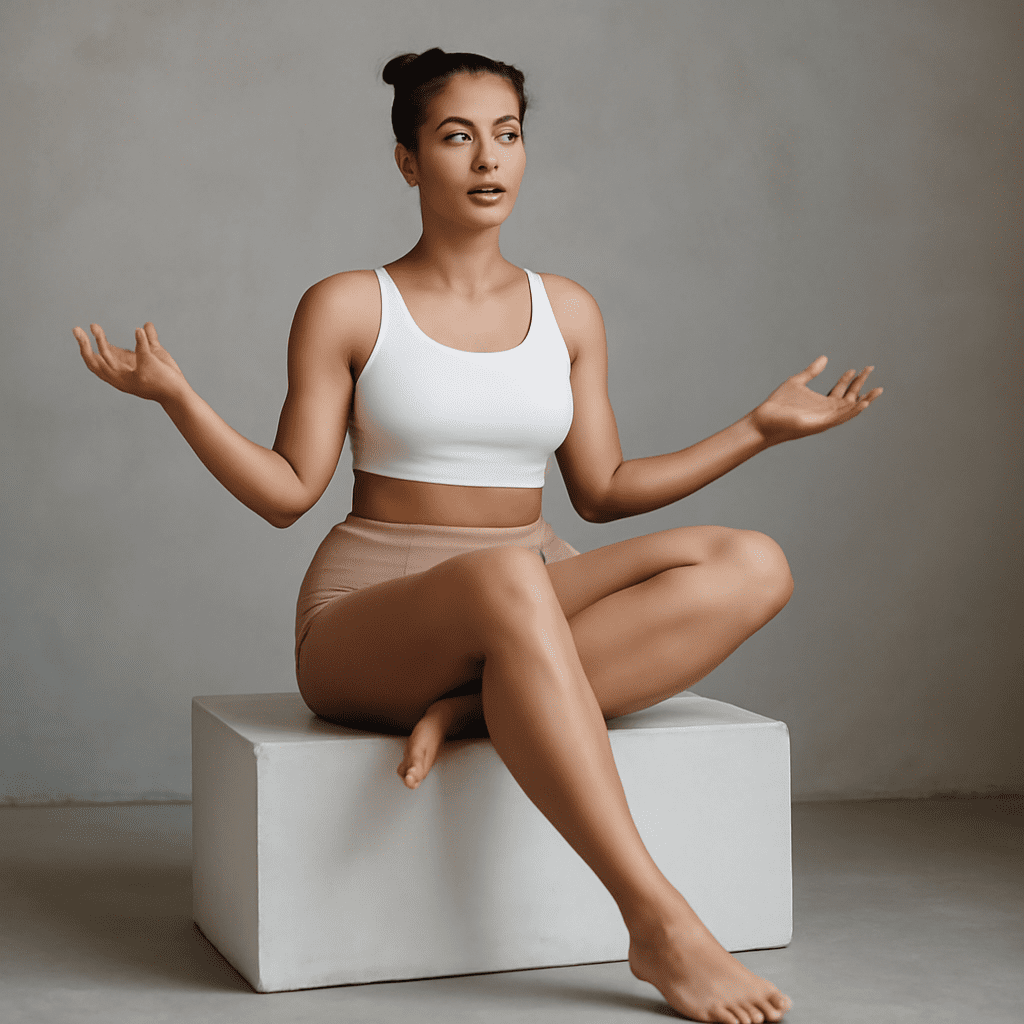
Are you looking to master the art of drawing sitting poses? The ability to sketch cute sitting poses can significantly enhance your artistic repertoire. Whether you’re aiming for realism or stylized charm, understanding how to draw sitting poses is an essential skill for any artist. This guide will provide you with the essential techniques and insights to capture endearing sitting postures effortlessly.
Understanding the Basics of Cute Sitting Poses
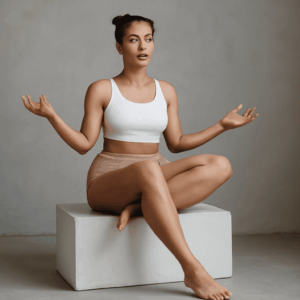
Before diving into drawing, it’s crucial to grasp the fundamentals of sitting poses. A cute sitting pose often involves a relaxed yet dynamic posture. Pay attention to body proportions and how weight is distributed. Notice the gentle curves of the spine, the positioning of limbs, and the subtle tilt of the head. These elements contribute to the overall cuteness of the pose.
Consider how different poses can convey various emotions or attitudes. A slouched position might evoke a sense of relaxation, while an upright sit can suggest alertness. Experimenting with these variations will enrich your understanding and ability to create diverse sitting positions.
How to Draw Sitting Poses: Step-by-Step Guide
When learning how to draw sitting poses, start with a basic skeleton or stick figure. This helps establish the framework and ensures correct proportions. Begin by sketching the head, then the spine, followed by the hips and limbs. Pay careful attention to balance and alignment.
Next, flesh out the figure using simple shapes for the torso and joints. This stage is where you define the body’s volume and form. As you refine the sketch, think about the character’s weight distribution and how the body interacts with the surface it’s sitting on.
Once satisfied with the structure, add details like clothing, facial expressions, and hair. These elements add personality and bring your character to life. Keep in mind that practice and patience are key to mastering cute sitting poses.
Common Mistakes and How to Avoid Them
A frequent error when drawing sitting poses is neglecting the impact of gravity. Ensure that your character’s weight feels grounded and natural. Avoid stiff or unnatural angles, which can make the pose look awkward.
Another common issue is inconsistent proportions. Regularly check the size and placement of body parts against each other. Using references or practicing gesture drawing can help improve your accuracy.
Additionally, be mindful of the space around your character. Avoid crowding the figure with unnecessary elements that detract from the focal point of the pose.
Enhancing Your Drawings with Cute Sitting Poses
To elevate your art, incorporate cute sitting poses that tell a story. Consider the character’s environment and how it influences their posture. Adding props or a background can create a more immersive scene.
Experiment with different perspectives to make your drawings more dynamic. A bird’s-eye view or a low angle can add drama and interest to an otherwise simple pose. Remember, the way you choose to frame the pose can significantly impact its overall appeal.
Utilize shading and highlights to add depth and dimension. This will make your cute sitting poses more lifelike and engaging.
Tips and Tricks for Perfecting Sitting Poses
Practice regularly to refine your skills. Draw from life whenever possible to understand how real bodies move and rest. Observing people in various settings can provide inspiration and insight into natural postures.
Don’t hesitate to use references. Photographs and other artists’ works are valuable resources that can guide you in mastering sitting poses. Analyze the elements that make a pose cute and incorporate them into your style.
Finally, be patient with yourself. Developing the ability to draw cute sitting poses takes time and persistence. Celebrate small victories and progress along the way.
Bottom line: Mastering cute sitting poses involves understanding body dynamics, avoiding common pitfalls, and practicing regularly. With dedication, you’ll enhance your drawings and bring charming characters to life. Keep experimenting and refining your technique to unlock your full artistic potential.