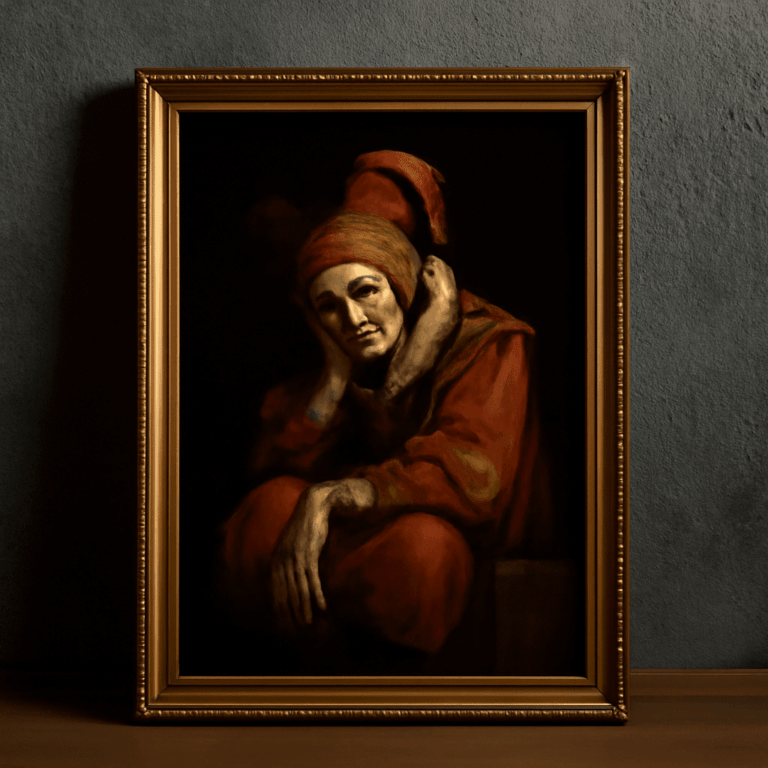



Goth art, with its mysterious allure and dark aesthetics, has long captivated audiences by evoking intense emotions. These gothic paintings draw viewers in with their intricate details and haunting imagery. But what is goth art all about? Understanding this genre requires delving into its history, exploring its evolution, and recognizing its impact on modern design and illustration.
Unveiling the world of gothic paintings reveals a rich tapestry of artists who have mastered the use of shadow, texture, and symbolic motifs. From medieval churches to contemporary canvas, goth art has morphed and adapted, remaining relevant in today’s visual culture. This journey will provide insights into the works and styles that define this captivating art form.
Introduction to Goth Art
Goth art originated in the Middle Ages, deeply rooted in the architectural grandeur and religious narratives of the time. Its early forms were characterized by dramatic contrasts, elaborate decorations, and a sense of awe. From cathedral sculptures to stained glass masterpieces, this art form conveyed both spiritual and emotional depths.
As you explore goth art, you’ll notice its signature style of intertwining beauty with melancholy. The use of dark colors, intricate details, and exaggerated forms often portray themes of mortality and the supernatural. This unique aesthetic continues to inspire artists across various mediums, including paintings, illustrations, and digital art.
The Evolution of Gothic Paintings
The journey of gothic paintings starts in the 12th century, with the construction of Gothic cathedrals. These structures provided a canvas for artists to express religious narratives through vivid imagery. Over time, the style evolved, embracing secular themes and expanding its color palette beyond the confines of black and grey.
In the Renaissance era, gothic art found new life through painters who blended traditional techniques with emerging styles. By incorporating elements like perspective and realism, they created works that were both vibrant and evocative. As you delve into the evolution of gothic paintings, you’ll find a fascinating intersection of age-old traditions and innovative artistry.
Iconic Gothic Artists and Their Works
Several artists have left an indelible mark on the world of goth art. Hieronymus Bosch, with his surreal and often dark depictions of hell and salvation, remains a stalwart of the genre. His work invites viewers to ponder the complexities of human nature and spirituality.
In more recent times, the Pre-Raphaelite Brotherhood embraced gothic elements, producing richly detailed works filled with symbolism. Artists like Dante Gabriel Rossetti and John Everett Millais infused their paintings with a sense of mysticism, bringing goth art into the realm of romanticism.
You can also see the influence of goth art in the works of contemporary artists like H.R. Giger, whose biomechanical designs evoke a haunting blend of beauty and terror. By exploring these iconic artists, you’ll gain an appreciation for the diverse expressions within the gothic tradition.
Goth Art in Modern Design and Illustration
Today, goth art continues to inspire designers and illustrators, permeating various facets of visual culture. Its influence can be seen in fashion, graphic design, and even architecture, where the hallmark features of goth art—such as intricate patterns and dramatic contrasts—are transformed into modern expressions.
As a designer or illustrator, integrating elements of goth art into your work can add depth and intrigue. Through the use of shadow, texture, and a restricted color palette, you can create pieces that resonate with the timeless allure of gothic aesthetics. This approach allows you to engage with a rich artistic tradition while crafting something uniquely your own.
How to Incorporate Goth Art into Your Own Creations
To incorporate goth art into your own creations, start by experimenting with color schemes. Dark, moody hues paired with splashes of vibrant color can evoke a gothic atmosphere. Texture is equally important; consider using materials that add a tactile quality to your work, such as thick, layered paint or digital textures.
Incorporating gothic themes also involves exploring motifs like skulls, ravens, or thorny vines. These symbols can be woven into your designs to create a narrative or evoke emotion. As you delve into creating your own pieces, draw inspiration from the iconic works and adapt these elements to fit your personal style.
By embracing the principles of goth art, you can transform your creations, infusing them with the depth and drama that define this enduring genre. Whether through traditional mediums or digital platforms, the possibilities are vast and varied, inviting you to explore and innovate.