Paleoart offers a unique solution for anyone who’s ever gazed at a fossil and wondered what the living creature actually looked like. As a creative bridge between science and imagination, paleoart lets you use artistic skills to reconstruct prehistoric animals, landscapes, and environments. With dinosaur paleoart, you go beyond bones and fragments, bringing extinct giants vividly back to life on canvas or digital tablet. This blend of scientific research and visual storytelling can captivate both artists and enthusiasts, offering endless inspiration and deepening your understanding of the ancient world.
If you’re fascinated by prehistory and love to paint or draw, dinosaur paleoart opens a hands-on way to explore lost eras. The field of paleoart lets you interpret fossil evidence through your own creative lens, using color, texture, and composition to craft compelling scenes. Whether you’re working traditionally or digitally, learning paleoart techniques helps you create believable, scientifically-informed visuals that honor the real past while leaving room for your imagination. In this guide, you’ll discover what paleoart is, why it matters, its history, essential methods, and practical advice for making your own dinosaur paleoart.
What is Paleoart and Why Does It Matter?
Paleoart is the practice of reconstructing prehistoric life—animals, plants, and ecosystems—through visual art. Unlike standard fantasy illustration, paleoart relies on paleontology, using fossil evidence, anatomical studies, and scientific research as a foundation. When you engage in paleoart, you’re not just creating pretty pictures; you’re visualizing scientific hypotheses, shedding light on the distant past.
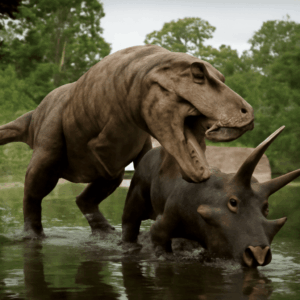
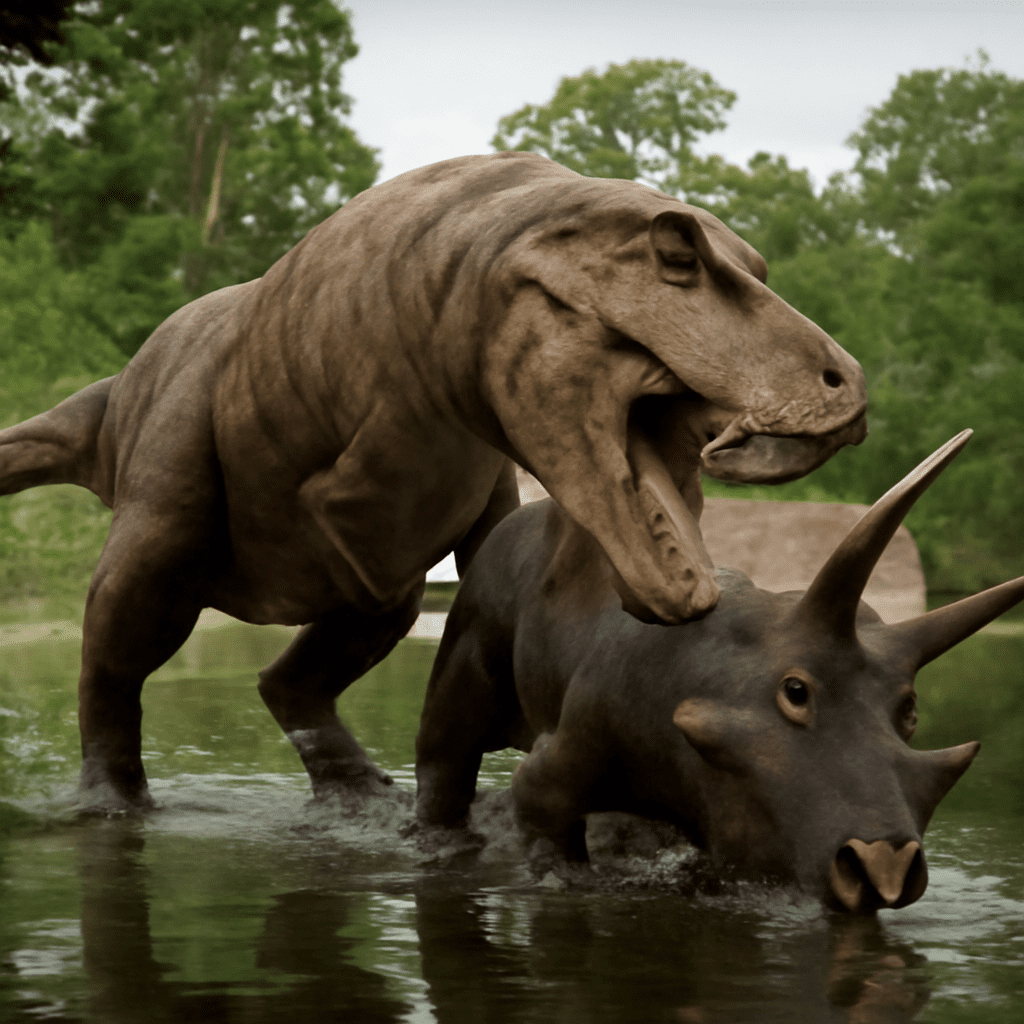
Dinosaur paleoart focuses on depicting dinosaurs with as much accuracy as current knowledge allows. By interpreting fossil data and anatomical clues, you can render everything from feathered theropods to armored sauropods in striking detail. This genre of artwork plays a vital role in science education, making paleontological discoveries accessible and engaging for everyone. You help bridge the gap between technical research and public fascination with dinosaurs by visualizing them in their natural habitats.
Beyond its scientific utility, paleoart matters because it shapes how people imagine prehistoric worlds. The way you illustrate a dinosaur’s posture, skin texture, or coloration can influence public perception for generations. With every paleoart project, you’re contributing to the ongoing dialogue between science and imagination, keeping extinct life relevant and compelling today.
A Brief History of Dinosaur Paleoart
The origins of dinosaur paleoart stretch back to the early 1800s, when artists like Benjamin Waterhouse Hawkins created the first life-sized dinosaur sculptures for public display. These early efforts drew from sparse fossil records and often relied on creative guesswork. As paleontology advanced, so did the accuracy of paleoart, with artists gradually incorporating new scientific findings and anatomical details into their work.
Throughout the 20th century, influential figures such as Charles R. Knight and Zdeněk Burian established new standards for realism in dinosaur paleoart. Their careful anatomical studies and dynamic compositions helped define how generations would visualize prehistoric animals. In recent decades, advances in fossil discovery and digital technology have transformed the field again, allowing for more precise and vivid reconstructions than ever before.
Modern dinosaur paleoart benefits from collaboration with paleontologists and access to 3D scans, CT imagery, and up-to-date research. This continuous blend of art and science not only refines your understanding of extinct creatures but also inspires innovation in artistic techniques and visual storytelling. By studying the evolution of paleoart, you can appreciate both the imaginative leaps and the rigorous inquiry that have shaped the field.
Key Techniques and Tools in Paleoart
To create compelling paleoart, you draw directly from scientific research and combine it with artistic craftsmanship. Start by gathering references: fossil photos, skeletal diagrams, and articles on prehistoric anatomy. Before you pick up a brush or stylus, sketch out anatomical reconstructions, paying close attention to bone structure and proportion. Practicing these foundational studies ensures your final dinosaur paleoart looks believable and well-grounded in current science.
When rendering skin or feathers, experiment with different textures and layering methods. Use dry-brushing techniques for scales, glazing for soft tissue, or cross-hatching to suggest volume and shadow. Digital paleoart gives you flexibility to revise and iterate, with brushes that mimic traditional media. For tactile feedback, physical tools like graphite, colored pencils, or watercolor pencils remain invaluable—especially for capturing the subtle gradations seen in fossil reconstructions.
Lighting, composition, and environment are just as crucial. Imagine how your subject would interact with its habitat: Would a herbivore graze in open plains or shelter in dense forest? Integrating these contextual clues not only enhances the scientific accuracy of your paleoart but also imbues the piece with narrative depth. Remember to revisit your references, comparing your work to fossil reconstructions and expert commentary to refine each detail.
How to Start Creating Your Own Dinosaur Paleoart
Begin your dinosaur paleoart journey by selecting a favorite species to study in depth. Dive into paleontological journals, museum websites, and scientific books for up-to-date information. As you research, make thumbnail sketches to experiment with poses and environments. Try overlaying transparent paper over skeletal diagrams to explore muscle reconstruction and skin placement, gradually developing your own interpretation of the creature.
Block out large shapes using light pencil strokes or digital outlines, focusing on major anatomical landmarks. Once you’re satisfied with the form, build up textures and color, referencing modern animals for inspiration—think crocodile scales or bird feathers. Don’t hesitate to blend digital and traditional techniques, such as scanning pencil sketches for digital painting. This hybrid approach lets you harness the strengths of both worlds.
As you refine your piece, check proportions against reference fossils or expert reconstructions. Regularly step away, returning with fresh eyes to spot mistakes or areas needing more detail. Share your dinosaur paleoart with online paleoart communities for constructive feedback, and don’t be afraid to revise your work as new scientific data emerges. Over time, your understanding and artistic fluency will grow, letting you tackle ever more complex prehistoric scenes.
Modern Trends and the Future of Paleoart
Paleoart continues to evolve alongside paleontological research and digital technology. Today, artists often work closely with scientists, using 3D modeling, photogrammetry, and even virtual reality to visualize extinct animals with unprecedented accuracy. This collaborative, interdisciplinary approach pushes the boundaries of what’s possible in dinosaur paleoart, inviting you to explore new media and platforms.
Current trends in paleoart emphasize not only realism but also diversity and speculative reconstruction. Artists are increasingly portraying lesser-known species, dynamic interactions, and speculative coloration informed by fossilized pigment cells. Social media platforms and online galleries have made it easier than ever to share your dinosaur paleoart with a global audience, gather feedback, and stay updated with the latest discoveries.
As the field moves forward, your role as a paleoartist becomes ever more significant. By embracing new tools, keeping pace with research, and maintaining a balance between scientific integrity and creative vision, you contribute to a living tradition that captures the imagination and curiosity of future generations. Whether you’re reconstructing a famous predator or inventing a lush prehistoric ecosystem, the world of paleoart offers limitless opportunities for creative exploration.