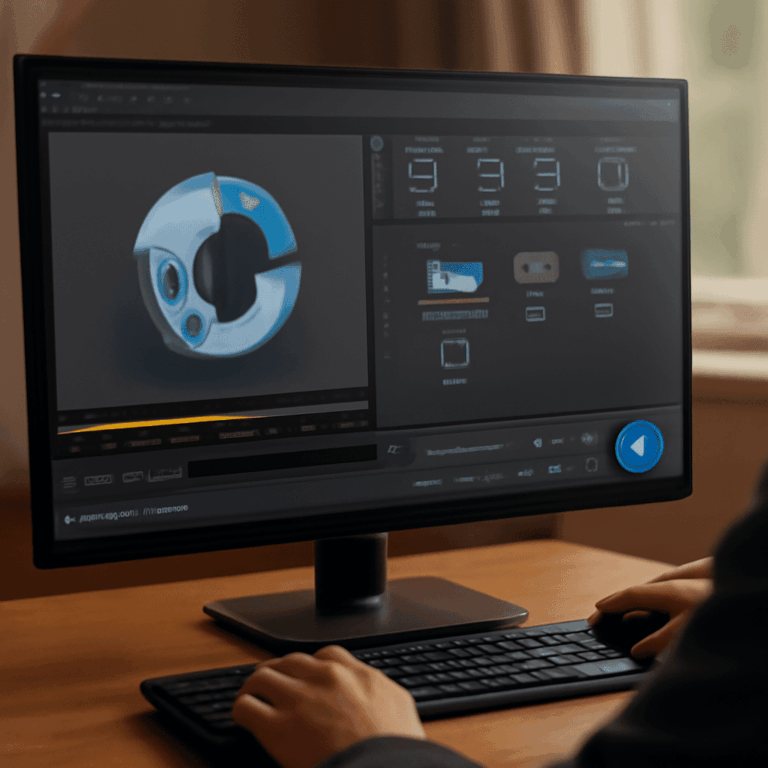




In an era where digital communication reigns supreme, the timeless art of Morse code remains a mysterious yet fascinating relic of the past. For enthusiasts and professionals seeking to bridge the gap between historical communication and modern technology, a Morse Code Audio Translator is the perfect solution. This tool simplifies the process of converting Morse code audio signals into readable text, offering a seamless way to demystify this unique form of communication.
By leveraging the power of a Morse Code Audio Decoder, you can effortlessly translate complex sequences of dots and dashes into meaningful messages. Whether you’re a media professional or a hobbyist, understanding how these tools work can significantly enhance your media experience. Dive into the world of Morse code audio decoding and discover how these innovative audio Morse code translators can transform your approach to media and communication.
Introduction to Morse Code Audio Decoding
What is Morse Code?
Morse code is a method of transmitting textual information using a series of on-off tones, lights, or clicks. Each character of the alphabet is represented by a unique sequence of dots (short marks) and dashes (long marks). Developed in the early 19th century for telegraphy, this system became a standard for maritime communication and is still used in various applications today.
Why Use a Morse Code Audio Decoder?
For those with a keen interest in historical communication methods or professionals in need of translation tools, a Morse Code Audio Decoder provides an invaluable resource. By converting Morse code audio into text, these devices offer a practical way to explore and utilize Morse code in a modern context. They cater to enthusiasts, historians, and media professionals looking to integrate Morse code into their work or hobbies effortlessly.
How Morse Code Audio Decoders Work
Technical Aspects
Behind the scenes, a Morse Code Audio Translator operates by analyzing the frequency and timing between sounds. Advanced algorithms detect the distinctive dots and dashes, translating them into corresponding letters and numbers. This real-time processing requires precise calibration to ensure accuracy, especially when dealing with varied audio quality and background noise.
Decoding Process
The decoding process involves capturing audio input, identifying the Morse code signals, and converting them into text. By breaking down sound waves into digital data, the Morse Code Audio Decoder isolates each signal for conversion. This process ensures that even the faintest of signals can be translated with high fidelity, making it a powerful tool for both novices and experts.
Choosing the Right Morse Code Audio Translator
Features to Consider
When selecting a Morse Code Audio Translator, consider factors such as ease of use, accuracy, and compatibility with your devices. Advanced features like noise reduction, customizable decoding speed, and the ability to handle multiple languages can enhance functionality. Prioritize tools that offer a user-friendly interface and robust support for troubleshooting and updates.
Top Tools in the Market
Several top-rated Morse code decoders are available that cater to different needs. Some popular options include the “M3 Translator,” known for its accuracy, and the “AudioMorse Pro,” which offers a comprehensive suite of features for audio analysis. Evaluating your specific requirements and testing various options can help you find the perfect Morse Code Audio Decoder for your projects.
Step-by-Step Guide to Using a Morse Code Audio Decoder
Preparing Your Audio
Before running your Morse Code Audio Translator, ensure that your audio is clear and free from excessive background noise. High-quality recordings improve the accuracy of the translation. If possible, use a direct audio cable connection to minimize interference, or enhance the audio with editing software for optimal results.
Running the Decoder
Once your audio is ready, load it into the Morse Code Audio Decoder. Most tools will automatically begin processing the input, but some may require you to adjust settings such as frequency range or speed. Follow on-screen prompts to configure these options and initiate the decoding process.
Interpreting Results
After processing, the Morse Code Audio Translator will display the translated text. Review the output for accuracy, and consider using additional software to further analyze or enhance the results. Understanding the nuances of Morse code can be challenging, but with practice, interpreting these messages becomes more intuitive.
Applications of Morse Code Audio Translators
Media Tools
In the media industry, integrating Morse code decoding can add an element of intrigue and authenticity. Filmmakers, podcast creators, and musicians can utilize these tools to incorporate secret messages or historical elements into their work. A Morse Code Audio Decoder allows for seamless integration of this classic communication method into modern media projects.
Photography and Film
For photographers and filmmakers, Morse code offers a unique storytelling device. By embedding Morse code into soundtracks or visual elements, creators can add layers of depth to their art. A Morse Code Audio Translator translates these elements into accessible narratives, enriching the audience’s experience.
Bottom line: A Morse Code Audio Decoder is more than just a tool—it’s a bridge to the past, allowing you to explore and revitalize the art of Morse code in the digital age. Whether for professional use or personal curiosity, these translators offer endless possibilities for creativity and communication.