

Labeling artwork can seem like a daunting task, especially when you’re unsure how to present your creations to the world effectively. However, mastering the art title format and understanding how to label art can make all the difference in capturing and holding your audience’s attention. With the right approach, you’ll not only enhance the appeal of your artwork but also ensure it communicates your intended message clearly.
This guide will take you through the essentials, from understanding the significance of labeling to practical steps for getting it right. By employing the correct art description format and learning how to label artwork correctly, you can create labels that will elevate your work’s presentation and value.
Understanding the Importance of Labeling Artwork
Why Labels Matter
Labels play a crucial role in the way your artwork is perceived. They provide context, meaning, and can even influence the way viewers interpret your work. By learning how to label art effectively, you ensure that first impressions leave a lasting impact.
Impact on Presentation
The presentation of your artwork is significantly enhanced when you use the correct art title format. A well-thought-out label can add a professional touch, making your piece stand out in galleries or exhibitions. It also helps potential buyers and art enthusiasts connect with your work on a deeper level.
How to Label Artwork Correctly
Essential Elements of a Label
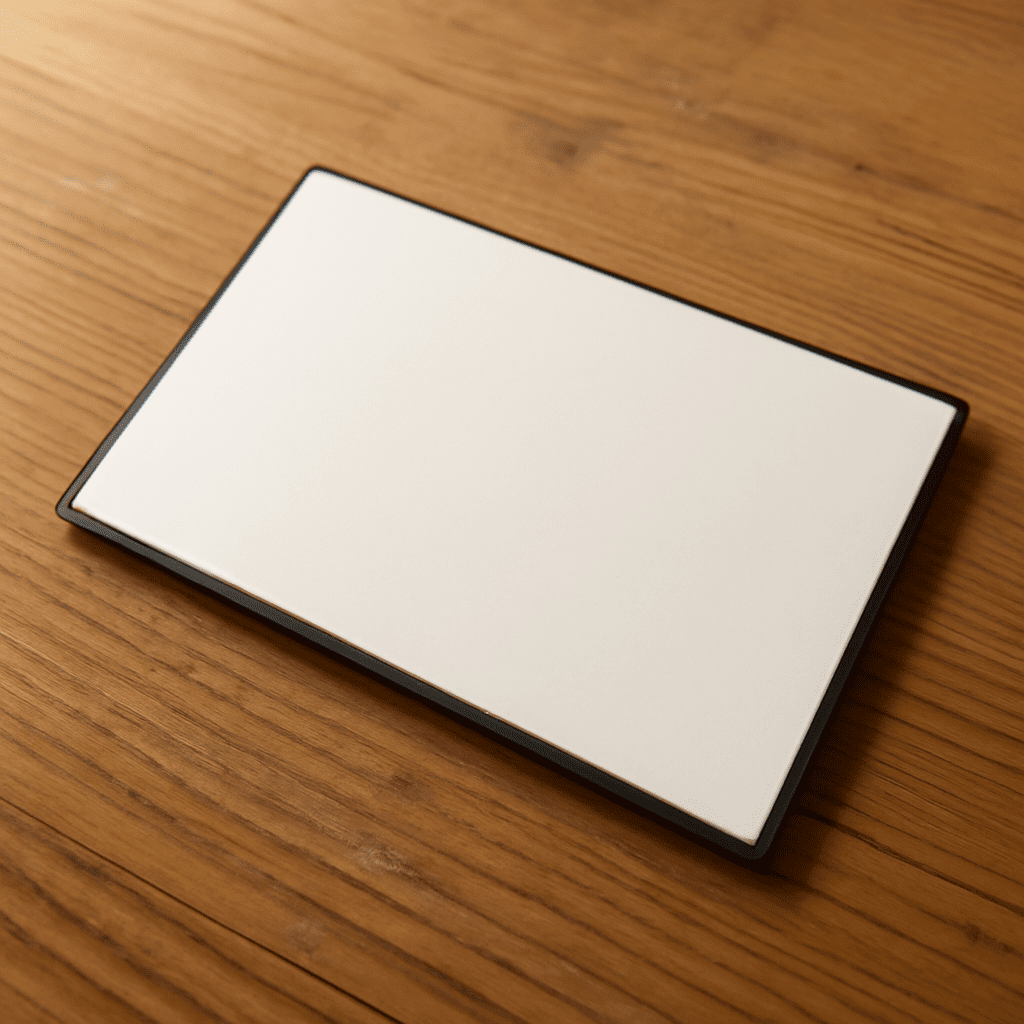
A proper label includes the artist’s name, the art title format, the medium used, and the dimensions of the piece. Each element of the label should be presented clearly and concisely to ensure that it provides all necessary information at a glance.
Common Mistakes to Avoid
Avoid overloading your label with unnecessary details. Too much information can overwhelm the viewer and detract from the artwork itself. Stick to the essentials, and ensure that you adhere to a consistent art description format to maintain clarity and cohesion.
Art Title Format: Getting It Right
Choosing the Perfect Title
The title of your artwork is the first step in communicating your piece’s essence. When deciding on a title, consider how it complements the visual elements of the artwork. A well-chosen title can intrigue viewers and invite them to explore your work further.
Formatting Tips
When formatting your title, capitalize major words, and use italics to emphasize the work’s uniqueness. Keep it brief yet descriptive, ensuring it captures the essence of your piece. Following a consistent art title format across all your works can help build your brand as an artist.
Creating a Compelling Art Description
Key Components
An effective art description provides insight into your creative process, the inspiration behind the work, and any relevant techniques or materials used. It’s your opportunity to engage with your audience on an intellectual and emotional level.
Art Description Format Examples
Incorporate a concise narrative that invites viewers to see the artwork from your perspective. Use evocative language to describe textures, colors, and feelings. This approach to the art description format helps in painting a vivid picture that complements the visual aspect.
Practical Tips for Labeling Your Art
Tools and Materials
Invest in high-quality labeling materials such as archival paper or card stock to ensure durability. Use clear, legible fonts and consider employing label makers or design software for a professional finish.
Step-by-Step Process
Start by gathering all necessary information for your label. Draft your text following the guidelines of effective art title and description formats. Proofread for accuracy and clarity, then print your labels using durable materials. Position the labels in a way that is easily visible but does not detract from the artwork itself.
Safety recap: If you’re using labeling tools or adhesives, ensure they are archival-safe and designed specifically for art presentation to prevent damage.