

Have you ever gazed at a piece of fabric and wondered about the magic behind its creation? If so, the art of Tunisian crochet might be just the thing for you. Unlike traditional crochet, Tunisian crochet offers a unique blend of knitting and crochet techniques, allowing you to explore a whole new dimension of crafting. In this guide, you’ll uncover everything from what is Tunisian crochet to mastering its distinctive Tunisian stitch. Armed with this knowledge, you will be well-equipped to tackle your first crochet Tunisian project.
What is Tunisian Crochet?
Understanding the Basics
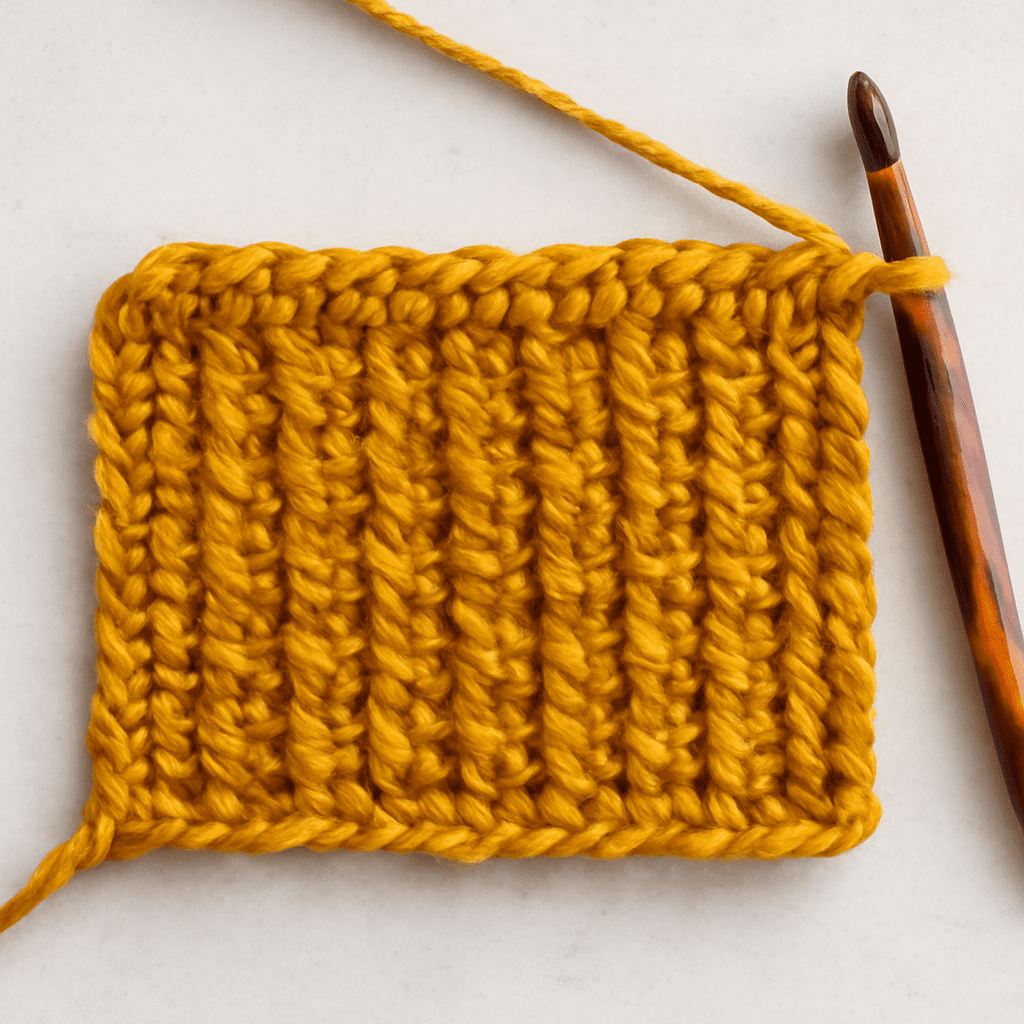
Tunisian crochet, also known as Afghan crochet, combines elements of both crochet and knitting, creating a firm, textured fabric. The key feature of this technique is the Tunisian stitch, which involves collecting loops on your hook in a forward pass and working them off in a reverse pass. This distinctive motion results in a thick, woven appearance distinct from traditional crochet.
History and Origins
The origins of Tunisian crochet are somewhat mysterious, but its roots can be traced back to the 19th century. It gained popularity in Europe as an alternative to knitting, with its versatility making it suitable for both garments and home décor items. Over the years, the technique has seen a resurgence among modern crafters looking to explore the unique textures it can create.
Tools and Materials for Tunisian Crochet
Essential Tools
Getting started with Tunisian crochet requires a few specialized tools. A Tunisian crochet hook, which is longer than traditional hooks, is essential. These hooks allow you to hold multiple loops simultaneously, facilitating the unique process of this craft. You may also consider investing in a set of interchangeable Tunisian hooks, which can be adaptable for various project sizes.
Choosing the Right Yarn
The choice of yarn significantly influences the outcome of your Tunisian crochet projects. Opt for yarns with a smooth texture for beginners, ensuring that your stitches are easily visible. Wool or acrylic blends are ideal for practicing as they offer a balance of elasticity and durability, perfect for mastering the techniques without frustration.
Mastering the Tunisian Stitch
Simple Tunisian Stitch Techniques
Begin your journey by learning the basic Tunisian stitch, also known as the Tunisian simple stitch (TSS). This foundational stitch is achieved by inserting the hook from right to left under the front vertical bar, pulling up a loop, and repeating across the row. As you become comfortable, you can experiment with variations like the Tunisian knit stitch, which mimics the appearance of knitted fabric.
Advanced Tunisian Stitch Patterns
Once you’ve mastered the basics, challenge yourself with more advanced stitches such as the Tunisian purl stitch or the Tunisian entrelac technique. These patterns build upon the simple stitch principles but introduce complexity and visual interest to your projects. With practice, you’ll be able to create intricate designs that showcase your growing proficiency in crochet Tunisian style.
Common Mistakes to Avoid in Tunesian Crochet
Beginner Mistakes
As with any craft, beginners in Tunisian crochet often face a few common pitfalls. One frequent issue is unintentionally increasing or decreasing stitches, which can alter the shape of your project. Pay close attention to the number of loops on your hook during each row to maintain consistency. Another mistake is neglecting to adjust your grip, leading to uneven tension.
Tips for Improvement
To improve your Tunisian crochet skills, practice consistently and critique your own work. Recording your projects and noting areas of difficulty can be incredibly helpful. Use a stitch marker to help track your progress and maintain the correct number of stitches. Additionally, joining a community of fellow enthusiasts can provide valuable insights and encouragement.
Inspiration for Your First Crochet Tunisian Project
Simple Project Ideas
When you feel ready to start your first Tunisian crochet project, consider simple items like dishcloths or scarves. These projects allow you to refine your techniques without overwhelming complexity. Choose a pattern that incorporates a variety of stitches to keep you engaged and motivated as you progress.
Resources for Learning More
To delve deeper into Tunisian crochet, explore online tutorials and join forums dedicated to this craft. Many experienced crafters share instructional videos and written guides that can expand your skill set. Books and workshops are also excellent resources for structured learning and connecting with other enthusiasts.
Next Steps: As you continue on your Tunisian crochet journey, embrace the learning process and the inevitable mistakes that come with it. Regular practice will hone your skills, and each completed project is a testament to your growing expertise. Keep challenging yourself with new patterns and techniques, and soon enough, you’ll be creating complex masterpieces with ease.