
The painting Whistler’s Mother stands as a paragon of artistic achievement, bridging the gap between tradition and modernity. Painted by James McNeill Whistler, it is more than just a portrait of his mother; it has transformed into a symbol of maternal strength and tranquility. Understanding who painted Whistler’s Mother and the circumstances surrounding its creation provides insight into its timeless allure. This article delves deep into the painting’s significance and uncovers why Whistler Mother remains a fixture in art history.
The Whistlers Mother painting serves not only as a reflection of personal emotion but also as an exploration of form and color. Through an analytical lens, one can appreciate the innovative techniques and symbolic undertones Whistler employed. Embarking on this journey, you will find the broader cultural and artistic implications that have cemented its place in history.
Introduction to Whistler’s Mother
The Significance of Whistler’s Mother
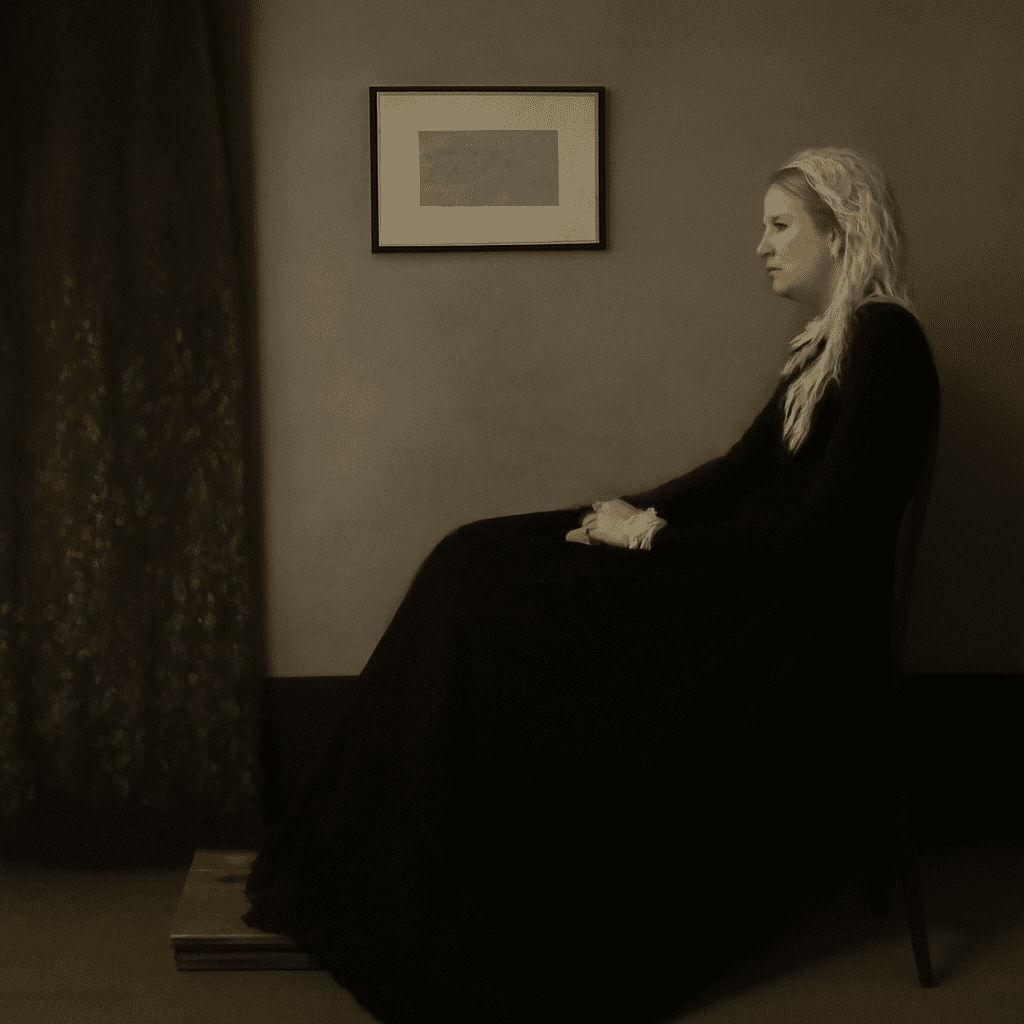
The painting, often referred to as the Whistler Mother painting, captivates audiences with its serene portrayal of Anna McNeill Whistler. Its simplicity and depth make it a hallmark of 19th-century art. The muted tones and balanced composition convey a sense of stillness, inviting viewers to ponder the relationship between artist and subject. This piece is more than a mere depiction; it is an emotional dialogue between the canvas and the observer.
Cultural Impact of the Painting
Beyond its aesthetic value, Whistler’s Mother has woven itself into the cultural fabric. It has appeared in films, literature, and even postage stamps, emphasizing its widespread influence. The painting speaks universally, transcending cultural boundaries and communicating the essence of familial bonds. Its presence in popular culture underscores its status as a cultural icon.
Who Painted Whistler’s Mother?
About the Artist: James McNeill Whistler
James McNeill Whistler, an American-born artist, was a pioneer in the art world, known for his innovative approaches and bold statements. Whistler’s dedication to his craft is evident in the precision and care with which he painted his mother. His artistry was characterized by a focus on harmony and balance, principles that are clearly demonstrated in Whistler’s Mother painting.
The Artistic Approach
Whistler’s approach to art was meticulous and considered, as seen in the Whistler Mother painting. He embraced a style that prioritized tonal harmony, where the relationship between colors and shapes was paramount. This technique is evident in the soft transitions and restrained palette of the painting, which contribute to its calming effect and timeless appeal.
Historical Context of Whistler’s Mother Painting
The Era and Its Influence
The creation of Whistler’s Mother occurred during a period of significant change and innovation in the art world. The late 19th century was marked by shifts towards realism and away from romanticism, reflecting societal changes and new philosophies. This environment fostered Whistler’s unique voice in art, allowing him to capture the essence of his subject with modern sensibilities.
Artistic Movements of the Time
Whistler’s work was heavily influenced by the prevailing artistic movements of his time, including realism and impressionism. These movements emphasized the importance of capturing everyday life and the beauty found within it. Whistler Mother stands as a testament to these ideals, offering a realistic yet deeply personal portrayal that resonates with audiences even today.
Analyzing Whistler’s Mother Painting
Artistic Techniques Used
The Whistler Mother painting showcases advanced techniques that highlight Whistler’s mastery over form and composition. His use of color harmony and subtle gradations creates a compelling visual narrative. The deliberate placement of elements within the painting illustrates his understanding of spacial relationships, drawing the viewer’s eye across the canvas in a natural flow.
Symbolism and Interpretation
The symbolism within Whistler’s Mother is both potent and open to interpretation. The austere setting and somber tones convey themes of dignity, resilience, and maternal devotion. These elements combine to offer a richly layered narrative that invites viewers to interpret the painting through their own emotional lens, making it a deeply personal experience.
Legacy of Whistler’s Mother
Influence on Modern Art
The influence of Whistler Mother on modern art is profound. It has inspired countless artists to explore themes of domesticity and personal relationships in their work. Its understated elegance and profound emotional depth continue to inspire and challenge perceptions of what art can represent.
Preservation and Exhibitions
The enduring legacy of Whistler’s Mother is maintained through careful preservation and its presence in prestigious exhibitions worldwide. The painting’s ability to draw crowds and its critical acclaim reinforce its status as a masterpiece. Its continued display in galleries across the globe ensures that its impact will endure for generations to come.
Bottom line: Whistler’s Mother is more than a painting; it is an enduring reflection of familial love and artistic innovation. By exploring its history and impact, you gain a deeper appreciation for its place in art history and its ongoing cultural significance.