
In the world of art, where styles come and go, Rococo painting stands out as a vivid tapestry of elegance and charm. Originating in the early 18th century, this movement is celebrated for its elaborate details and graceful compositions. If you’ve ever marveled at the light, playful themes of famous Rococo paintings, you’re not alone. The intricate ornamentation of Rococo portraits and artwork beckons enthusiasts to explore deeper into its whimsical yet sophisticated allure. With a focus on opulence and fluidity, Rococo paintings continue to enchant viewers, offering a glimpse into a world of beauty and grace.
The Origins of Rococo Painting
Historical Background The Rococo movement emerged in France during the reign of Louis XV, a time marked by opulence and a shift from the grandiose style of Baroque. As a reaction to the rigidity of its predecessor, Rococo embraced a more intimate and light-hearted approach. Noble patrons sought art that reflected their leisurely lifestyle, leading to the creation of works that were both ornate and playful. Understanding the historical context of Rococo painting helps you appreciate its delicate balance of elegance and whimsy.
Key Influences
Influenced by the decorative arts and architecture of the period, Rococo paintings often feature asymmetrical designs, pastel colors, and intricate details. Artists drew inspiration from nature, incorporating floral motifs and curvilinear forms that mirrored the burgeoning appreciation for the natural world. In your exploration of Rococo artwork, you’ll notice the influence of these elements, which contribute to the movement’s distinctive style.
Defining Characteristics of Rococo Paintings
Light Colors and Playful Themes
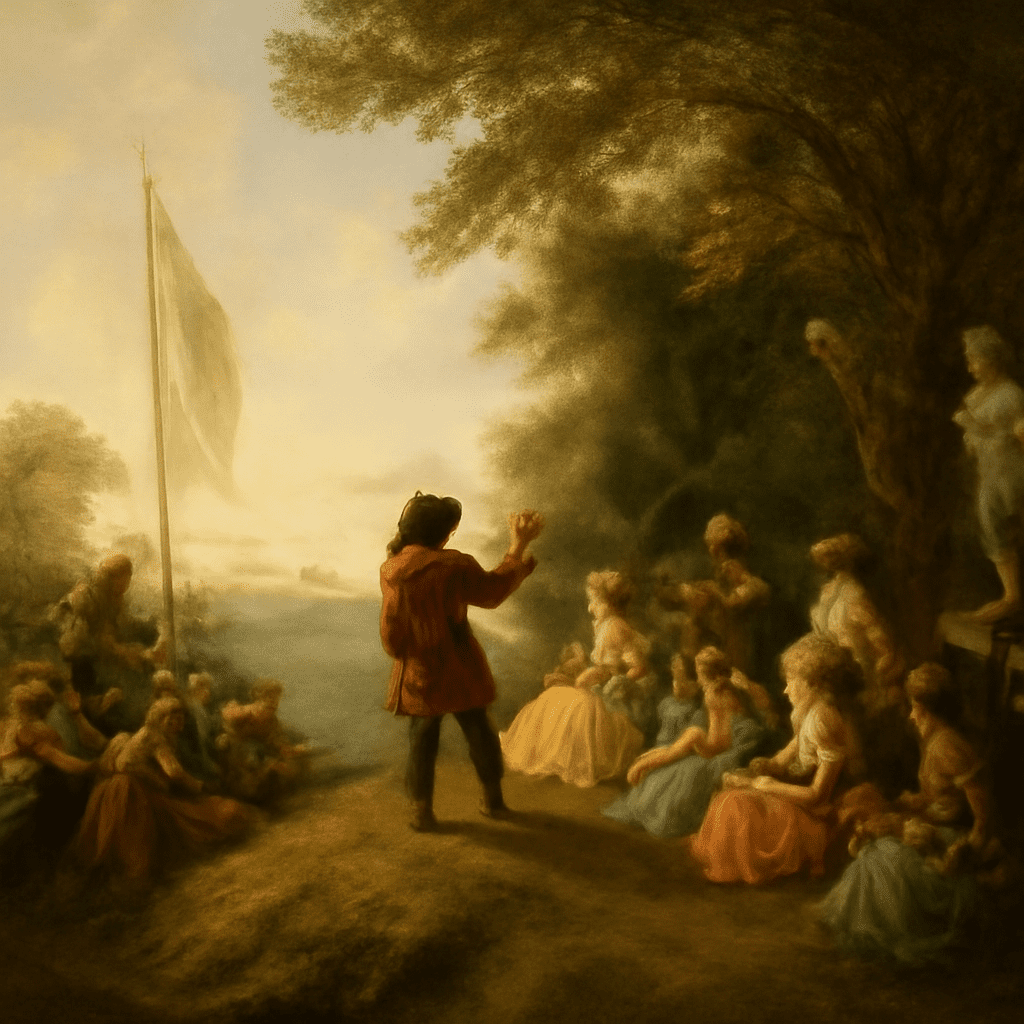
Characterized by its use of soft, pastel hues, Rococo painting conveys a sense of lightness and joy. The playful themes often depict scenes of love, mythological tales, and pastoral landscapes. As you study these works, pay attention to how the color palette and subject matter create a dreamlike atmosphere, inviting you into a world of elegance and fantasy.
Intricate Ornamentation
The hallmark of Rococo paintings is their elaborate decoration, which often includes detailed patterns and luxurious textures. Artists employed techniques that add depth and richness to their compositions, making each piece a feast for the eyes. By appreciating the intricate ornamentation in Rococo artworks, you gain a deeper understanding of the craftsmanship and creativity that define this artistic movement.
Famous Rococo Paintings and Their Artists
Notable Works
Among the most famous Rococo paintings are those by Jean-Honoré Fragonard and François Boucher. Fragonard’s “The Swing” exemplifies the movement’s playful elegance, while Boucher’s “Triumph of Venus” showcases its ornate beauty. As you explore these masterpieces, observe how they capture the essence of Rococo through their dynamic compositions and enchanting themes.
Influential Artists
Rococo’s influential artists include not only Fragonard and Boucher but also Antoine Watteau, whose work laid the foundation for the style. Watteau’s “Pilgrimage to Cythera” is a quintessential example of Rococo’s delicate charm. By studying these artists and their contributions, you gain insight into the creative forces that shaped the Rococo era.
Exploring Rococo Portraits
Portraits in the Rococo Style
Rococo portraits often capture the essence of their subjects with a blend of realism and fanciful embellishment. The soft brushstrokes and gentle color transitions create a sense of intimacy and grace. When engaging with these portraits, note the attention to detail and how each piece conveys the personality and status of the sitter.
Famous Portrait Artists
Noteworthy portrait artists of the Rococo period include Élisabeth Vigée Le Brun and Maurice Quentin de La Tour. Le Brun’s portraits of Marie Antoinette are celebrated for their elegance and sophistication, while La Tour’s pastels bring a vibrant realism to his subjects. By examining the work of these artists, you can appreciate the skill and creativity involved in crafting Rococo portraits.
The Enduring Legacy of Rococo Artwork
Impact on Modern Art
Though the Rococo style declined by the late 18th century, its influence persists in modern art. The movement’s emphasis on beauty and ornamentation can be seen in contemporary design and illustration. As you explore modern artworks, consider how Rococo’s legacy of elegance and grace continues to inspire artists today.
Rococo in Contemporary Design
Rococo’s ornate style has found a place in modern interior design and fashion, where its decorative elements are often reimagined. The use of pastel colors, intricate patterns, and luxurious materials in contemporary settings reflects the ongoing appreciation for Rococo’s aesthetic. When you encounter these modern adaptations, recognize the enduring appeal of Rococo’s artistic principles.
Safety recap: If you are inspired to create your own Rococo-style artwork, remember to handle art supplies carefully. Use proper ventilation when working with paints and keep your creative space tidy to prevent accidents. Respecting color care and tool safety will ensure a joyful and productive artistic journey.