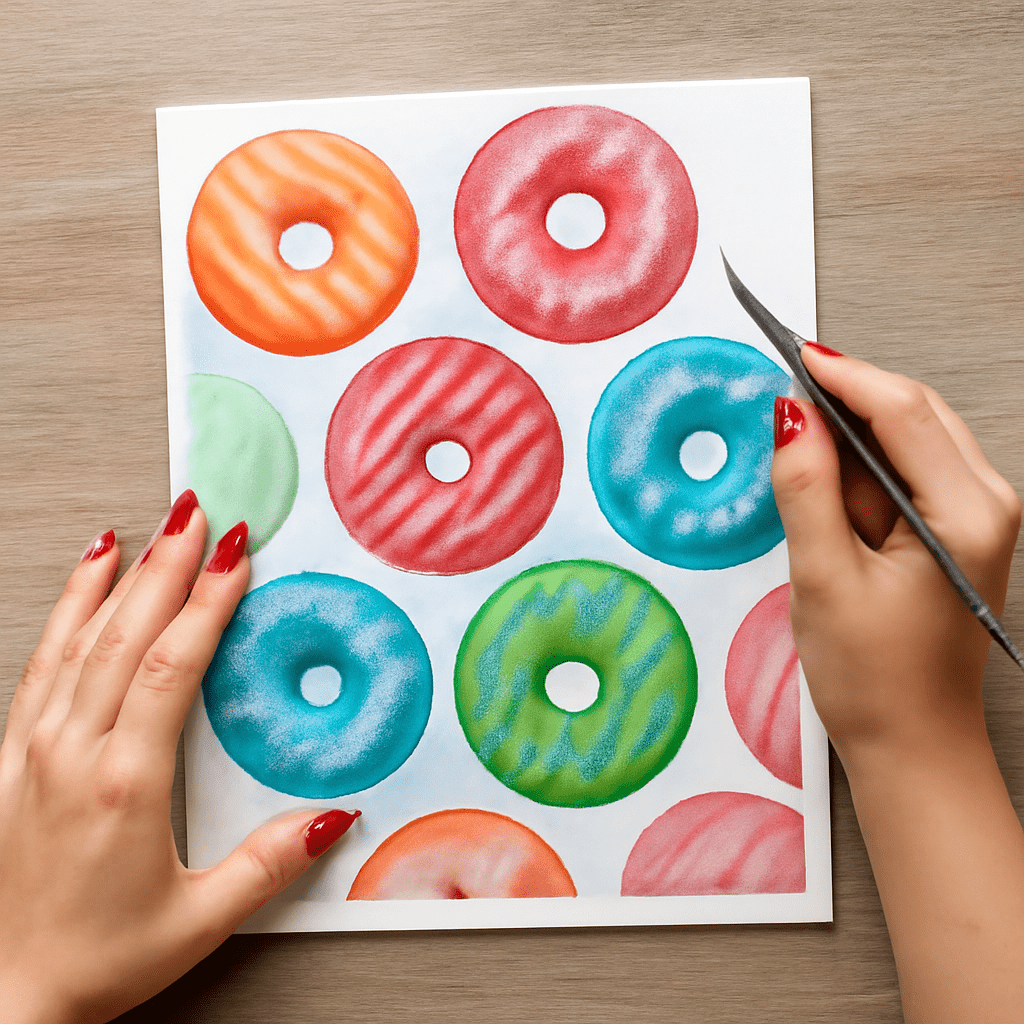
Painting watercolor techniques are a gateway to vibrant and dynamic art. With the right approach, you can transform a blank canvas into a stunning watercolor masterpiece. The key lies in mastering both the basics and advanced techniques while drawing inspiration from various sources. Whether you’re just starting out or looking to refine your skills, exploring these methods can lead to breathtaking results in your watercolor endeavors.
Finding Your Watercolor Inspiration
Inspiration fuels creativity, especially when painting with watercolor. Start by observing the world around you—nature, architecture, or even everyday objects can spark ideas. Immerse yourself in art books, online galleries, and watercolor workshops to expand your perspective. Sometimes, inspiration can strike from a color palette that resonates with your emotions or a particular style that grabs your attention. Keep a sketchbook handy to jot down these flashes of inspiration and flesh them out when you’re ready to paint.
Essential Tools for Painting Watercolor
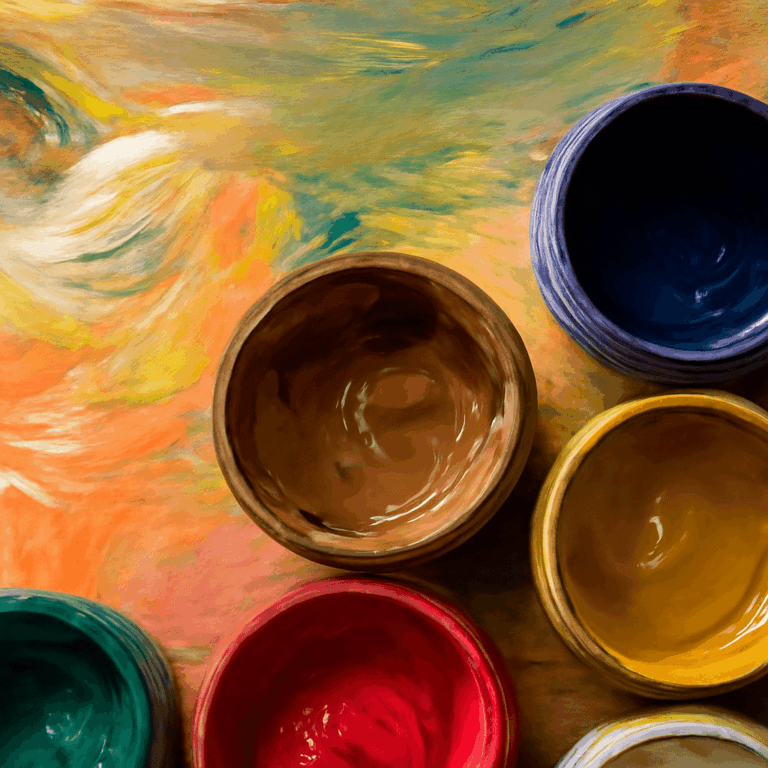
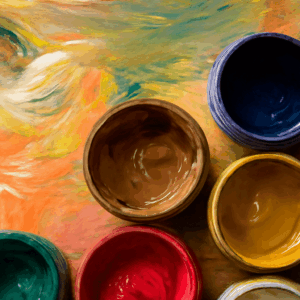
Having the right tools is crucial when you set out to paint with watercolors. Start with a set of quality watercolors, preferably artist-grade, to ensure vibrant pigments. You’ll also need the right brushes—round brushes are versatile, while flat ones are perfect for large washes. Invest in good watercolor paper, which is essential for proper absorption and texture. A mixing palette, masking tape, and a few jars of water will complete your setup, allowing you to experiment with various techniques.
Basic Techniques for Painting with Watercolors
Mastering basic techniques is the foundation of painting watercolor art. Begin with the wet-on-wet technique, which involves applying wet paint onto a wet surface. This method creates soft, fluid effects ideal for skies or water scenes. Next, try wet-on-dry, where you apply wet paint to dry paper for sharper, more controlled lines. Practice glazing, which involves layering transparent colors over dry layers to build depth. Get comfortable with these basic approaches, as they are pivotal to all your watercolor work.
Advanced Techniques to Elevate Your Watercolor Art
Once you’re confident with the fundamentals, advanced techniques can take your watercolor painting to new heights. Explore negative painting, where you paint around an object to make it stand out. This approach adds a sense of depth and focus to your artwork. Experiment with lifting, which involves removing paint using a damp brush to create highlights and textures. Incorporating mixed media, such as ink or gouache, can add contrast and interest to your paintings, pushing creative boundaries further.
Troubleshooting Common Watercolor Challenges
Every artist encounters challenges, especially when painting watercolor art. One common issue is overworking a piece, which can lead to muddiness. To avoid this, plan your layers carefully and know when to stop. If your colors bleed uncontrollably, it might be due to too much water; practice controlling your water ratio. Unwanted hard edges can be softened by reactivating the area with a clean, damp brush. Learning to troubleshoot and adapt is part of growing your skills and achieving the beautiful results you envision.
Next steps: Now that you’ve explored these techniques and tips, continue practicing consistently. Dedicate regular time to painting, experiment fearlessly with new ideas, and always seek inspiration. As you refine your craft, remember that your journey in watercolor art is as beautiful as the artworks you create.