
Leonardo da Vinci’s famous works have captivated audiences for centuries, leaving an indelible mark on the world of art. When you think of masterpieces by da Vinci, his most renowned painting invariably comes to mind. It’s not just about aesthetics; these artworks are a window into the mind of a genius. Exploring da Vinci’s famous works is not just an art lesson, but a journey through human history and innovation.
Solutions to understanding the complexities and allure of these creations lie in delving deeper into the context of their creation. By studying each piece, you gain insights into the intricate techniques and bold ideas that da Vinci infused into his art. This exploration not only enriches your appreciation of da Vinci’s famous works but also enhances your understanding of art in general.
Introduction to Leonardo da Vinci’s Artistic Legacy
The Influence of da Vinci’s Works
Leonardo da Vinci’s influence on the art world is profound and far-reaching. His innovative approach to painting, characterized by subtle yet powerful techniques, set a standard for future generations. You can see this influence in the works of countless artists who followed in his footsteps, drawing inspiration from his use of perspective, anatomy, and composition.
Why Study da Vinci Famous Works?
Studying da Vinci famous works offers a wealth of knowledge not only about art but about history, science, and observation. His meticulous attention to detail and groundbreaking methods of capturing the human experience remain unparalleled. When you delve into da Vinci’s famous works, you’re not just learning about art; you engage with the thoughts of a pioneer who shaped multiple fields.
Leonardo da Vinci’s Most Famous Painting
The Mona Lisa: A Masterpiece
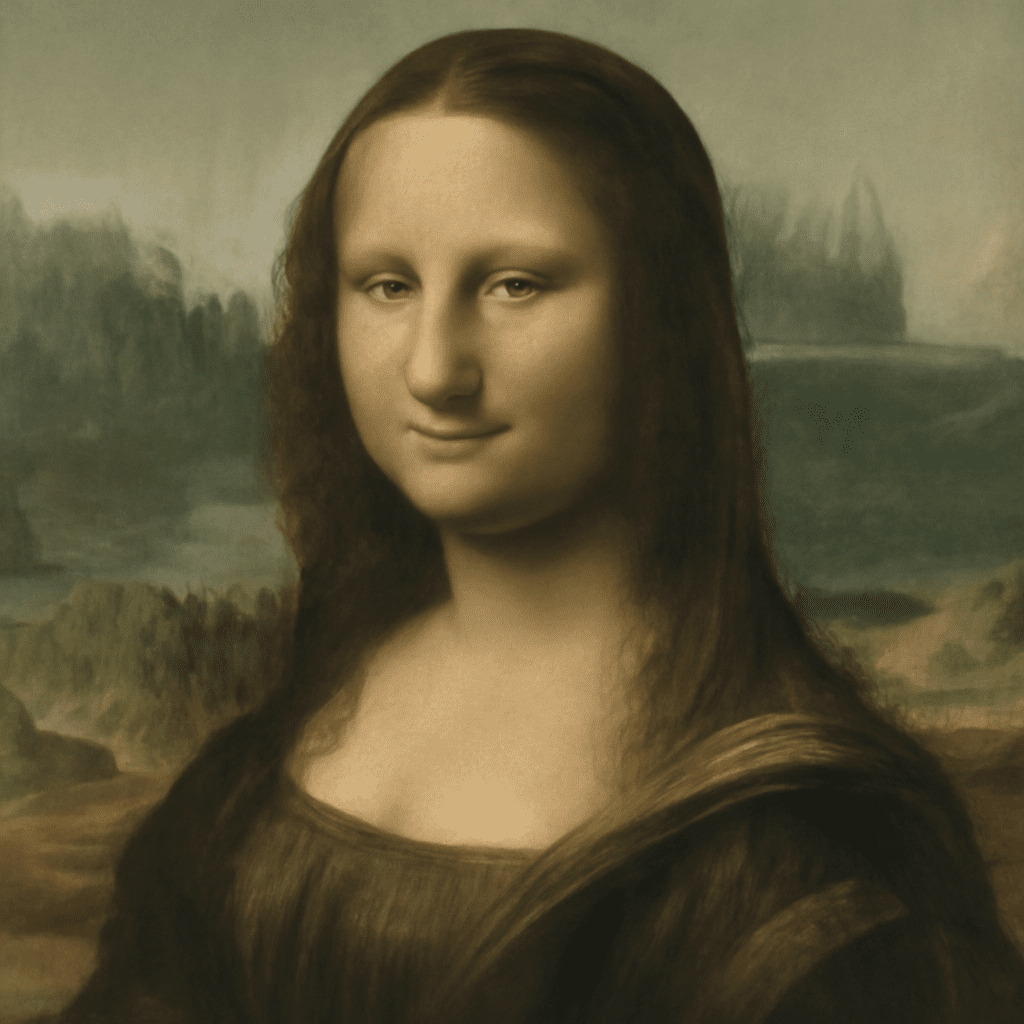
The Mona Lisa stands as Leonardo da Vinci’s most famous painting and is celebrated worldwide for its enigmatic expression. Painted between 1503 and 1506, this piece exemplifies da Vinci’s expertise in sfumato—a technique that creates a soft transition between colors. As you examine this artwork, you notice the intricate details that bring the subject to life.
Why the Mona Lisa Captivates Audiences
What captivates audiences about the Mona Lisa is not just her mysterious smile, but the depth of emotion that seems to flicker across her face. This painting invites you to ponder its hidden meanings and the identity of its subject. Each viewing of this masterpiece unveils new details, drawing you into a timeless dance of interpretation and mystery.
Exploring Leonardo da Vinci Famous Works
The Last Supper: A Revolutionary Piece
The Last Supper, another of Leonardo da Vinci famous works, revolutionized artistic composition. Completed in the late 15th century, this mural depicts Jesus and his disciples during a pivotal moment. The dynamic arrangement and emotional depth of each figure offer a study in human emotion, inviting you to feel the tension and drama unfolding.
Vitruvian Man: Bridging Art and Science
Vitruvian Man exemplifies the convergence of art and science in da Vinci’s oeuvre. This drawing explores the proportions of the human body through a blend of artistic skill and scientific inquiry. When you explore this work, it reveals how da Vinci’s famous works often straddled disciplines, pushing the boundaries of what art could achieve.
The Annunciation: Early Mastery
The Annunciation is an early testament to da Vinci’s mastery of technique and composition. Painted in the mid-1470s, this piece reflects his keen observation and use of perspective. By studying this painting, you witness the early development of the techniques that would define Leonardo da Vinci’s famous works in later years.
Lesser-Known Works by Leonardo da Vinci
St. John the Baptist: A Hidden Gem
St. John the Baptist, while not as renowned as other pieces, is a hidden gem among da Vinci’s portfolio. Painted in the latter part of his career, it captures the essence of spirituality and introspection. You appreciate the nuanced play of light and shadow that highlights da Vinci’s continued evolution as an artist.
The Adoration of the Magi: An Unfinished Marvel
The Adoration of the Magi remains an unfinished marvel that offers a glimpse into da Vinci’s creative process. Begun in 1481, this piece reveals the intricate groundwork of an ambitious composition. As you examine it, the dynamic figures and complex arrangement showcase the bold ideas that characterized da Vinci famous works.
The Lasting Impact of Da Vinci’s Works
Da Vinci’s Influence on Modern Art
Da Vinci’s influence on modern art is undeniable. His techniques and ideas continue to inspire artists who seek to push boundaries and explore new realms of creativity. As you delve into da Vinci’s famous works, you see the seeds of innovation that have sprouted in contemporary masterpieces.
Preservation of His Artworks
The preservation of da Vinci’s artworks is crucial to maintaining their impact on the world. Efforts to protect these masterpieces ensure that future generations can appreciate and learn from them. By supporting these initiatives, you contribute to the enduring legacy of Leonardo da Vinci’s famous works.
Pro tips recap: To truly appreciate Leonardo da Vinci’s famous works, immerse yourself in the context and techniques behind them. Explore the details that make each piece unique and engage with the stories they tell. Finally, support preservation efforts to ensure that da Vinci’s artistic legacy continues to inspire for generations to come.