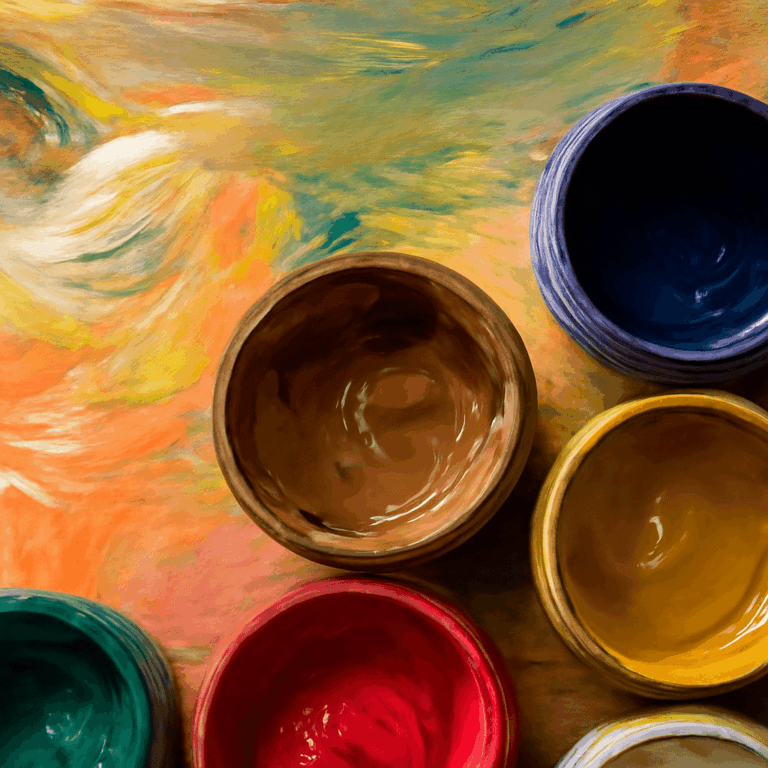


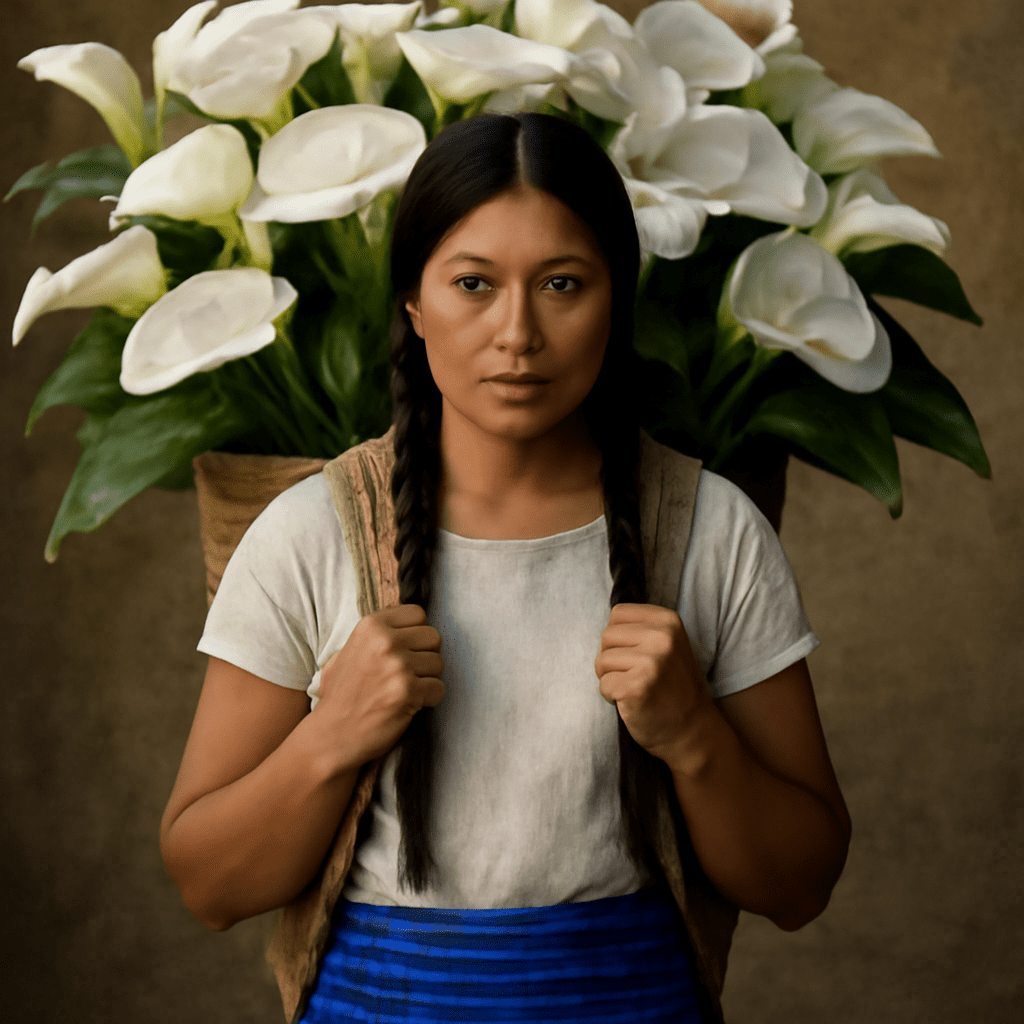
Mexican art is a vibrant tapestry woven with the threads of history, culture, and creativity. It envelops you in its colorful embrace, offering a gateway into Mexico’s diverse art styles. From ancient murals to contemporary masterpieces, you find yourself drawn into a world where each brushstroke tells a story. Mexican paintings are not merely pictures on a canvas; they are a celebration of life, a reflection of the nation’s soul, and an exploration of its heritage.
As you delve deeper into the realm of Mexican arts, you’ll discover the uniqueness that defines them. Each piece carries the unmistakable imprint of its creator’s vision, yet together, they echo the collective narrative of Mexico. These famous Hispanic paintings are more than works of art; they are historical records, cultural artifacts, and personal expressions that offer insight into the richness of Mexican life. Journey with us as we explore the essence, styles, and significance of Mexican art.
Understanding the Essence of Mexican Art
Historical Influences on Mexican Art
The evolution of Mexican art is deeply intertwined with the nation’s rich history. You can see Aztec and Mayan influences that continue to inspire Mexican paintings today. These ancient cultures left behind a legacy of intricate designs and symbols that artists incorporate into their work. As you examine these elements, consider how colonial influences shaped art styles, introducing new techniques and themes.
From the Spanish conquest to the Mexican Revolution, each period left its mark on the canvas, telling stories of struggle, resilience, and triumph. You find artists using these historical motifs to explore identity, freedom, and change. Mexican arts are a melting pot of indigenous and European aesthetics, creating a unique visual language that speaks to the country’s diverse heritage.
Cultural Elements in Mexican Paintings
Cultural identity is a cornerstone of Mexican art. When you look at Mexican paintings, you see a celebration of tradition and community. Vibrant colors, patterns, and motifs are not just artistic choices; they are cultural expressions. You can sense the pride in indigenous roots and the importance of family and community.
These works often depict everyday life, festivities, and rituals, offering a glimpse into the Mexican way of life. Artists draw inspiration from folklore, religion, and social issues, using their canvas as a platform for dialogue and reflection. When you engage with Mexican arts, you connect with the stories and struggles of its people, understanding what truly matters to them.
Diverse Mexican Art Styles
Traditional Mexican Art Styles
Traditional Mexican art styles showcase the beauty of folk art and indigenous craftsmanship. You might encounter folk paintings that feature vivid colors and dynamic imagery. These pieces often incorporate techniques passed down through generations, preserving cultural heritage in every stroke.
Murals are another vital aspect of traditional Mexican art. In these large-scale works, artists convey critical historical narratives and societal issues. You can see how murals serve as educational tools and symbols of resistance, capturing the essence of Mexican arts in public spaces.
Modern Mexican Art Movements
As you explore modern Mexican art movements, you’ll notice a shift towards abstraction and experimentation. Contemporary artists challenge conventions, blending traditional motifs with new methodologies. This fusion creates a fresh dialogue between the past and present.
You find modern Mexican paintings that explore themes of identity, migration, and globalization, reflecting the complex dynamics of today’s society. Artists use various media to express their visions, from digital art to installations, expanding the boundaries of Mexican arts.
Renowned Mexican Paintings and Artists
Famous Hispanic Paintings and Their Impact
Famous Hispanic paintings have left an indelible mark on the art world. Works by Diego Rivera, Frida Kahlo, and José Clemente Orozco have captivated audiences worldwide, showcasing the depth and diversity of Mexican arts. You can see how their paintings convey powerful messages of political and social commentary.
These artists used their craft to challenge societal norms and advocate for change, making waves far beyond Mexico. You might recognize iconic images like Kahlo’s self-portraits or Rivera’s murals, each telling a poignant story that resonates across cultures.
Notable Mexican Artists
Notable Mexican artists have played a significant role in shaping the country’s artistic landscape. You will find artists such as Rufino Tamayo and David Alfaro Siqueiros who have contributed to the evolution of Mexican art. Their innovative approaches and distinct styles have pushed boundaries while preserving cultural essence.
As you explore their work, notice how each artist brings something unique to Mexican arts, blending traditional and modern aesthetics. They influence new generations, inspiring them to explore and redefine what it means to create art in Mexico.
Why Mexican Arts Matter Today
Global Influence of Mexican Art
Mexican art has made a significant impact on the global stage, influencing artists and audiences worldwide. When you look at the vibrant colors and dynamic themes of Mexican paintings, you see echoes of its influence in international art scenes.
Art festivals and exhibitions celebrate Mexican arts, showcasing their universal appeal and cultural significance. This global appreciation enriches and diversifies artistic conversations, bridging gaps between cultures.
Preserving Mexican Art for Future Generations
The preservation of Mexican art is vital for keeping its rich history alive. You can support initiatives that protect and promote these works, ensuring that future generations can experience the beauty and complexity of Mexican arts.
Efforts to educate and engage communities play a crucial role in maintaining this cultural legacy. By exploring and appreciating Mexican paintings, you contribute to a broader understanding of their importance and influence.
Bottom line: Mexican art is more than an aesthetic experience; it’s a profound cultural journey. As you engage with its diverse styles and stories, you gain insights into Mexico’s rich heritage and its influence on the world. Celebrate and preserve these vibrant expressions, ensuring their legacy endures for generations to come.