Creating the perfect paper airplane can be an exciting challenge, whether you’re a beginner or a seasoned enthusiast. The best paper airplane design often eludes many due to the sheer number of styles and techniques available. However, with clear instructions and a few tips, anyone can master the art of folding paper airplanes. This guide will provide paper airplane instructions that are easy to follow, ensuring you get the most out of your flight sessions.
Introduction to the Best Paper Airplane Designs
The quest for the best paper airplane design starts with understanding the fundamentals of aerodynamics and using the right materials. By following the right paper airplane instructions, you can create models that glide smoothly and fly further. This guide will introduce you to various designs, helping you choose the best one for your needs.
What You’ll Need to Get Started
Before diving into the intricate world of paper airplane designs, ensure you have the following essentials:
- A4 or Letter-size paper: These are typically the best options for folding.
- A flat, clean surface: Essential for making precise folds.
- Patience and creativity: Essential ingredients for mastering any design.
Step-by-Step Paper Airplane Instructions
Choosing the Right Paper
Selecting the appropriate paper is crucial. While regular printer paper works well for most designs, consider experimenting with lighter or heavier stock to see how it affects flight dynamics. The weight and stiffness of the paper can significantly influence the performance of your plane.
Basic Folding Techniques
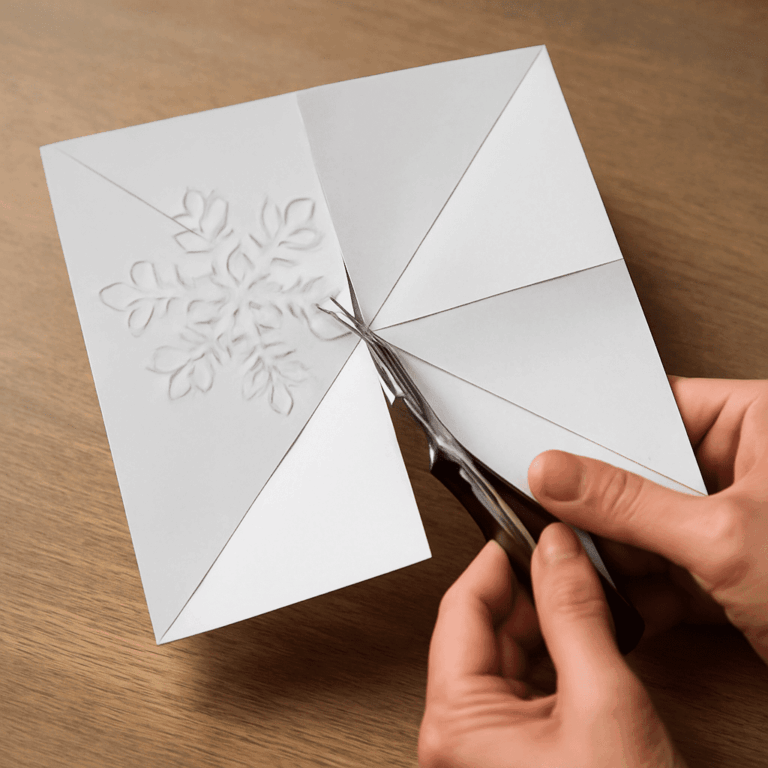
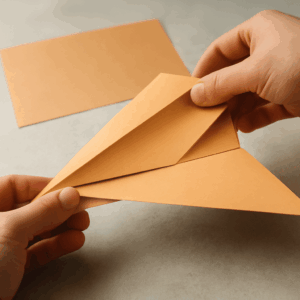
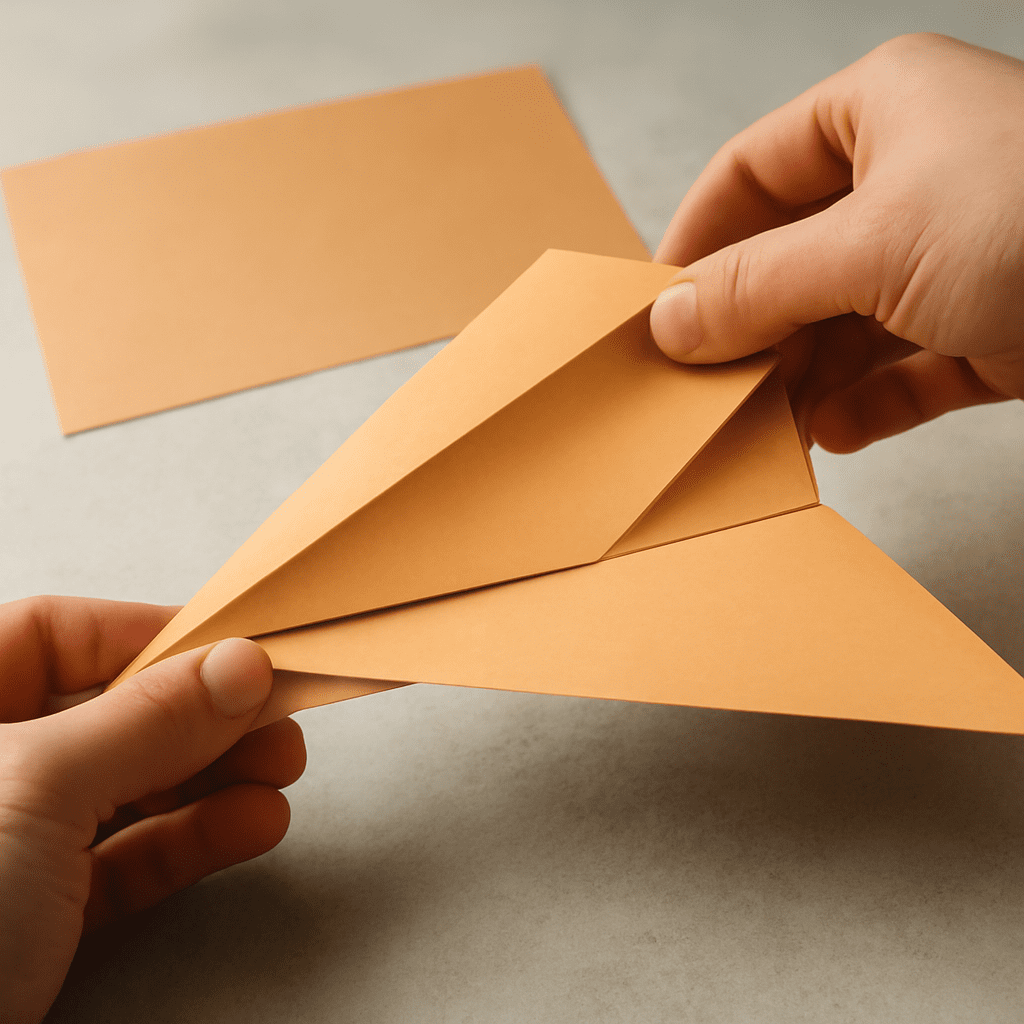
Understanding basic folding techniques is key to creating a well-balanced airplane. Ensure each crease is sharp and accurate, as this precision directly impacts your paper airplane’s flight path. Practice making symmetrical folds to maintain balance and stability during flight.
Exploring the Best Paper Airplane Design
Among the many designs, the dart model stands out due to its speed and distance capabilities. However, if you’re looking for more stability, the glider might be your best bet. Both designs have unique folding patterns, catering to different flying conditions.
Experiment with various designs to understand their strengths and weaknesses. Some models excel in windy conditions, while others are ideal for indoor flights. Knowing these nuances can help you choose the best paper airplane design for your needs.
Tips for Perfecting Your Paper Airplanes
Fine-tuning your paper airplanes can greatly enhance their performance. Here are some tips:
- Adjust the wings: Slightly bending the wings up or down can help stabilize the flight.
- Balance the weight: Consider adding small weights, like paperclips, to the nose for better aerodynamics.
- Test different environments: Try flying your planes in various settings to see how they perform under different conditions.
How to Fold Paper Airplanes Like a Pro
To fold paper airplanes like a pro, start by mastering the basics and then gradually move to more complex designs. Practice consistently, and don’t be afraid to tweak designs to enhance performance. Joining online forums or groups can also provide new insights and techniques to refine your skills.
Consistency and experimentation are your best allies. Keep refining your technique, and soon you’ll be able to fold paper airplanes with precision and skill.
Key takeaways: Mastering the art of paper airplanes requires the right materials, precise folds, and a willingness to experiment. Follow clear instructions, understand basic aerodynamics, and always be ready to tweak your designs for optimal performance.