
Sad jester paintings have captivated art enthusiasts for centuries, drawing them into a world of complex emotions and vibrant colors. The enigmatic nature of these artworks, particularly the renowned Stanczyk painting, eloquently captures the essence of melancholy. As you delve deeper into the realm of these sad jester paintings, you’ll discover a rich tapestry of symbolism and history that continues to intrigue and inspire.
These artworks often portray jesters, traditionally seen as figures of joy and laughter, in moments of profound sadness. The juxtaposition creates an emotional depth that resonates with viewers, prompting reflection and analysis. By exploring the legacy of Stanczyk paintings and understanding the symbolism behind sad jesters, you embark on a journey into a fascinating niche of art history, influencing modern art and providing insight into unique artistic techniques.
Introduction to Sad Jester Paintings
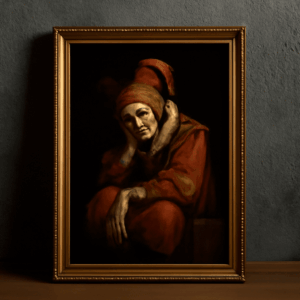
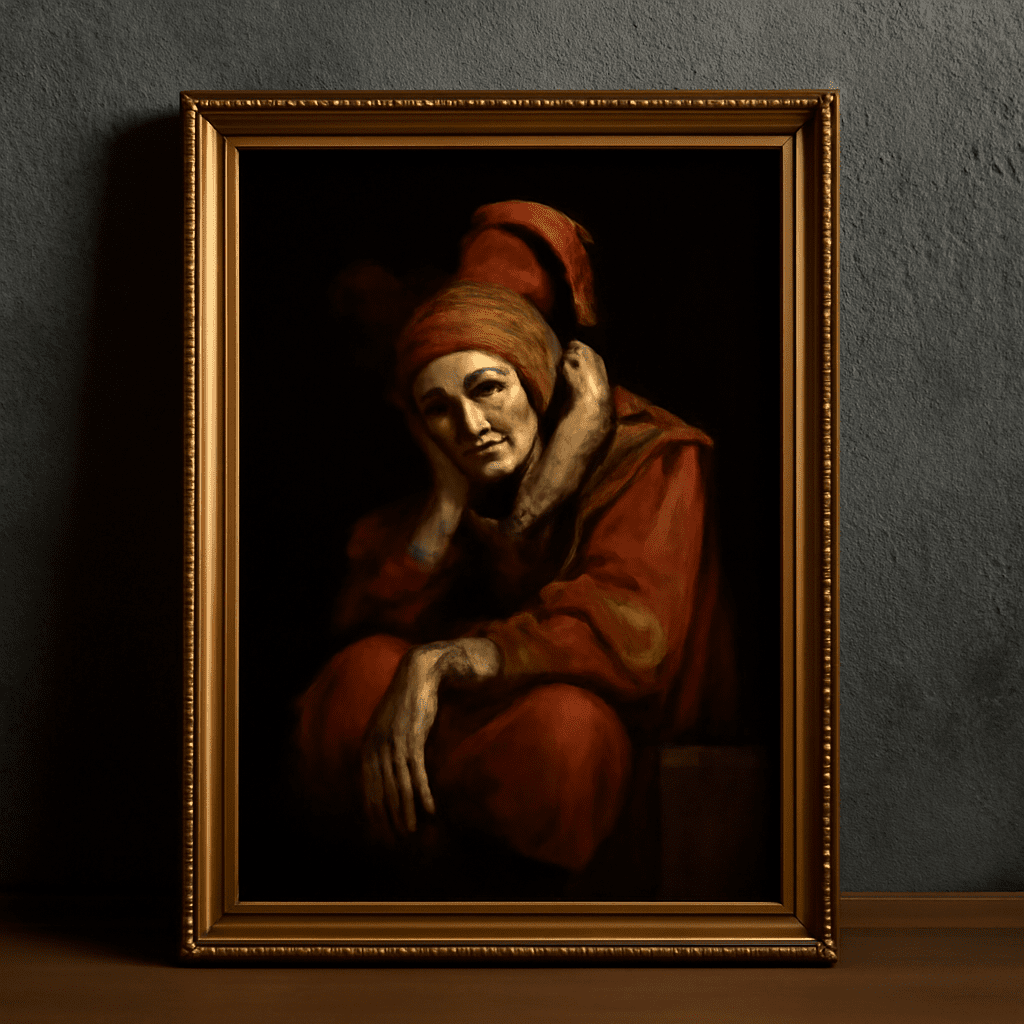
Sad jester paintings are a distinctive genre within the world of art that challenges traditional notions of what clowns and jesters represent. These artworks often depict jesters in moments of deep contemplation or sorrow, turning the expected cheerfulness on its head. The Stanczyk painting, a masterpiece of this genre, exemplifies the nuanced portrayal of a jester caught in a moment of despair. As you explore these paintings, you uncover layers of emotion and a profound commentary on human experience.
The Legacy of Stanczyk Paintings
The Stanczyk painting stands as a monumental piece within the sad jester genre, revered for its ability to convey the rich emotional tapestry of its subject. Created by Polish artist Jan Matejko in 1862, this piece immortalizes the historical figure of Stanczyk, a famous jester in the court of King Sigismund I of Poland. Known for his sharp wit and political insight, Stanczyk is depicted in a moment of deep reflection, his face conveying complex emotions that resonate with viewers even today.
As you analyze this iconic sad jester painting, you appreciate how it captures not only the personal melancholy of Stanczyk but also broader themes of human vulnerability and introspection. The legacy of this painting lies in its ability to transcend cultural boundaries, inviting audiences to ponder the duality of human nature.
Understanding the Symbolism Behind Sad Jesters
Sad jesters are potent symbols in art, representing the tension between outward appearances and internal realities. The Stanczyk painting, like many others in this genre, uses the jester’s paradoxical role to explore themes of sorrow and existential reflection. As you study these paintings, you notice how the artists skillfully employ color, composition, and expression to underscore the depth of the jester’s melancholy.
These artworks often challenge conventional perceptions by depicting jesters—figures traditionally associated with humor and light-heartedness—in moments of solitude and sadness. By doing so, they invite you to reflect on the human condition, contemplating themes such as identity, societal roles, and the nature of happiness. The symbolism woven into these paintings reveals layers of meaning, encouraging thoughtful engagement with the art.
Influence of Sad Jester Paintings in Modern Art
Sad jester paintings, with their rich emotional and symbolic layers, have left a lasting impact on modern art. Artists today draw inspiration from the haunting beauty and introspective nature of these pieces, incorporating similar themes into their work. This influence is evident in contemporary art that explores emotional depth and psychological complexity.
As you engage with modern pieces inspired by sad jesters, you will observe how the legacy of Stanczyk and other sad jester paintings inform current artistic expressions. These works often tackle existential themes, using the jester motif to delve into issues of identity, societal commentary, and the human psyche. The influence of these paintings is a testament to their enduring relevance and ability to speak to universal human experiences.
Appreciating the Artistic Techniques Used
Creating a sad jester painting involves a mastery of artistic techniques that convey both emotion and symbolism effectively. These artworks often feature intricate details, from the jester’s expressive face to the surrounding elements that enhance the overall mood. As you appreciate these techniques, you gain insight into the artist’s ability to balance composition, color, and expression.
Artists often use a mix of vibrant and subdued colors to highlight the jester’s emotional state, drawing your attention to the contrast between external appearance and internal emotions. The careful application of light and shadow plays a significant role in setting the tone of the painting, inviting viewers to immerse themselves in the jester’s world. Through a refined use of texture and brushwork, these paintings evoke a tactile sense of reality, encouraging deeper engagement with the art.
By exploring the artistic techniques behind sad jester paintings, you not only develop a greater appreciation for the skill involved but also for the profound emotional impact these pieces can have. They invite you to look beyond the surface, engaging with art on both an emotional and intellectual level.