
Optical illusions have captivated audiences for centuries, but with the advent of Op-Art, these illusions became more than just a curious visual trick. Op-Art, a captivating genre in the Design & Drawing category, uses optical illusions to create stunning visual effects. This art form challenges your perception, making you question the very nature of reality through a clever interplay of shapes and colors.
With its roots deeply embedded in the 1960s art scene, Op-Art transports you into a world where lines blur and patterns vibrate, creating a dynamic and often disorienting experience. Dive into this article to explore famous op art examples and learn about its history, techniques, and influence on modern design.
Understanding Op-Art
At its core, Op-Art is about visual deception. It engages you in a sensory experience where static images appear to move, and flat surfaces seem to warp and bend. By playing with geometry and contrast, artists create illusions of movement and depth, pushing your perception to its limits. This art form thrives on the tension between simplicity and complexity, often using basic shapes like circles and squares to craft intricate visual dances.
The History of Op-Art
The history of Op-Art dates back to the early 20th century, but it gained significant momentum in the 1960s. The term “Op-Art” was coined in response to artists who were exploring the optical effects of art. It emerged as a subset of the broader abstract art movement, drawing inspiration from earlier avant-garde movements like Futurism and Constructivism. Key figures in this movement include Bridget Riley and Victor Vasarely, whose works exemplify the playful yet precise nature of Op-Art.
Famous Op Art Examples
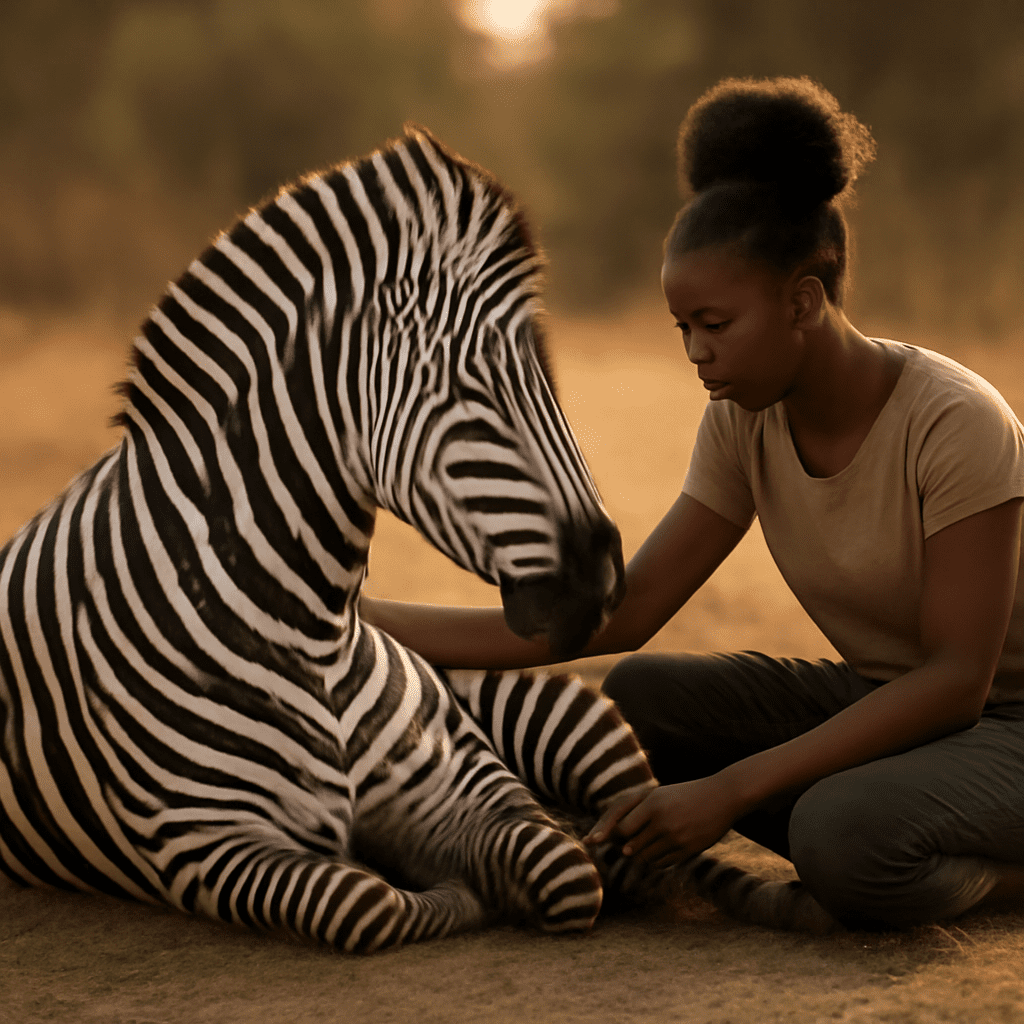
When exploring famous op art examples, you encounter works that have become iconic in the art world. Bridget Riley’s “Fall” series, for example, uses undulating lines to give the illusion of cascading movement across the canvas. Similarly, Victor Vasarely’s “Zebra” plays with black and white stripes to create a deceptively fluid form. These pieces aren’t just visual spectacles; they are masterclasses in the use of optical illusion to engage and challenge the viewer.
Techniques Used in Op-Art
Op-Art relies on several key techniques to achieve its mesmerizing effects. The use of contrasting colors, such as black and white, is a staple in this genre, enhancing the illusion of movement and depth. Repetition of shapes and lines is another frequent approach, allowing artists to play with patterns that trick the eye into seeing vibrations or shifts. Manipulating scale and proportion also contributes to the deceptive nature of Op-Art, where small changes can dramatically alter your perception of an image.
How Op-Art Influences Modern Design
The impact of Op-Art on modern design is undeniably profound. Its influence can be seen in various fields, from fashion to architecture. Designers often borrow the visual language of Op-Art to create bold, eye-catching patterns that challenge conventional aesthetics. In digital media, the principles of Op-Art are applied to create dynamic visual content that captures attention and enhances user interaction. By embracing the playful nature of optical illusions, modern designers continue to innovate and push the boundaries of visual experience.
In conclusion, Op-Art remains a powerful tool for both artists and designers, providing a unique lens through which to explore and challenge visual perception. As you delve into the world of Op-Art, consider how these optical illusions can inspire and influence your own creative endeavors.