


Capturing the essence of nature on canvas can be both challenging and rewarding. Beautiful paintings of nature often evoke emotion and transport viewers to serene landscapes far from their current surroundings. For artists seeking to delve into painting landscape scenes, understanding the basics and gathering the right tools can transform an ambitious project into a stunning masterpiece. In this guide, you’ll discover landscape painting ideas that cater to every artist’s style, from novice painters to seasoned illustrators.
Getting Started with Landscape Painting Ideas
Begin your journey by exploring various landscape painting ideas. Start small with a simple scene, such as a meadow or forest edge, to practice capturing depth and light. Take time to observe your surroundings, noting the interplay of light, shadow, and color. Incorporate these observations into your preliminary sketches, allowing your imagination to enhance reality.
Consider the mood you wish to evoke in your paintings. A misty morning might convey tranquility, while a vibrant sunset could express warmth and vitality. Use reference photos or plein air sessions to inform your work, gradually building your confidence in translating real-world landscapes onto your canvas.
Essential Tools for Painting Landscape Scenes
Equipping yourself with the right tools is crucial for successfully painting landscape scenes. Quality brushes in various sizes, from fine liners to broad flats, offer versatility for different strokes and textures. Invest in a sturdy easel, particularly if you plan to paint outdoors. A portable easel allows you to capture the landscape directly, enhancing your connection to the subject.
Paint selection is equally important. Choose between oils, acrylics, or watercolors based on your desired effects and drying times. Oil paints offer rich textures and blending capabilities, while acrylics provide quicker drying times and ease of use. Watercolors can be ideal for softer, more ethereal scenes. Each medium has its unique qualities, so experiment to find which suits your style best.
Techniques to Create Beautiful Paintings of Nature
Mastering various techniques can elevate your work, making your nature art truly compelling. Layering is a fundamental technique in creating depth and dimension in landscape pieces. Start with broad washes of color to set the scene, then progressively add detail with finer brushes.
Consider the importance of light in your compositions. Properly capturing the play of sunlight and shadow can turn ordinary scenes into beautiful paintings of nature. Utilize techniques like glazing, where thin layers of translucent paint add luminosity and vibrancy to your work.
Lastly, explore the art of texture. Using a palette knife or dry brush technique can introduce interesting surface variations and add a tactile quality to your landscape paintings. These elements contribute to the overall mood and realism of the scene.
Inspiring Landscape Painting Ideas to Try
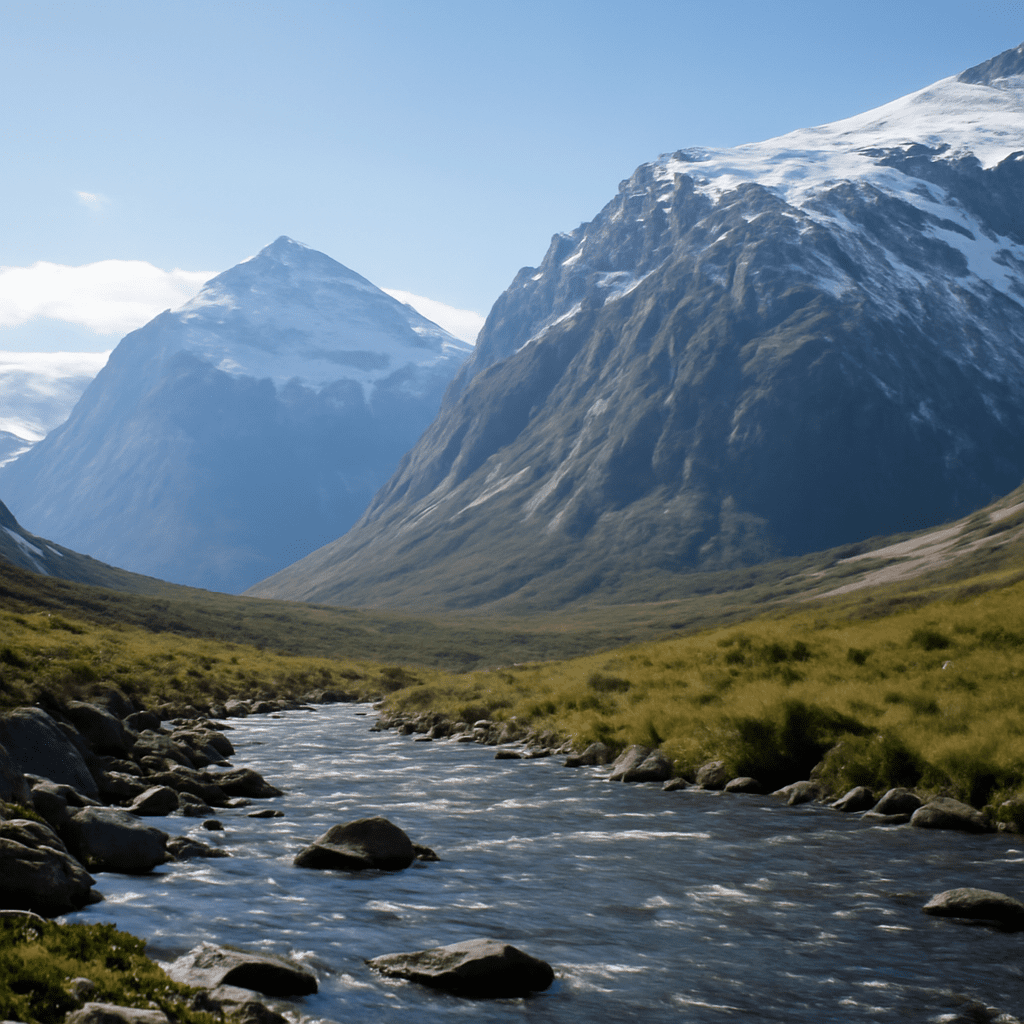
Dive into a world of creativity with these inspiring landscape painting ideas. Experiment with painting a tranquil lake surrounded by mountains, capturing the reflection of clouds on the water’s surface. Alternatively, try depicting a bustling forest, teeming with the vibrant greens of summer or the fiery hues of autumn.
Consider abstract interpretations of landscapes, where color and form take precedence over realistic detail. Such pieces invite the viewer to engage with the painting on a more emotional level, encouraging personal interpretation.
For those seeking a challenge, paint a scene at different times of day—dawn, noon, dusk—to explore how changing light affects the landscape. This practice not only hones your technical skills but also deepens your understanding of natural light.
Common Mistakes to Avoid in Landscape Painting
Avoid these pitfalls to enhance your success in landscape painting. One common mistake is neglecting composition. When planning your painting, ensure a balanced arrangement of elements, leading the viewer’s eye naturally through the scene. Overcrowding the canvas can overwhelm the viewer, diminishing the impact of individual elements.
Another error is using unrealistic color palettes. Reference nature to guide your color choices, but feel free to enhance them to suit the mood you wish to convey. Striking a balance between realism and artistic interpretation is key to compelling landscape work.
Finally, don’t rush the process. Painting landscape scenes requires patience and often multiple sessions to complete. Allow yourself time to reflect on your work between painting sessions, approaching the canvas with a fresh perspective each time.
With the right techniques and a mindful approach, your exploration into landscape painting will yield stunning results, enriching your artistic journey.