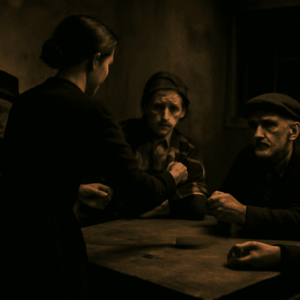
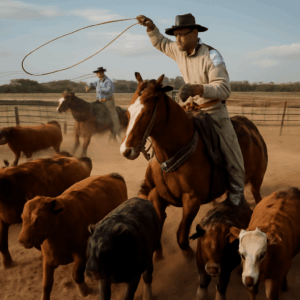
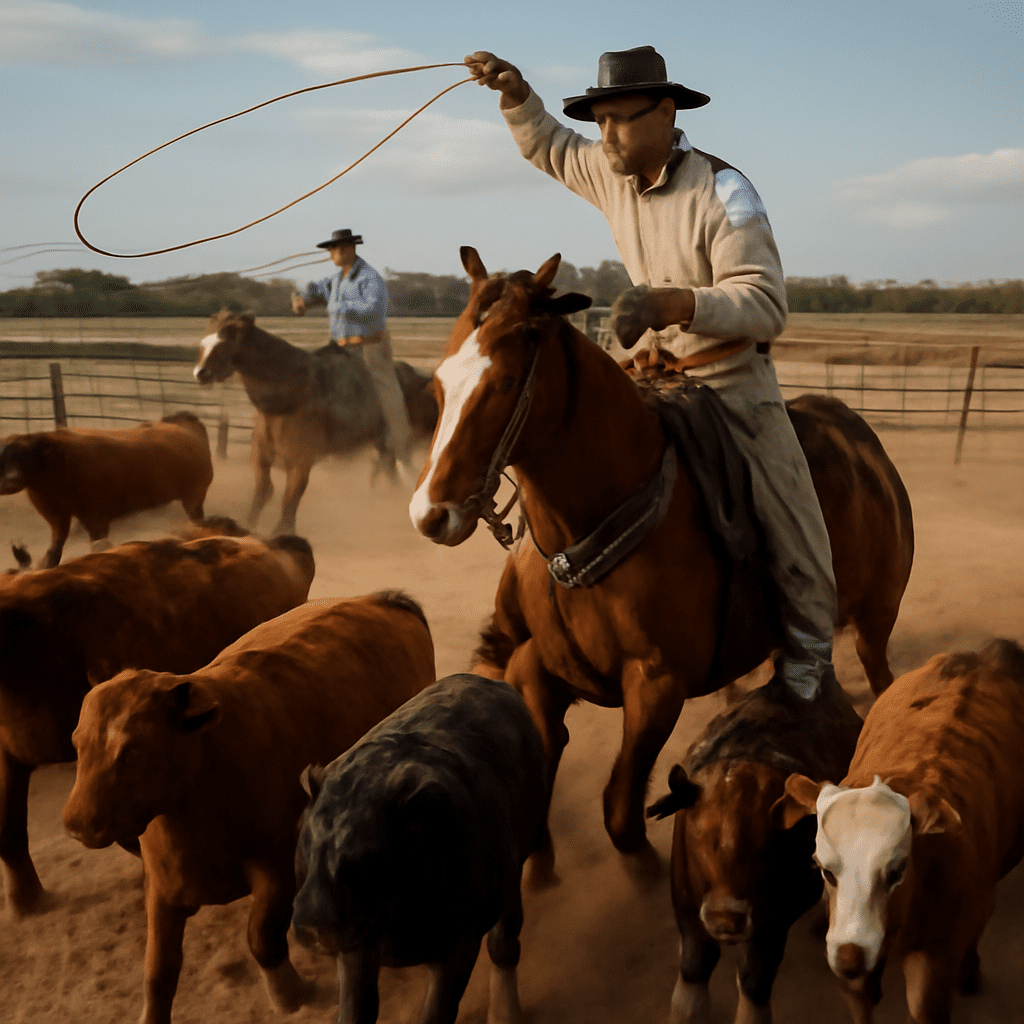
The windswept landscapes and rugged figures of cowboy paintings call to those who yearn for adventure, nostalgia, and the untamed spirit of the American West. Yet, many art lovers wonder what gives western paintings their timeless appeal, and why cowboy paintings in particular remain so captivating through generations. The answer lies in their ability to evoke a sense of freedom, hardship, and romance—qualities deeply embedded in American heritage and visual storytelling.
Whether you’re a seasoned collector or just starting to explore the world of western paintings, there’s a rich tapestry of stories, styles, and artistic innovation to discover. From the earliest depictions of frontier life to today’s contemporary interpretations, cowboy paintings continue to inspire, challenge, and intrigue. Let’s dive into what makes these artworks enduring icons in painting and illustration.
Understanding Western Paintings: A Brief Overview
To fully appreciate the allure of cowboy paintings, you first need to understand what western paintings represent. At their core, western paintings showcase the landscapes, people, and narratives that shaped the American frontier. Scenes often feature dramatic sunsets, open plains, wild horses, and, of course, the iconic cowboy. These visuals are more than artistic compositions—they’re vivid reminders of history and myth interwoven.
Western paintings embrace a wide range of subjects beyond cowboy paintings, including Indigenous peoples, settlers, and wildlife. This genre’s hallmark is its grounding in realism and authenticity, even when artists infuse a touch of romanticism or exaggeration. By painting the West, artists give you a sense of place—a tactile connection to the dust, grit, and golden light that define the region.
You’ll discover that cowboy paintings are just one strand of the intricate fabric that is western art. Whether you’re drawn to oil painting, watercolor renderings, or mixed media, the genre consistently emphasizes bold brushwork and evocative use of color to bring the wild West to life. The hands-on methods and textured surfaces of these works invite you to step closer, to almost feel the dry grass and leather saddles beneath your fingertips.
This commitment to immersing viewers in a story is what makes western paintings so compelling, embracing not just the subject matter, but also the tactile, sensory details that anchor you in another world.
The Evolution of Cowboy Paintings in Art
Cowboy paintings didn’t always look the way you see them today. When the American West was first being settled, artists often created quick sketches or field studies. These early works, capturing cowboys on horseback, cattle drives, or the solitude of a campfire, were meant to document a vanishing way of life. As time passed, cowboy paintings moved from straightforward records to more stylized, expressive interpretations.
The development of western paintings mirrored shifts in artistic techniques and cultural perspectives. In the late nineteenth and early twentieth centuries, the romanticizing of frontier life became more pronounced. Artists began using richer palettes, heightened drama, and layered textures, producing cowboy paintings that felt almost cinematic. Some painted scenes of heroic standoffs, while others depicted the quieter, everyday tasks of ranching life.
In contemporary art circles, cowboy paintings often break away from strict realism. You’ll find artists exploring abstraction, experimenting with mixed media, or layering in modern commentary. Throughout these changes, the enduring themes of western paintings—courage, resilience, and the relentless spirit of the cowboy—remain unmistakable. By reimagining classic motifs and updating technique, today’s artists keep cowboy paintings relevant and thought-provoking for new audiences.
For hands-on creators, studying this evolution reveals how you can blend tradition with innovation, adapting brushwork, composition, or color theory to create your own take on western paintings. Whether you’re recreating a historical scene or inventing a new narrative, the legacy of cowboy paintings offers an inspiring starting point.
Key Themes and Styles in Western Paintings
When you explore western paintings, certain themes and visual approaches quickly rise to the surface. The landscape is almost always a character—sweeping skies, rolling prairies, and looming mountain ranges provide dramatic backdrops for cowboy paintings. Weathered faces, detailed attire, and expressive horses are rendered with careful observation, giving the artwork both grit and elegance.
Cowboy paintings frequently showcase pivotal moments: a tense cattle roundup, a lone figure surveying the horizon, or the camaraderie of a campfire meal. These tropes are repeated but rarely feel stale, thanks to artists’ inventive use of perspective, lighting, and composition. Western paintings might use traditional realism or lean into impressionist brushwork, softening edges and layering color to suggest movement and mood.
Morphing these themes, you might experiment with telling a story through your own artwork by focusing on the subtleties—the glint of sunlight on a spurred boot, the dust in a galloping horse’s wake, or the quiet resolve in a cowboy’s eyes. DIY painters often find that adding tactile elements, like impasto texture or mixed media, can turn ordinary western paintings into immersive experiences.
Whether you’re studying cowboy paintings for technique or inspiration, pay close attention to how artists balance vast, open spaces with intimate human moments. This interplay between grandeur and detail makes western paintings perennial favorites on gallery walls and in private collections alike.
Famous Artists and Iconic Cowboy Paintings
No discussion of western paintings is complete without mentioning the trailblazers whose cowboy paintings have become cultural touchstones. Frederic Remington is perhaps the most recognized name, celebrated for dynamic action scenes and nuanced portrayals of cowboy life. His brushwork, use of chiaroscuro, and narrative depth set standards for generations of artists to come.
Charles M. Russell, another foundational figure, brought storytelling to the forefront of western paintings, often injecting humor and empathy into his cowboy paintings. His mastery of watercolor and sculpture broadened the genre’s appeal, making it more accessible to the public. Other notable artists, such as Frank Tenney Johnson and Maynard Dixon, each contributed distinctive visions—whether through moody night scenes or bold, graphic compositions.
Studying these creators, you learn the value of research, observation, and practice. Many took time to live among cowboys, study their habits, and immerse themselves in the landscape. If you’re developing your own style in painting and illustration, consider how these artists balanced accuracy with expressive storytelling. Emulate their dedication to craft, then let your own experiences shape your approach to western paintings.
Each new generation of artists continues to redefine what cowboy paintings mean, keeping the genre vibrant and connected to both tradition and innovation.
Why Western Paintings Remain Popular Today
Even as art trends change, western paintings and cowboy paintings retain their strong hold on collectors and creators alike. The popularity stems in part from their universal themes—freedom, adventure, and resilience—which resonate far beyond the American West. Modern artists and enthusiasts are drawn to these works not only for their historical significance but for their dynamic storytelling and visual drama.
Today, you’ll find western paintings displayed in major museums, private homes, and online galleries. Their tactile authenticity, bold colors, and compelling narratives help them stand out in a crowded art world. DIY artists often try their hands at creating cowboy paintings, attracted by the challenge of depicting movement, light, and texture in fresh ways.
There’s also a thriving market for both original western paintings and high-quality reproductions. Collectors are willing to invest in cowboy paintings for their decorative appeal as well as their enduring value. The emotional connection these works foster—rooted in shared heritage and a longing for open spaces—keeps them relevant year after year.
When you create, collect, or simply appreciate western paintings, you’re participating in a living tradition that bridges past and present, realism and imagination, grit and beauty.
Safety recap: When handling painting materials or framing western paintings, always work in a well-ventilated area and use gloves when necessary. To maintain the vibrancy of your cowboy paintings, keep them out of direct sunlight and regularly dust with a soft, dry cloth.