
Art history often highlights the dazzling colors and swirling lines of Vincent van Gogh, but his early period reveals a different side. When you first encounter Van Gogh Potato Eaters, you might notice its dark palette and earthy mood—an immediate contrast to the sunflower yellows and starry skies that later defined him. Back in the spring of 1885, van Gogh sought to capture the reality of rural peasant life, not just its appearance. The result, The Potato Eaters, stands as the artist’s first major work and a bold statement of his creative vision. The story and technique behind the Vincent van Gogh Potato Eaters painting continue to spark debate and admiration, drawing viewers into a raw, tactile world shaped by the artist’s hand.
You might wonder: Why did van Gogh choose such an unglamorous subject, and how did this unassuming scene become a cornerstone of his legacy? From the initial studies to the finished canvas, Van Gogh Potato Eaters was more than an experiment in technique—it was a declaration of empathy and artistic purpose. As you delve into its meaning, creation, and where to see it today, you’ll find that this early masterpiece isn’t just about potatoes or peasants but about seeing the world through van Gogh’s eyes.
Introducing The Potato Eaters: Van Gogh’s Unique Subject
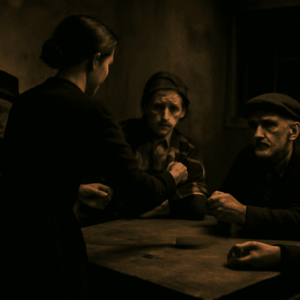
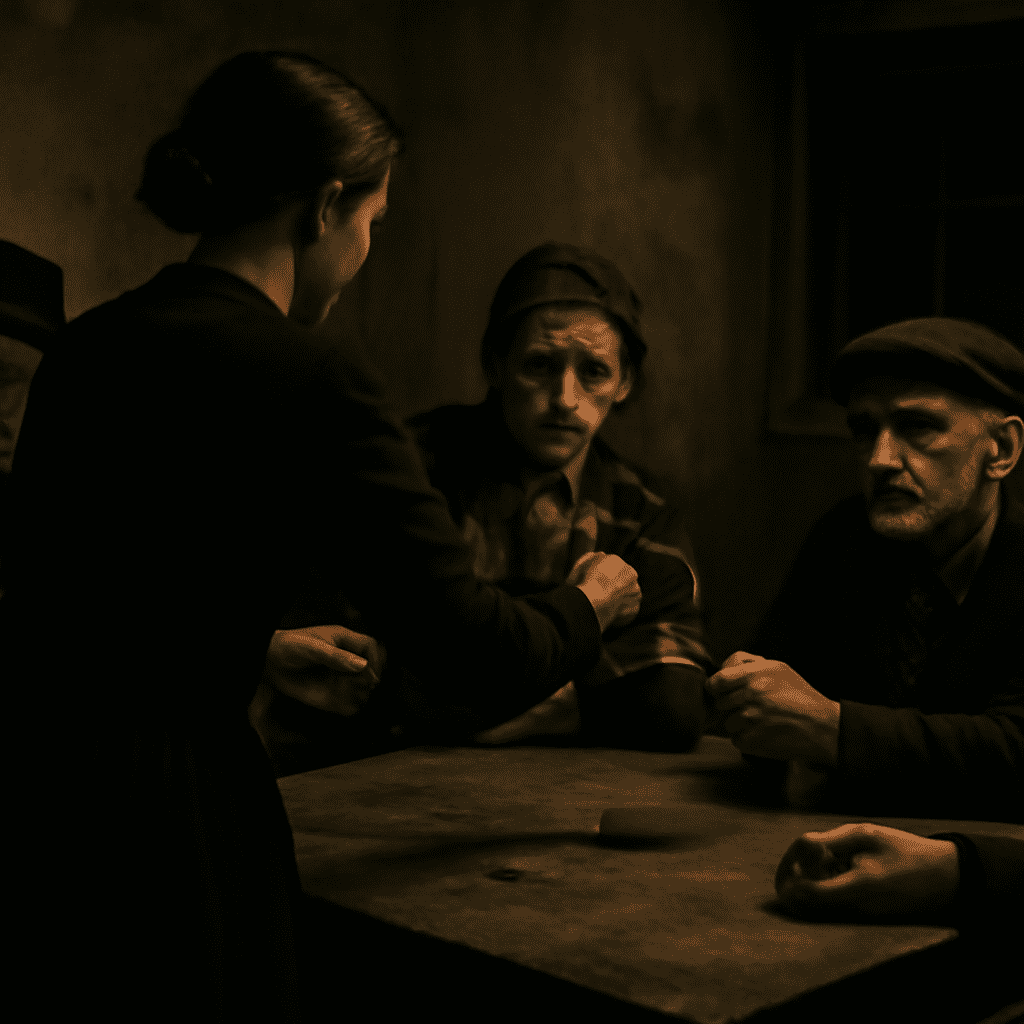
When you look at The Potato Eaters, you’re greeted by five figures hunched around a simple wooden table. Their faces are rough and hands stained, evidence of days spent digging soil and harvesting crops. Unlike traditional portraits, these peasants radiate a kind of dignity shaped by honest work. Van Gogh wanted to honor their daily struggle, choosing this family of potato eaters as a symbol of rural endurance. He carefully observed their gestures and rituals, often sketching by lamplight in their rustic cottages.
Van Gogh’s focus on peasant life was radical for his time. While other artists painted aristocratic sitters or elegant landscapes, van Gogh immersed himself in the rhythms of the countryside. By turning the potato, a humble staple, into a source of artistic meaning, he rejected romanticized views of rural poverty. The choice to depict the act of eating—mundane, repetitive, and necessary—was his way of giving voice to those often ignored by art and society. Van Gogh’s intent was to convey humanity’s connection to the earth, a theme you feel in every brushstroke.
To truly appreciate the subject, try viewing the painting up close. Notice how the oil paint creates textures that echo the ruggedness of the sitters’ skin and the coarseness of their clothing. The entire scene is bathed in the muted glow of a single lamp, emphasizing intimacy and hardship. Rather than presenting an idealized rural scene, van Gogh’s depiction is direct and unfiltered—a visual essay on what it means to live by the land.
The Story Behind Vincent van Gogh Potato Eaters
Understanding the history of the Vincent van Gogh Potato Eaters painting adds a new layer of depth. Van Gogh produced this work while living in Nuenen, a small Dutch village, between April and May 1885. He spent months preparing, creating dozens of sketches and preliminary studies. The artist even persuaded local peasants to pose for him, sometimes for hours, so he could capture authentic postures. You sense his commitment in the careful rendering of their features and the subtle variations in their body language.
Family dynamics played a key role in the process. Van Gogh corresponded with his brother Theo, describing his desire to express “something of the heart” through art. He wanted his painting to feel honest and unvarnished, a reflection of the daily grind these workers endured. There were struggles along the way: after finishing the piece, van Gogh faced criticism for its rough technique and somber color palette. Some contemporaries found it crude, but he defended his choices, insisting that the painting’s imperfections mirrored the realities of peasant life—no gloss, no artifice.
The Potato Eaters marked a crucial shift in van Gogh’s artistic development. It was his first large-scale, multi-figure composition, demanding technical and emotional investment. The experience pushed him to experiment with oil paint in new ways, blending quick gestures with layered glazes. Working late into the evening under faint light, he aimed for a tactile realism that you can almost feel with your fingertips.
Artistic Techniques in The Potato Eaters
To achieve the intense realism in The Potato Eaters, van Gogh experimented boldly with color, brushwork, and lighting. Instead of bright hues, he mixed ochres, greens, and umbers, echoing the soil and crops surrounding his subjects. This earthy palette was a deliberate choice, reinforcing the painting’s connection to the land. By using short, choppy brushstrokes—sometimes almost sculptural—he gave the figures a physical presence. You notice how their hands, nearly as rough as the potatoes themselves, seem to emerge from the canvas through the layering of thick, tactile paint.
Van Gogh approached composition as a designer would, arranging the sitters to form a tight, pyramidal structure. He balanced the glow of the oil lamp above, creating dramatic contrasts that model the figures in soft, flickering light. This approach to painting figures around a common table was a nod to Dutch genre scenes, yet van Gogh’s style leaned toward expressive distortion rather than photographic accuracy. He often scraped or overworked sections, testing how paint could mimic the lived-in surfaces of a peasant home.
If you’re inspired to try similar painting techniques, study how van Gogh built up forms using repeated brush marks. Notice how he sketched underdrawings with charcoal before applying color. The way he handled transitions—moving from shadow to highlight, rough to smooth—demonstrates a designer’s ability to evoke mood through material choices. By focusing on texture and gesture, van Gogh set a template for expressive, hands-on mark-making that influenced countless painters after him.
The Lasting Impact of Van Gogh Potato Eaters
Although Van Gogh Potato Eaters was met with mixed reviews at first, its influence on the art world can’t be overstated. The painting’s unflinching honesty paved the way for van Gogh’s later, more colorful works, while its commitment to truth inspired movements from Expressionism to Social Realism. Artists learned from his approach to capturing the spirit and hardship of everyday life, not just its surface.
Today, art historians view The Potato Eaters as a foundational work in van Gogh’s portfolio. It’s a reference point for understanding his journey as a painter—how he moved from somber genre scenes to the vivid, emotionally charged canvases of his final years. If you ever study creative technique, you’ll find echoes of the Potato Eaters in the raw brushwork and honest themes of later 19th- and 20th-century painters. Van Gogh’s willingness to show life’s grit changed how artists approach subject matter, color, and storytelling.
When you encounter this painting, you’re seeing more than a family meal. You’re witnessing an artistic revolution, one that traded fantasy for the authenticity of lived experience. The Potato Eaters challenges you to reconsider what makes an image powerful: not surface beauty, but the courage to show things as they are.
Where to See The Potato Eaters Today
If viewing the Vincent van Gogh Potato Eaters in person is on your bucket list, head to the Van Gogh Museum in Amsterdam. The original canvas has been housed there since the 1970s, where it draws thousands of visitors each year. Standing before the actual painting, you’ll notice details that reproductions miss—thick impasto, subtle shifts in shadow, and the sense of presence that only comes from seeing van Gogh’s handiwork up close.
For those unable to travel, high-resolution digital scans are available through the museum’s online collection. You can zoom in on the brushwork, study the color transitions, and even explore van Gogh’s preparatory drawings. Several museums in Europe also own studies and sketches related to The Potato Eaters, providing a complete look at how van Gogh developed his ideas.
Whether you explore in person or virtually, take your time. Let your eye move slowly across the canvas, following the lines and textures that still resonate after nearly 140 years. The Potato Eaters stands as a bridge between van Gogh’s humble beginnings and his later genius—an invitation to see art, and life, with fresh eyes.