



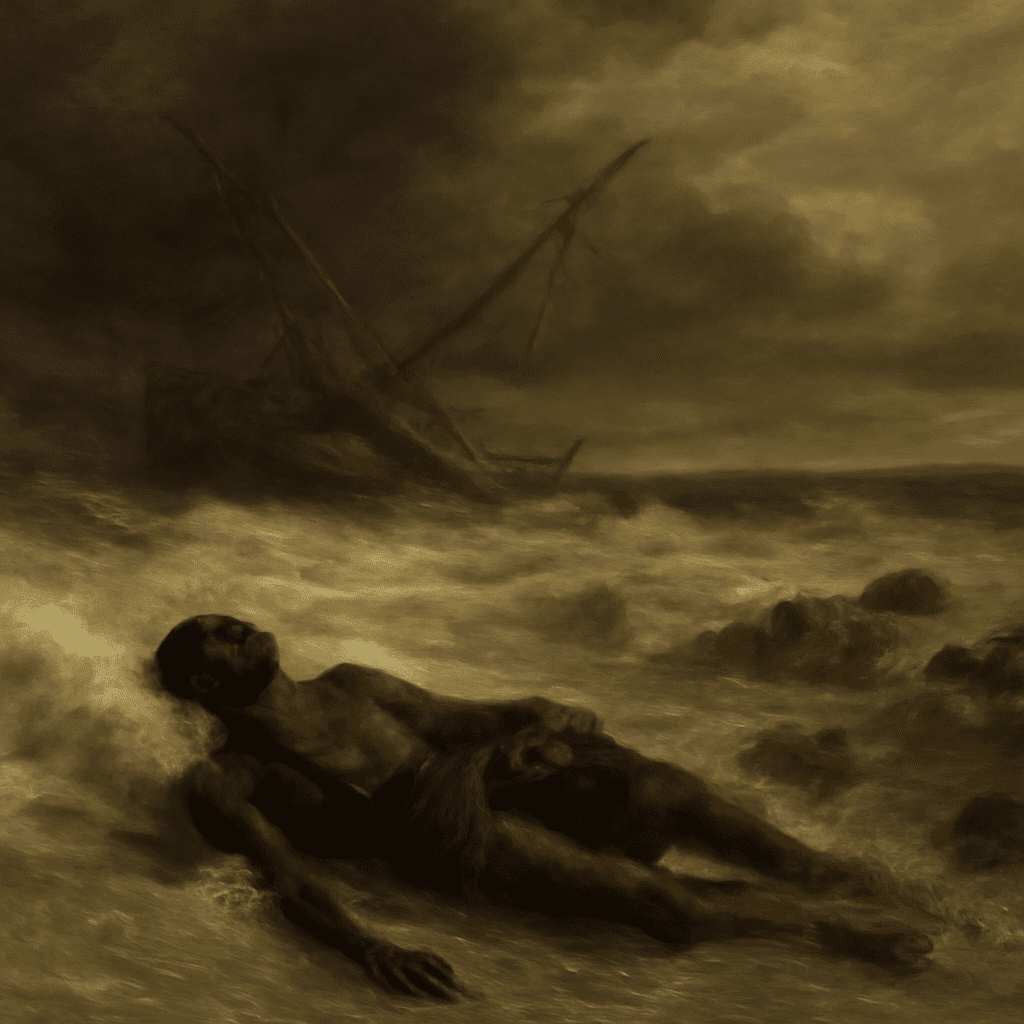
The Slave Ship Turner captures a moment of intense human tragedy intertwined with nature’s ferocity. This iconic piece by JMW Turner stands as a poignant reminder of the atrocities of the transatlantic slave trade, marrying art and history in a powerful tableau. When you explore the Turner Slave Ship, you delve into more than just an artwork; you uncover the layers of meaning and emotion embedded in each brushstroke. Turner’s work not only reflects the historical context in which it was created but also offers a timeless commentary on humanity’s darker impulses.
Understanding the historical significance of the Slave Ship Turner enhances your appreciation of its artistic brilliance. Through the use of bold colors and evocative imagery, Turner invites you to confront the harsh realities of human suffering. By examining the techniques and symbolism within JMW Turner’s masterpiece, you gain insights into how art can elevate historical narratives and influence contemporary perceptions.
Understanding the Historical Context of the Slave Ship Turner
The Transatlantic Slave Trade and Its Impact
The transatlantic slave trade was a dark chapter in human history, marked by the forced movement of millions of Africans to the Americas. This brutal trade not only devastated countless lives but also shaped economic and social structures across continents. When you examine the Turner Slave Ship, you see these historical realities manifest in vivid detail. This artwork serves as a visual protest against the inhumane conditions faced by enslaved individuals, highlighting their plight with raw and unflinching honesty.
Turner’s Inspiration Behind the Slave Ship
JMW Turner found inspiration for the Slave Ship Turner in contemporary events and publications condemning slavery. The painting was partially inspired by the horrific incident involving the slave ship Zong, where enslaved Africans were thrown overboard for insurance claims. By translating this tragedy into art, Turner sought to evoke empathy and outrage, compelling you to reflect on the moral failings of society. Turner’s use of vivid imagery and dramatic scenes ensures that the message of his work is both powerful and unmistakable.
Analyzing the Artistic Techniques in Turner’s Slave Ship
Color and Light: Turner’s Artistic Signature
JMW Turner’s use of color and light distinguishes his work, and the Slave Ship Turner is no exception. The painting is a tour de force of swirling colors and luminous light, imbuing the scene with a sense of chaos and impending doom. By manipulating light and shadow, Turner captures the violent clash between nature and human suffering. This technique not only enhances the emotional impact of the piece but also demonstrates Turner’s mastery of his craft.
Symbolism and Emotion in the Slave Ship
Every element in the Turner Slave Ship is imbued with symbolism, inviting you to engage with the deeper layers of meaning. The turbulent seas, stormy skies, and struggling figures serve as metaphors for the brutality and despair inherent in the slave trade. Turner’s ability to convey emotion through brushwork and composition allows the painting to resonate with viewers on a profound level. By examining these elements, you gain an appreciation for how Turner uses symbolism to evoke empathy and provoke thought.
The Legacy and Influence of the Slave Ship Turner
Impact on Art and Culture
The Slave Ship Turner has left an indelible mark on the world of art and culture. Its influence extends beyond the canvas, inspiring artists, activists, and historians to engage with themes of justice and humanity. Turner’s bold depiction of human suffering challenges you to confront uncomfortable truths, sparking conversations that continue to this day. Through its enduring impact, the painting has cemented its place as a masterpiece of protest art.
Contemporary Interpretations of the Slave Ship
In modern times, the Turner Slave Ship continues to be a subject of study and reinterpretation. Artists and scholars alike explore its themes and techniques, drawing connections to current social and political issues. By reexamining this work through a contemporary lens, you discover new layers of relevance and meaning. Turner’s painting serves as a powerful reminder of art’s ability to transcend time and inspire change.
Next Steps: As you continue your exploration of the Slave Ship Turner, consider how its themes resonate with today’s world. Engage with contemporary artworks that address similar issues, and reflect on how art can influence your perspective on history and society. By remaining open to new interpretations, you ensure that Turner’s masterpiece continues to inspire and challenge future generations.