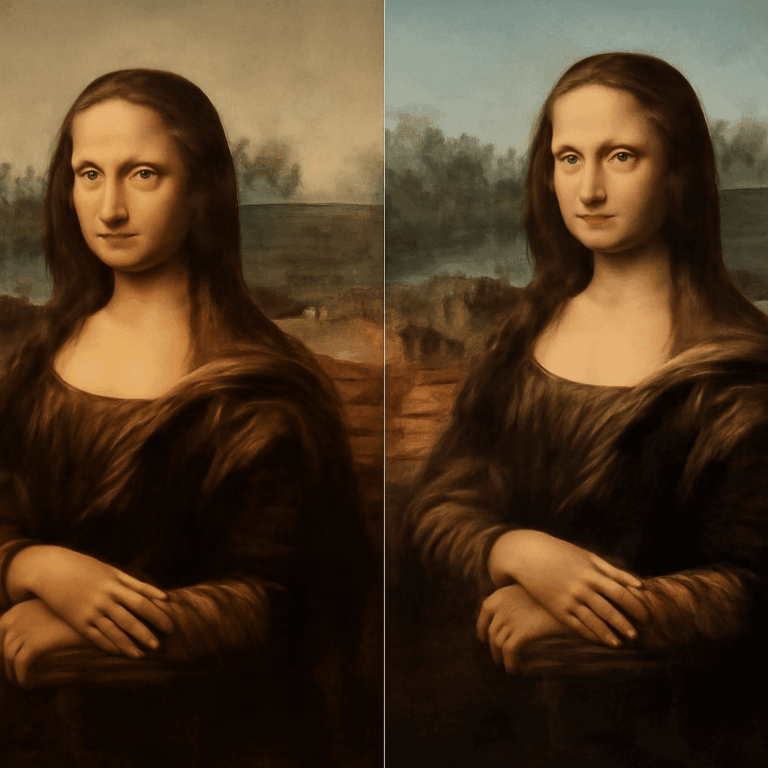



In a world where photography is becoming increasingly accessible, understanding how to capture stunning images can set your work apart. Enter HDR photo techniques, which allow you to capture scenes as your eyes see them, with all the nuances of light and color. Learning what is an HDR photo and how HDR photos can enhance your visual storytelling is crucial for both budding and seasoned photographers.
By mastering high dynamic range (HDR) photography, you can breathe life into your images, transforming them with depth and vibrance that traditional methods might miss. With the right equipment and a strategic approach, you can harness the power of HDR photos to elevate your art and captivate your audience.
Understanding HDR Photography
What is an HDR Photo?
An HDR photo is a composite of multiple images taken at different exposures, combined to produce a single image with a greater range of luminosity. This technique allows you to capture the details in both the darkest and brightest areas of a scene, which is difficult to achieve with a single exposure.
The Science Behind High Dynamic Range
High dynamic range photography leverages the human eye’s ability to perceive a vast range of light contrasts. By merging several photos taken at varied exposure levels, HDR creates a final image that presents light and dark areas more realistically. This process results in images that more closely resemble what the human eye naturally observes.
The Benefits of HDR Photos
Why Choose HDR Photography?
HDR photography is ideal for landscapes or interiors where lighting can vary dramatically. Using HDR photo techniques, you can highlight the vibrancy of a sunset or the subtle details of a dimly lit room. This approach not only enhances aesthetic appeal but also allows for creative expression and storytelling.
Examples of Stunning HDR Photos
Imagine a cityscape where the streetlights glow vividly against a twilight sky, or a natural landscape where every leaf is visible in a forest shadow. These are examples of stunning HDR photos that demonstrate the technique’s ability to create breathtaking imagery. The result is a visual feast that captivates viewers and draws them into the scene.
Essential Equipment for HDR Photography
Cameras and Lenses
To create HDR photos, you’ll need a camera that supports manual exposure settings and can shoot in RAW format. DSLRs and mirrorless models are popular choices. Pair your camera with a versatile lens that suits your subject matter—wide-angle lenses are particularly effective for capturing expansive scenes.
Tripods and Accessories
A sturdy tripod is essential for stabilizing your camera during the multiple exposures needed for HDR photography. Additional accessories, such as a remote shutter release, can further minimize camera shake, ensuring sharper images.
Easy Steps to Capture HDR Photos
Preparing Your Camera Settings
Start by setting your camera to manual mode. Adjust the ISO to a low setting to reduce noise, and select an appropriate aperture for your depth of field. Use bracketing to take multiple shots at various exposures. These settings lay the groundwork for capturing stunning HDR photos.
Post-Processing Tips
After capturing your images, use software like Adobe Lightroom or Photomatix to merge them into a single HDR photo. Focus on adjusting the contrast, brightness, and saturation to ensure a natural yet striking result. Experiment with different presets and adjustments to find a style that suits your vision.
Common Mistakes in HDR Photography
One common mistake is over-processing, which can lead to unnatural, garish images. Strive for subtlety to maintain realism. Another pitfall is ignoring the importance of a stable setup; without a tripod, your images may suffer from misalignment. Lastly, remember to pay attention to your composition, as HDR is not a fix for poor framing.
By keeping these insights in mind and practicing regularly, you can master HDR photography and consistently capture images that wow.
Safety Recap: Always handle your tripod with care to prevent accidents. Keep your equipment dry and clean to maintain its longevity and performance.