
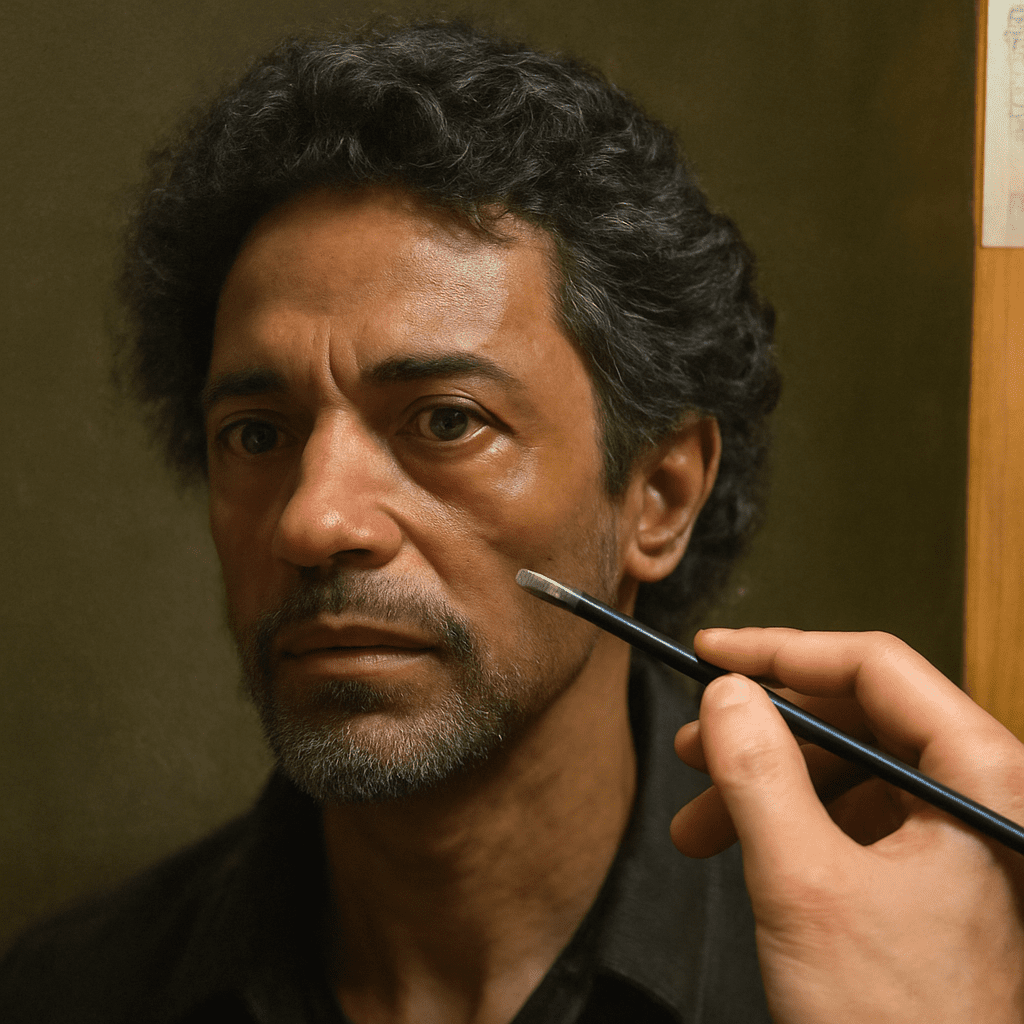
Oil portrait painting is a timeless art form that captures the essence of its subjects with unparalleled depth and richness. In mastering this craft, you not only create stunning visual representations but also pay homage to a tradition that has celebrated human expression for centuries. With the right techniques and tools, painting portraits in oil becomes a rewarding endeavor that encapsulates the soul of the person being portrayed.
This guide will walk you through the process of creating breathtaking oil portrait paintings. You’ll learn why oil painting is perfect for portraits, discover essential tools and techniques, and navigate common challenges, ensuring your work is not only beautiful but durable and long-lasting.
Why Choose Oil Painting for Portraits?
The Richness of Oil Portraits
Painting portraits in oil offers a richness and depth that other mediums simply can’t match. The flexibility of oil paints allows for intricate detail and subtle blending, essential for capturing the nuances of human expressions. When you paint with oils, the colors stay vibrant and lively, enhancing the lifelike quality of your artwork.
Durability and Longevity
One key reason oil portrait painting remains a favorite among artists is its durability. Oil paintings, when properly cared for, can last for centuries without significant fading or degradation. The oil medium forms a robust layer that withstands the test of time, ensuring that your captured moments can be enjoyed by generations to come.
Essential Tools for Oil Portrait Painting
Selecting the Right Brushes
Choosing the right brushes for painting portraits in oil is crucial for achieving desired textures and details. Opt for a variety of shapes and sizes, including filbert, flat, and round brushes, to handle different aspects of your painting.
Choosing Quality Oil Paints
Investing in high-quality oil paints is essential for creating stunning oil portrait paintings. Quality paints have a higher pigment concentration, which results in more vibrant colors and smoother blending. Look for brands known for their consistency and colorfastness.
Canvas and Surface Options
Selecting the right canvas or surface is another important step. Linen canvas is preferred for its smooth texture, but cotton canvas is also a good choice for beginners. Ensure the canvas is primed to prevent oil from seeping through.
Techniques for Creating Stunning Oil Portraits
Understanding Lighting and Shadows
Lighting and shadows play a pivotal role in oil portrait painting. Study how light interacts with the subject’s face to create depth and dimension. Use contrasts and highlights strategically to convey life and emotion.
Blending Colors for Realism
To achieve realism in oil portrait painting, master the art of color blending. Gradually mix colors on your palette and apply them in thin, translucent layers. This technique allows you to mimic the complexions and shadows found in the human face.
Layering Techniques in Oil Painting
Layering is vital in painting portraits in oil. Begin with an underpainting to set the foundation, then progressively add layers to build form and depth. Allow each layer to dry thoroughly before applying the next to avoid muddiness.
Step-by-Step Guide to Painting Portraits in Oil
Preparing Your Canvas
Start by preparing your canvas. Make sure it’s prepped and ready with a couple of coats of gesso. This step is critical for ensuring your paint adheres properly and lasts longer.
Sketching the Outline
Use a light pencil or charcoal to sketch your subject’s outline. This will serve as a guide for the placement of features and overall composition.
Building the Layers
Begin with the darkest values and gradually work towards the lightest. Focus on building layers, paying attention to transitions between light and dark areas to enhance the portrait’s three-dimensionality.
Common Challenges in Oil Portrait Painting and How to Overcome Them
Correcting Mistakes
Don’t worry about mistakes. Oil paints are forgiving. You can correct errors by carefully scraping the paint off or painting over once dry. Be patient and allow the painting to evolve.
Maintaining Consistency in Texture
Achieving a consistent texture can be challenging. Use medium sparingly to control paint flow and avoid drastic texture differences. Maintain a steady hand and practice the techniques regularly.
Showcasing Your Finished Oil Portrait
Once your oil portrait is complete, consider framing it to enhance its presentation. The right frame can complement your work and add to its overall aesthetic appeal. Display your masterpiece in a well-lit area to highlight its intricate details and vibrant colors.
Safety Recap: When working with oil paints and solvents, ensure proper ventilation to avoid inhaling fumes. Always handle your tools with care and clean them thoroughly to maintain their longevity.