
Every artist embarks on a journey to discover their unique style of painting, encountering various types of painting styles along the way. From realism’s meticulous detail to abstract art’s boundless freedom, the diverse range of paint styles offers you the opportunity to explore and express your creativity. This article will guide you through the different types of painting genres, helping you find the one that aligns with your artistic voice and enhances your creativity.
Understanding different painting styles is vital for any artist aiming to grow and develop. Whether you’re drawn to traditional art forms or modern styles of paintings, each style presents its own set of challenges and rewards. By exploring the variety of styles of paintings available, you can enhance your skill set and find your unique style among the many styles of paintings.
Understanding the Basics of Painting Styles
What Defines a Style of Painting?
A style of painting is defined by its distinct characteristics and techniques, setting it apart from other styles of paintings. It encompasses the methodology, themes, and textures that artists utilize to convey their vision. Styles like realism focus on meticulous detail and accuracy, while abstract art allows for unfettered creativity and expression through unconventional forms.
Historical Evolution of Painting Genres
The evolution of painting genres over the centuries reveals a fascinating journey of transformation and innovation. From the classical styles influenced by ancient traditions to the emergence of modern styles of paintings post-Industrial Revolution, every genre embodies the cultural and technological shifts of its era. Understanding these historical contexts enables you to appreciate the depth and significance of each style.
Popular Types of Painting Styles Today
Realism and Its Influence
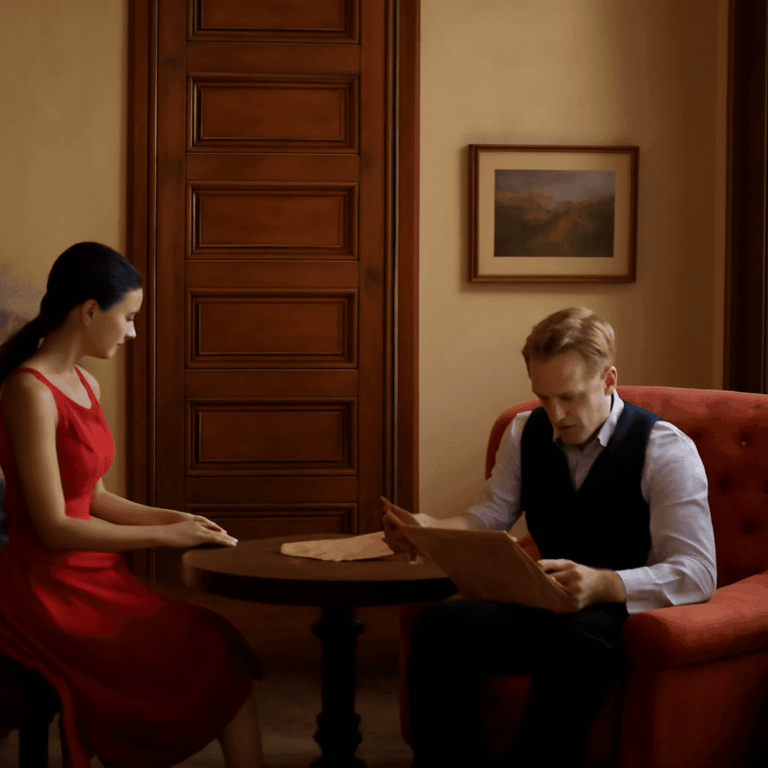
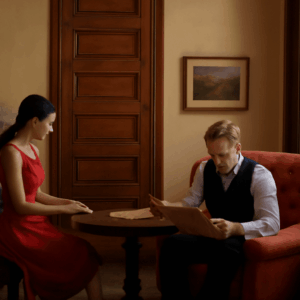
Realism remains a prominent style of painting, capturing the world with precise attention to detail and technical accuracy. This genre aims to depict subjects as they appear in life, emphasizing truthfulness and simplicity. Exploring realism allows you to refine your observational skills while appreciating the beauty in everyday scenes.
Beyond its foundational techniques, realism has influenced other types of painting styles, inspiring artists to integrate realistic elements into diverse styles of paintings. As you delve into this genre, you’ll discover how realism’s authenticity can complement your artistic expression.
Impressionism: Capturing Moments
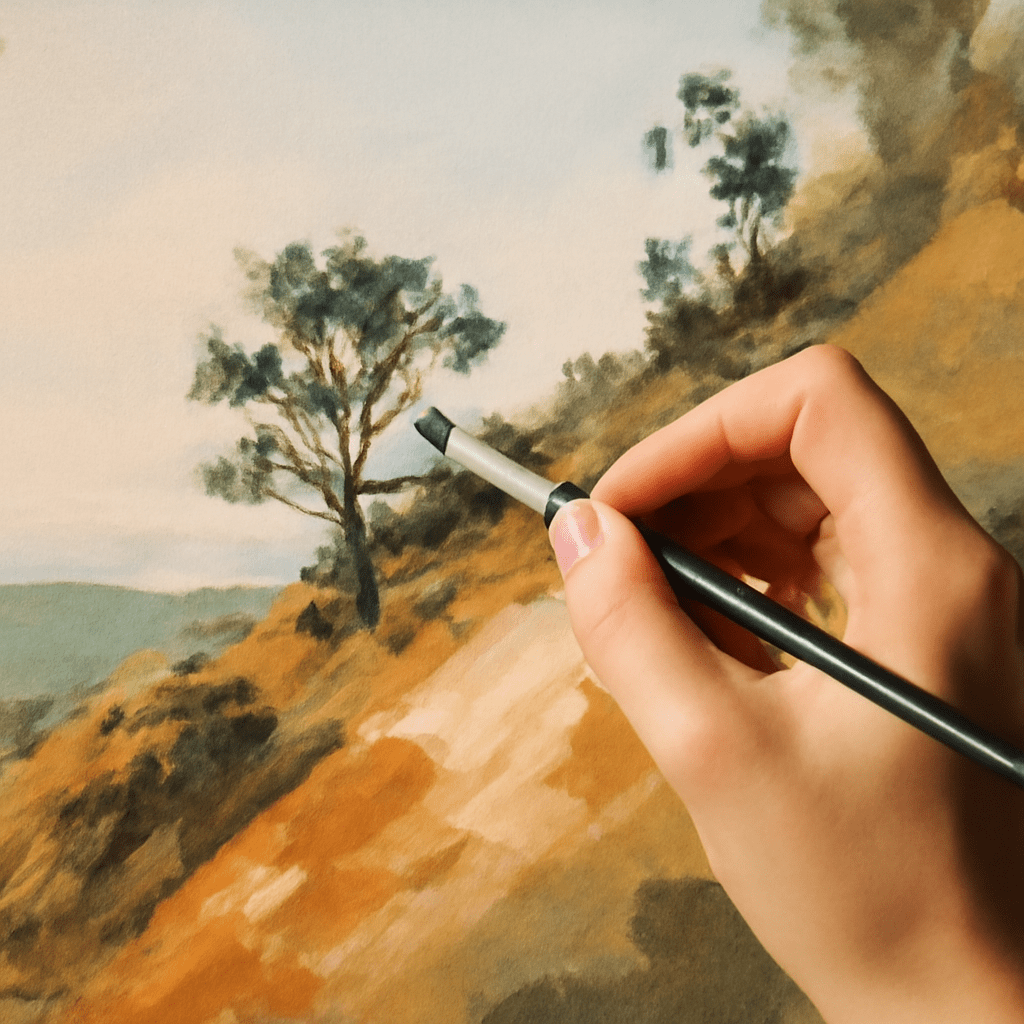
Impressionism revolutionized the art world by emphasizing the fleeting effects of light and color. This style of painting encourages you to capture moments as they appear, using quick brushstrokes and vibrant palettes. Impressionism allows you to express spontaneity and emotion through your work.
By exploring this genre, you can learn to convey mood and atmosphere, adding depth to your overall artistic repertoire. The techniques used in impressionism can enhance your ability to render dynamic and engaging compositions.
Abstract Art: Freedom of Expression
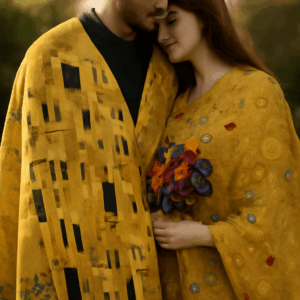
Abstract art liberates you from the constraints of reality, inviting exploration through shapes, colors, and forms. This style of painting emphasizes personal interpretation, allowing for boundless creativity. Engaging with abstract art nurtures your ability to express complex ideas without explicit representation.
The freedom abstract art offers can be integrated into other styles of paintings, challenging you to innovate within traditional boundaries. By embracing abstract art’s versatility, you can develop a distinct voice that resonates with your aesthetic preferences.
Exploring Traditional and Modern Painting Genres
Classic Artistic Traditions
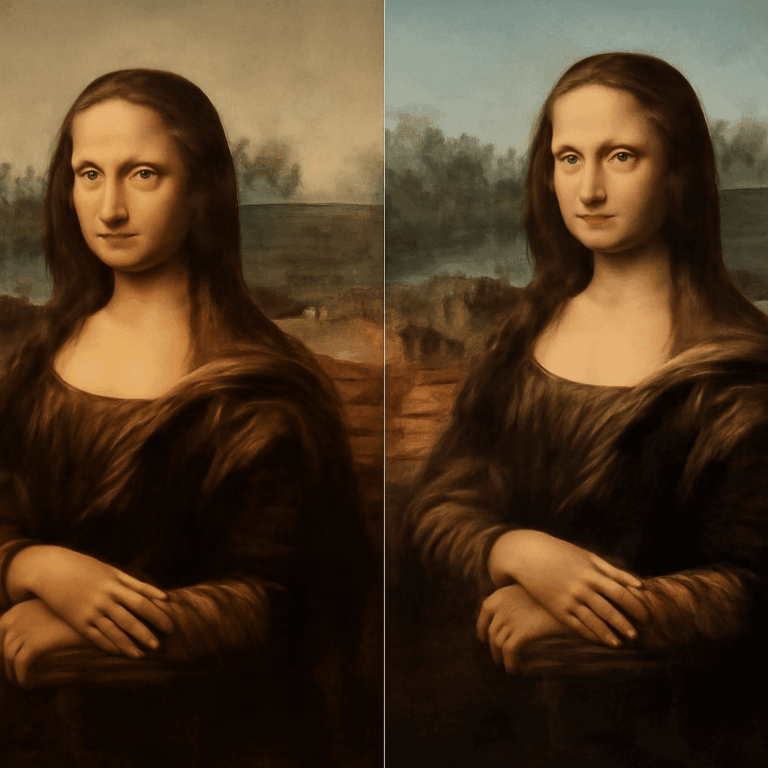
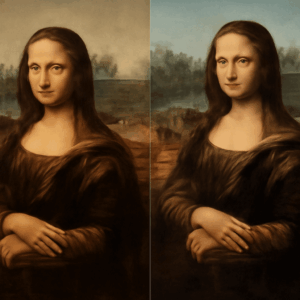
Traditional painting genres include the timeless styles that have shaped artistic expression for centuries. Exploring classic styles of paintings such as Renaissance or Baroque reveals the technical mastery and thematic intricacy developed by historic artists.
These traditional genres offer foundational techniques and principles that enhance your understanding of composition, perspective, and anatomy. By studying these styles, you can build a robust skill set that informs your modern artistic endeavors.
Modern Styles of Paintings
Modern styles of paintings reflect contemporary influences, embracing innovation and new technologies. By exploring genres like digital art or street art, you can expand your artistic horizons and engage with current trends.
These modern genres encourage you to experiment with mediums and techniques, cultivating a diverse portfolio that resonates with today’s artistic landscape. Engaging with modern styles of painting allows you to stay relevant and inspired in a rapidly evolving art world.
Choosing the Right Style of Painting for You
Factors to Consider
Choosing your style of painting involves considering various factors such as personal interests, technical strengths, and desired expression. Reflecting on these elements guides you towards styles of paintings that resonate with your artistic goals.
Assessing factors like your preferred mediums and artistic influences helps refine your selection, ensuring that the chosen style enhances your artistic voice and creativity.
Experimenting with Different Paint Styles
Experimentation is key to discovering your unique style of painting. By testing various types of painting styles, you develop adaptability and broaden your skill set. This exploration encourages you to integrate diverse techniques into your work.
Through trial and error, you learn which styles of paintings align with your vision, helping you cultivate a cohesive and personalized artistic approach.
How to Develop Your Unique Painting Style
Building Skills and Techniques
Developing your style of painting requires consistent practice and skill-building. Focus on mastering techniques that enhance your chosen genre, whether it involves precise brushwork or bold color application.
Regularly evaluating your progress allows you to refine your techniques, ensuring continual growth and improvement in your artistic endeavors.
Inspiration and Creativity
Inspiration fuels creativity, driving your exploration of different types of painting styles. Seek inspiration from diverse sources, including nature, culture, and fellow artists. Engaging with varied influences nurtures innovation.
Cultivating creativity encourages you to experiment with new ideas and reinterpret existing styles of paintings, contributing to the development of your distinct artistic voice.
Bottom line: Embrace the diverse range of paint styles to discover your unique style of painting. Experimenting with different genres enhances your creativity, helping you refine your artistic voice and expand your skill set.