


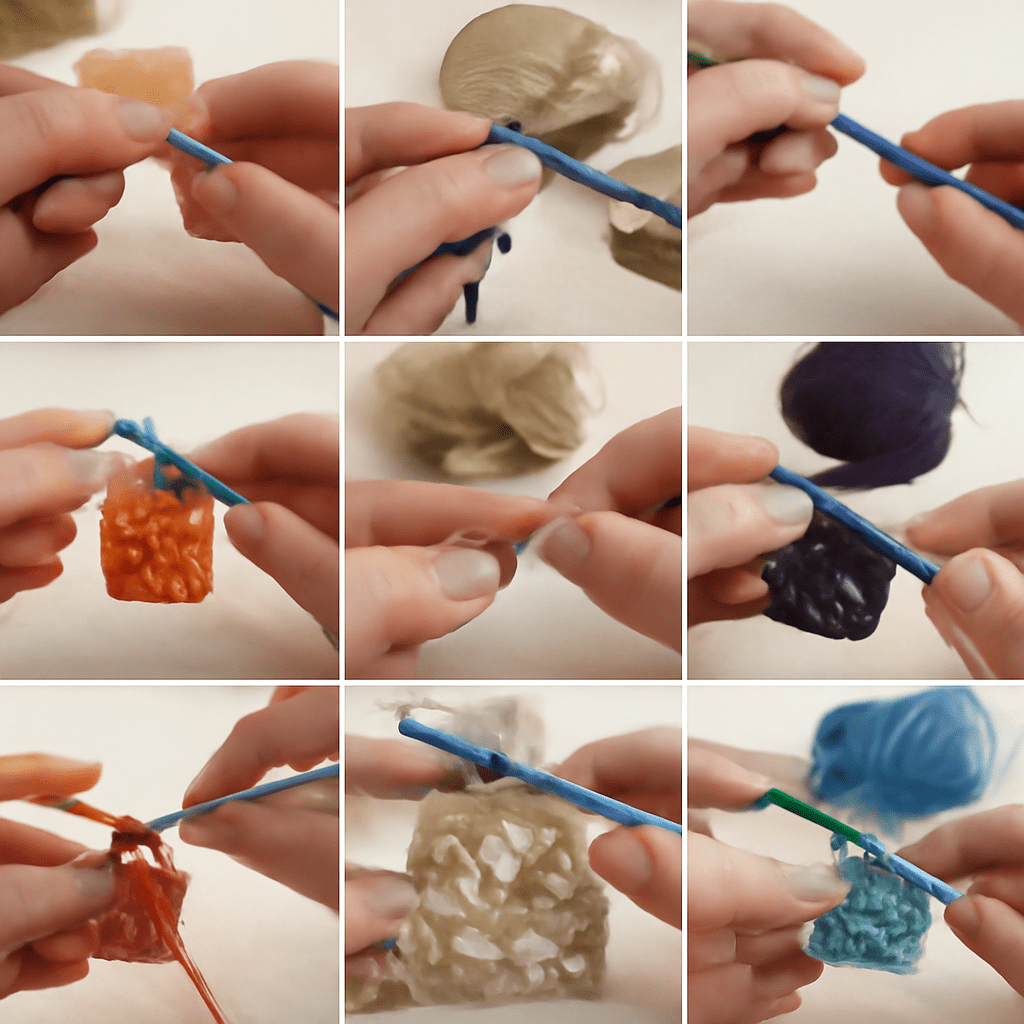
In the world of crochet, mastering different stitches is crucial for enhancing your creative projects. The slip stitch crochet is one such technique that offers versatility and elegance. Whether you’re new to crochet or looking to expand your repertoire, the crochet slip stitch can add finesse to your work. Understanding how to use slip stitch effectively is essential for creating seamless edges and intricate patterns. As you dive into the art of slip stitch in crochet, you’ll unlock a world of creative possibilities.
This guide is designed to help you become proficient in slip stitching, starting with the basics and moving into more advanced applications. From understanding the fundamental concepts to avoiding common pitfalls, you’ll gain the confidence to explore the creative applications of the crochet sl st in your projects.
Understanding Slip Stitch Crochet
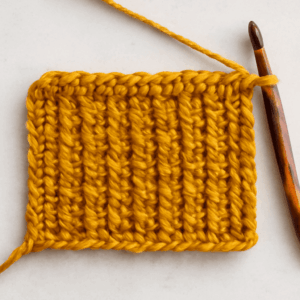
The slip stitch is one of the simplest, yet most versatile stitches you can learn in crochet. It’s often used to join rounds, create firm edges, or add subtle texture to your projects. When you engage in slip stitch crochet, you essentially pull a loop through another loop without adding height to your work. This creates a compact stitch that is excellent for finishing and detailing.
Slip stitching is not only foundational but also transformative, allowing you to craft delicate designs with ease. As you practice the slip stitch, you’ll notice its ability to create a smooth and contiguous appearance, which is particularly useful in color changes and border work.
Essential Tools for Crochet Slip Stitch
Before you start practicing slip stitching, it’s important to have the right tools on hand. A quality crochet hook set is fundamental—hooks with ergonomic handles can improve comfort during long crocheting sessions. The yarn you choose should complement the hook size; for slip stitches, a medium-weight yarn provides a good balance for beginners.
Besides hooks and yarn, a pair of sharp scissors and a stitch marker are invaluable. Stitch markers help you keep track of your progress, especially when working on complex patterns. Remember, having the right tools can make the learning process smoother and more enjoyable.
Step-by-Step Guide to Perfecting the Slip Stitch in Crochet
To master the slip stitch, follow these steps:
- Insert the Hook: Begin by inserting your hook into the stitch where the slip stitch is needed.
- Yarn Over: Wrap the yarn around the hook from back to front.
- Pull Through: Pull the yarn through the stitch and the loop on the hook in a single motion.
Practice this technique on a swatch to get consistent tension. As you become more comfortable with this process, try incorporating slip stitches into patterns that require precision, such as edging or attaching motifs.
Common Mistakes with Crochet Slip Stitches and How to Avoid Them
Even experienced crocheters can encounter issues with slip stitches. One common mistake is pulling the yarn too tightly, which can make the stitch difficult to work with and affect the overall appearance of your project. To avoid this, maintain a relaxed tension and ensure your stitches are uniform.
Another pitfall is losing your place in the pattern, which can happen easily when working repeating slip stitch sequences. Use stitch markers to help you keep track of your position and prevent errors. Lastly, regularly count your stitches to ensure that your work remains consistent throughout the project.
Creative Applications of Crochet Sl St
The slip stitch offers a range of creative applications beyond basic joining. Use it to create decorative borders or to add texture and interest to plain fabric. Slip stitching is also perfect for amigurumi, where creating a seamless appearance is key.
Another exciting use for the crochet sl st is in colorwork, where it can help transition between colors smoothly. By incorporating slip stitches into complex color patterns, you can achieve intricate designs that stand out. Explore these applications to add unique flair to your crochet projects.
In conclusion, learning how to efficiently use slip stitch will expand your crochet skills and enhance your creative projects. With practice and patience, you can perfect this technique and discover its many uses. Keep experimenting with different yarns and projects to see where slip stitching can bring your work to life.
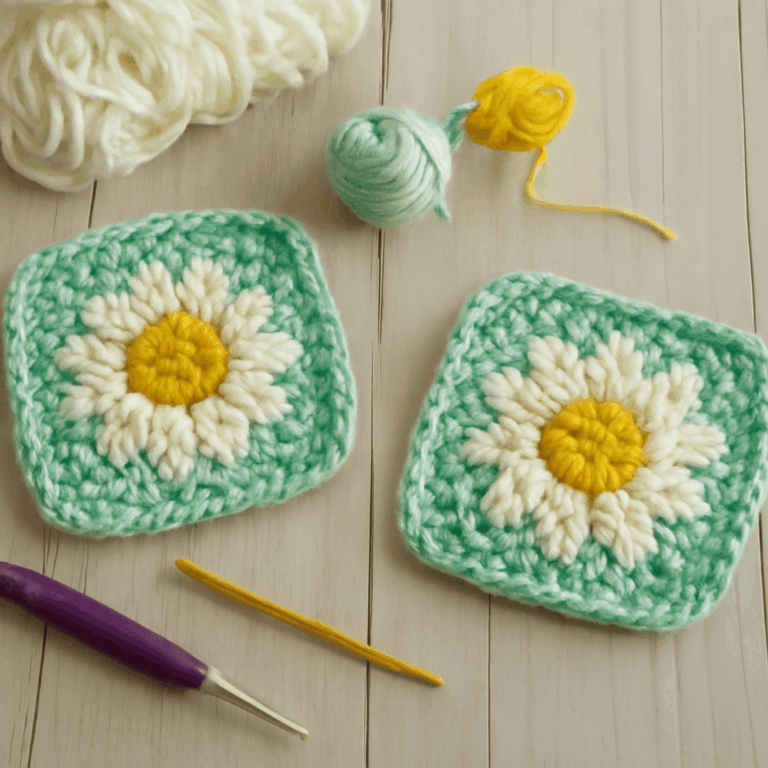
Next Steps: Continue practicing your slip stitches by incorporating them into small projects such as coasters or bookmarks. Gradually tackle more complex patterns as your confidence grows. Remember, the key to mastery is consistent practice and a willingness to explore new creative horizons.