
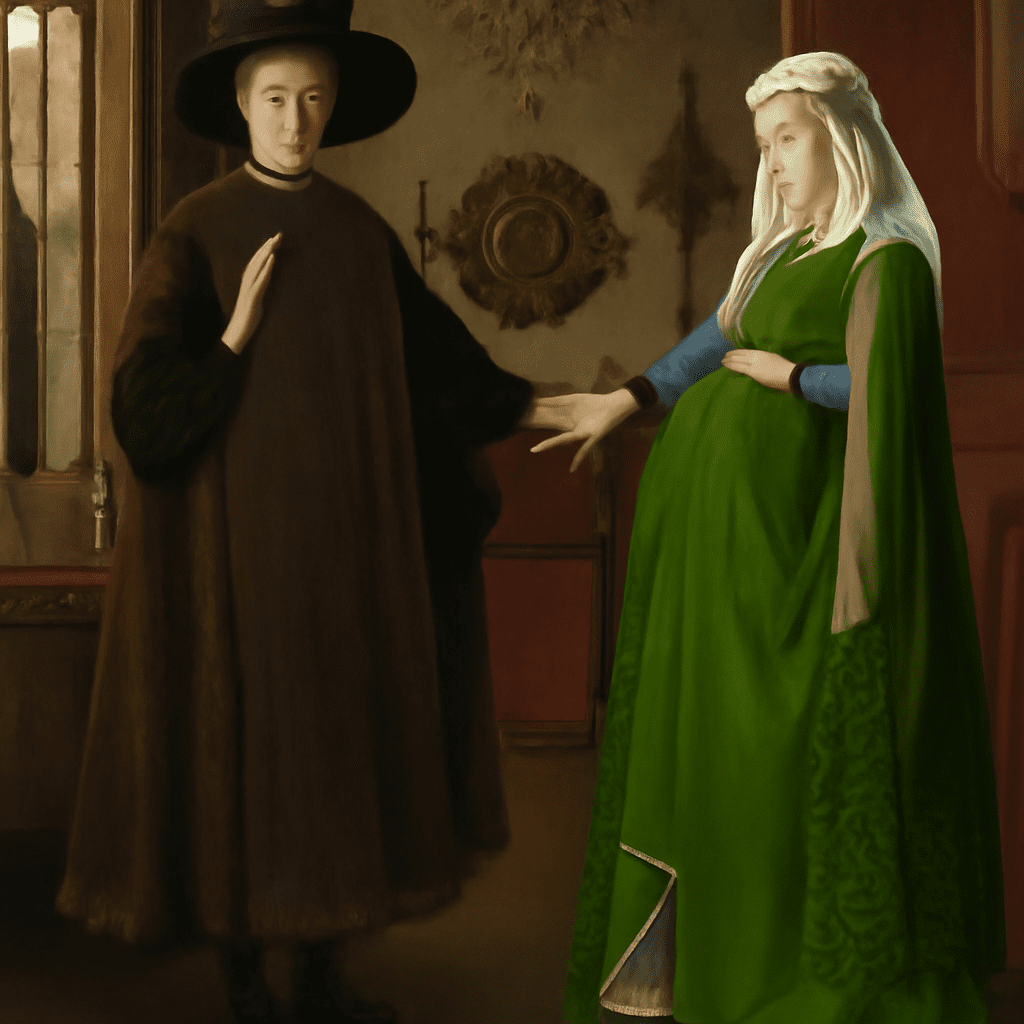
Art enthusiasts, historians, and casual viewers alike have marveled at The Arnolfini Wedding, a masterpiece that captures the essence of 15th-century artistry. This iconic painting, also known as the Marriage of Arnolfini, invites viewers to unravel its intricate symbolism and historical context. By examining the Arnolfini Wedding Portrait, you not only explore the genius behind Jan van Eyck’s work but also understand its enduring impact on art history. Join this journey as we delve into the depths of this timeless creation.
Introduction to The Arnolfini Wedding
Overview of the Painting
The Arnolfini Wedding is a captivating oil painting that showcases a couple in a domestic setting, often identified as Giovanni Arnolfini and his wife. This artwork is celebrated for its attention to detail, where each element contributes to the overall narrative. As you examine the painting, notice the rich textures and vivid colors, hallmarks of Jan van Eyck’s meticulous craftsmanship. The depiction of everyday objects, from the ornate chandelier to the delicate reflection in the mirror, adds layers of meaning waiting to be interpreted.
Historical Context
Created in 1434, during the Northern Renaissance, The Arnolfini Wedding reflects the socio-cultural dynamics of its time. It was an era marked by a growing interest in humanism, the revival of classical learning, and advancements in artistic techniques. This landscape of change provided the backdrop for van Eyck’s revolutionary approach to painting. The merchants and wealthy patrons, like the Arnolfinis, played a crucial role in fostering this artistic growth. Understanding this context allows you to appreciate the artistic innovation and the social commentary embedded in the painting.
Decoding the Marriage of Arnolfini
Symbolism in the Details
Van Eyck’s Marriage of Arnolfini is a treasure trove of symbolic elements. The couple’s joined hands symbolize their union, while the single candle in the chandelier represents the presence of God witnessing their vows. The intricate mirror in the background not only reflects the scene but also suggests the dual nature of reality and perception. As you explore these details, you uncover the layers of meaning that elevate this painting beyond a mere portrait to a complex narrative of marriage and faith.
Cultural Significance
This painting serves as a window into the cultural and religious beliefs of the 15th century. The depiction of objects like the fruit on the windowsill speaks to themes of fertility and prosperity, echoing the hopes and values of the era. By engaging with these cultural nuances, you gain insight into the worldviews and social customs that shaped the lives of the painting’s subjects and its creator. The Arnolfini Wedding Portrait thus stands as a cultural artifact, preserving the ethos of its time.
Jan van Eyck and The Arnolfini Wedding Portrait
Artist’s Influence and Style
Jan van Eyck is revered as a pioneering figure in the art world, known for his ability to render complex textures and intricate details with unparalleled precision. His use of oil paint allowed for a depth of color and subtlety that set new standards. In the Arnolfini Wedding Portrait, van Eyck’s style is evident in the lifelike portrayal of figures and the convincing depiction of light and shadow. This technique not only enlivens the scene but also underscores van Eyck’s influence on future generations of artists.
Legacy in Art History
The legacy of The Arnolfini Wedding is profound, influencing both contemporaries and later artists. Its innovative use of perspective and symbolism has been studied and emulated over centuries. As you reflect on this painting, consider its impact on the evolution of portraiture and narrative art. Van Eyck’s ability to merge technical skill with storytelling continues to inspire artists, securing his place in the annals of art history.
Analyzing Van Eyck’s Arnolfini Wedding Techniques
Use of Light and Shadow
An exploration of van Eyck’s technique reveals his masterful use of light and shadow. The subtle interplay between these elements brings a three-dimensionality to the painting, enhancing its realism. Notice how light filters through the window, illuminating textures and creating a poignant atmosphere. This deliberate manipulation of light draws your eye to focal points, guiding your interpretation of the scene.
Innovative Perspective
Van Eyck’s innovative approach to perspective is another hallmark of his artistry. The spatial arrangement, with its careful consideration of viewpoints, creates a sense of depth that immerses you in the scene. By incorporating a convex mirror, van Eyck introduces a secondary perspective, challenging your perception and inviting deeper engagement. This clever use of perspective not only enhances the visual experience but also demonstrates van Eyck’s ingenuity and foresight.
Conclusion: The Lasting Impact of The Arnolfini Wedding
As you reflect on The Arnolfini Wedding, you recognize it as more than an artwork; it is a testament to Jan van Eyck’s visionary brilliance. The intricate symbolism, cultural insights, and technical mastery encapsulated in this painting continue to captivate and educate. Through its enduring legacy, the Marriage of Arnolfini stands as a timeless inspiration, inviting each viewer to discover their own interpretations and insights. This masterpiece remains a beacon of artistic excellence and historical significance, forever enriching the tapestry of art history.