


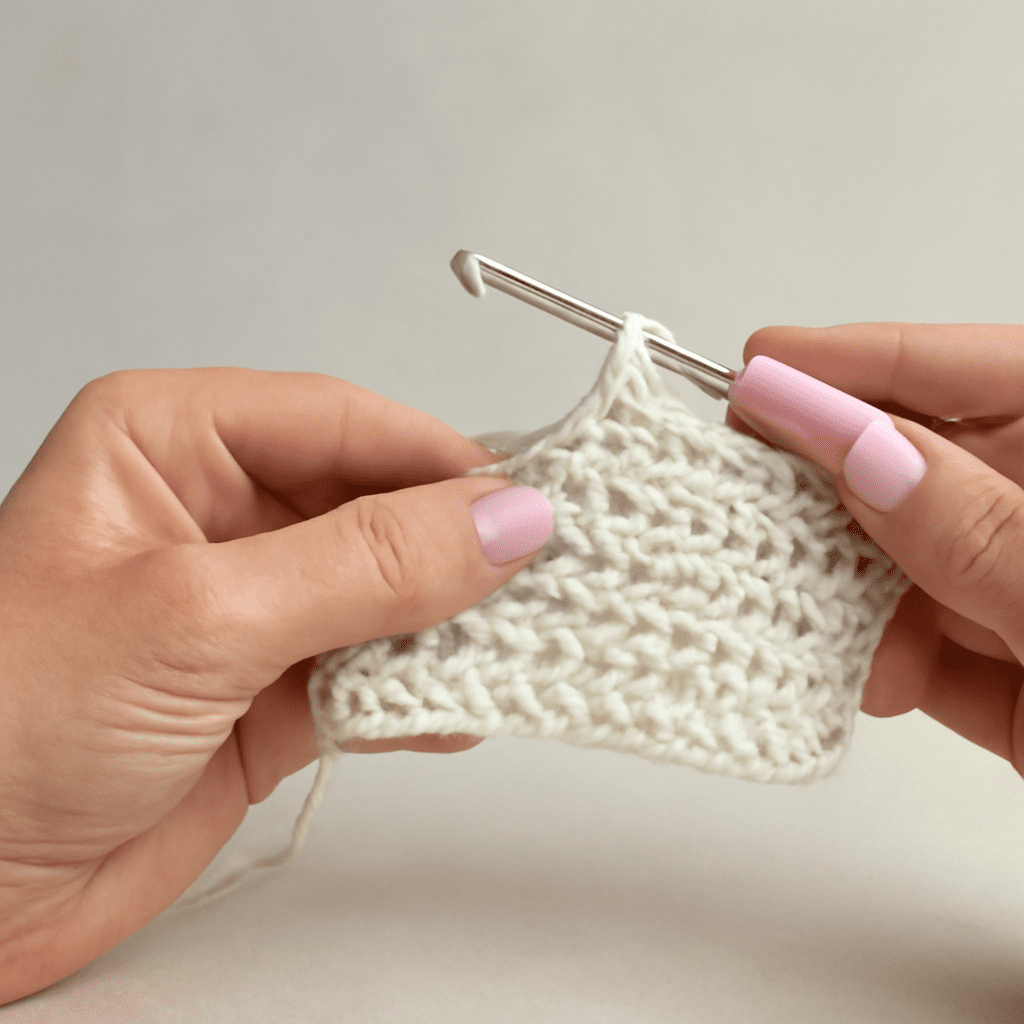
Crocheting for beginners can seem daunting at first, with a whirlwind of yarns and hooks. But once you unravel the basics, it’s your gateway to creativity. This guide will equip you with the crochet basics, allowing you to create beautiful projects with ease. Whether you’re crafting a scarf or a blanket, mastering the basics will set you on the path to becoming a skilled crocheter. Follow our step-by-step guide as we explore the art of crocheting, ensuring you have all the tools and methods needed for success.
Introduction to Crocheting for Beginners
Starting your crocheting journey requires an understanding of the essential techniques and a bit of patience. As a beginner, your primary goal is to familiarize yourself with the crochet basics. This includes grasping simple stitches and identifying the right tools. With practice, you’ll turn these basics into your creative playground, where endless possibilities await.
Crochet Basics: Tools and Materials You Need
Before diving into crocheting, gather the necessary tools. A crochet hook is fundamental; sizes vary depending on the type of yarn and the project. Begin with a medium-sized hook, such as a size G or H, for versatility. Yarn is equally crucial. Choose a worsted weight yarn for your first projects—it’s easy to handle and comes in various colors.
Additionally, keep a pair of scissors and a tapestry needle handy. These help in cutting yarn and weaving in ends, respectively. Having the right crochet materials at your disposal ensures you start off smoothly. Take time to feel the yarn and understand how it interacts with your hook, forming loops and stitches.
Crochet Step by Step: Learning the Fundamental Stitches
The foundation of crocheting lies in mastering basic stitches. Begin with the chain stitch, which forms the backbone of most patterns. Practice making chains until they’re uniform. Once comfortable, progress to the single crochet stitch, which builds directly on the chains. You create them by inserting your hook into a stitch, yarn over, and pulling through loops.
Another important stitch is the double crochet, which adds height and texture to your work. Though it may seem challenging at first, repetition is key in making these stitches second nature. As you practice, your hands will find a rhythm, and you’ll be able to follow our crochet step by step guide with ease.
Tips and Tricks for Successful Crocheting
Consistency is vital in crocheting. Ensure your tension remains steady; too tight, and your work is rigid, too loose, and it’s floppy. Adjust your grip on the yarn and hook frequently to find what’s comfortable. Don’t hesitate to unravel stitches that don’t look right; it’s all part of the learning process.
Use stitch markers to keep track of your rows, especially in larger projects. They save time and prevent mistakes. Set aside regular time for practice; even 15 minutes a day can significantly improve your skills. Remember, successful crocheting comes with experience, patience, and the desire to learn.
Advanced Techniques: Beyond Crochet Basics
Once familiar with the crochet basics, explore advanced techniques like the half-double crochet or shell stitches. These add complexity and beauty to your projects. Try working with different yarn textures and thicknesses to challenge your skills further.
Experiment with patterns and designs, allowing your creativity to flourish. Joining crochet communities online can provide inspiration and support, helping you to refine techniques and learn new ones. As you grow more confident, you’ll find joy in the intricate details and nuances of crocheting.
Final Thoughts: Your Crochet Guide to Mastery
Embarking on the crochet journey transforms how you approach creative tasks. The skills you develop extend beyond crafting; they teach patience, precision, and perseverance. While mastering crochet basics is the first step, continuous learning keeps your creativity alive.
As you advance, remember to revisit fundamental techniques, ensuring a solid foundation. Let your crochet practice evolve, incorporating new materials and patterns. With each completed project, you’ll find satisfaction and pride in your craft.
Next steps: Maintain a regular crochet practice, setting goals for new projects. Continuously challenge yourself with complex patterns and new stitches. Share your creations with others, gaining feedback and inspiration. Keep exploring the vast world of crocheting, nurturing your skills and creativity.