


In a fast-paced world where technology often overshadows traditional crafts, hand weaving stands as a beacon of timeless artistry. This craft, deeply rooted in history, enables you to create intricate designs and patterns that are both functional and beautiful. The art of weaving not only allows you to explore your creativity but also connects you with a rich tapestry of cultural heritage. If you’re interested in weaving techniques and history for beginners, this guide will provide you a comprehensive overview to start your weaving journey.
Beginning your endeavor in weaving can seem daunting, but with the right tools and materials, you’ll soon find yourself immersed in this hands-on art form. Whether you’re drawn to the ancient weaving techniques or wish to master the skill of creating patterns with weaving, there is a unique satisfaction in producing something handmade. Discover the history of weaving and learn how to weave cloth by hand, exploring advanced methods as you gain confidence and skill in the craft.
Introduction to Weaving
What is Weaving?
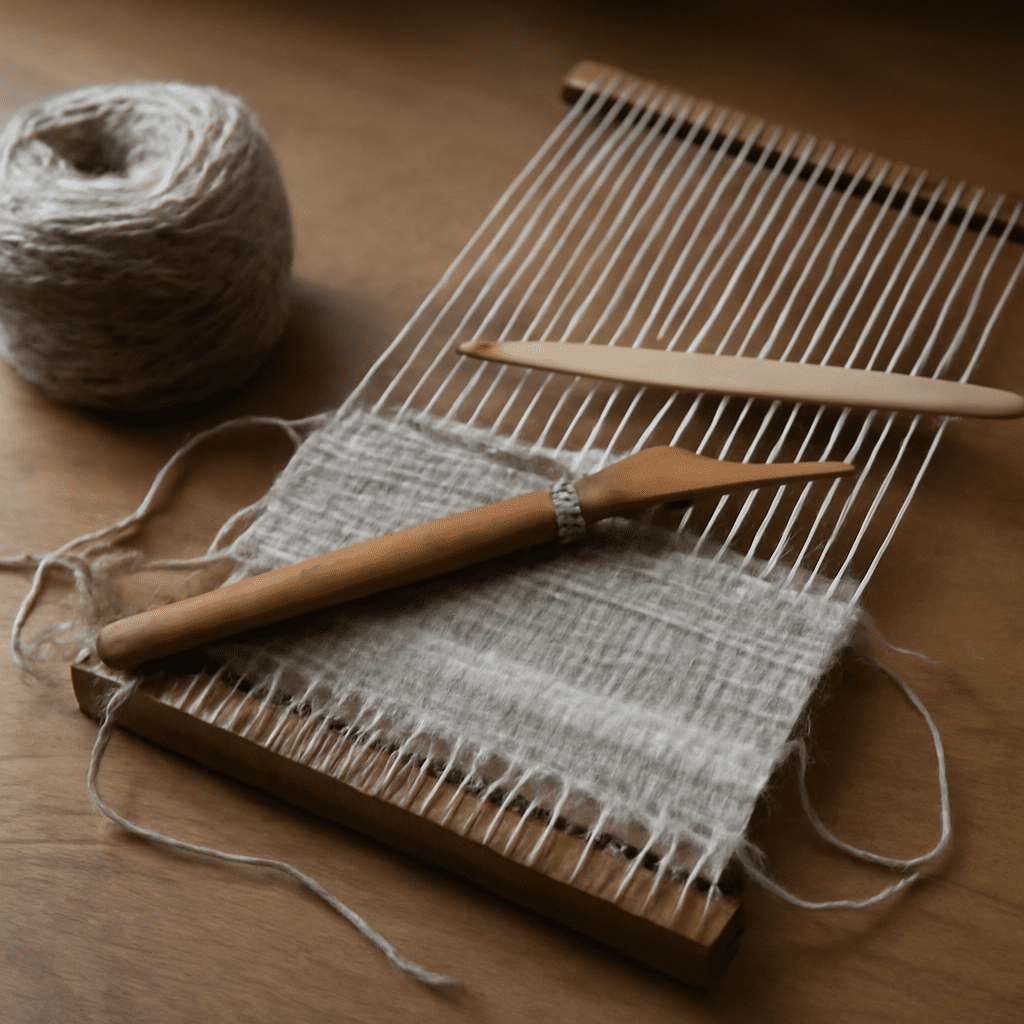
Weaving is the process of interlacing two sets of yarns or threads to create a fabric. This can be achieved on a variety of looms, from simple frames to complex machinery. The most basic form involves a warp and weft, where the warp threads are held taut while the weft threads are woven over and under them.
Why Weaving Matters
Weaving matters because it is more than just making fabric; it’s a gateway to creativity and personal expression. Through weaving, you can experiment with textures, colors, and patterns. Moreover, it allows you to embrace sustainable practices by using natural and recycled materials, fostering a deeper appreciation for the effort involved in creating textiles.
The History of Weaving
Ancient Weaving Techniques
The history of weaving dates back to ancient civilizations, each contributing unique techniques. From the intricate patterns found in Egyptian textiles to the vibrant colors of Andean weavings, these ancient methods have laid the foundation for modern practices. By studying these techniques, you gain insight into the cultural significance and evolution of weaving through ages.
Evolution of Weaving Through Ages
As centuries passed, weaving evolved from a necessity to an art form. The Industrial Revolution introduced machines that transformed the textile industry. However, the essence of hand weaving persists, thriving in a world that values craftsmanship and personalization. Understanding the evolution of weaving grants you a rich perspective on how traditional practices have adapted and endured.
Getting Started with Hand Weaving
Essential Tools for Beginning Weaving
To start weaving, you need fundamental tools such as a loom, shuttle, heddles, and reed. These tools help you manipulate the warp and weft threads to create fabric. As you become more skilled, you might explore additional tools to enhance your proficiency and expand your weaving techniques repertoire.
Choosing the Right Materials
Materials play a crucial role in the outcome of your weaving projects. Selecting the right yarns and threads affects the texture, durability, and appearance of the fabric. Experiment with different fibers like cotton, wool, and silk to discover how each material interacts with your designs, enabling you to tailor your projects to specific needs.
Mastering Weaving Cloth
Basic Weaving Techniques
The core of weaving is mastering techniques like plain weave, twill, and satin. These basic methods form the foundation of more complex patterns, offering numerous design possibilities. By practicing these techniques, you develop a strong base and the confidence to explore the art of creating patterns with weaving cloth.
Creating Patterns with Weaving
Pattern creation in weaving allows you to express individuality through fabric design. You can use color variations, thread thickness, and weave structures to produce intricate motifs and textures. As you delve deeper, try incorporating traditional patterns from various cultures to add diversity to your work.
Advanced Weaving Techniques
Exploring Complex Designs
Once you are comfortable with basic techniques, challenge yourself with complex designs such as double weave, tapestry, and jacquard. These advanced methods offer endless opportunities for creativity, pushing the boundaries of what you can achieve with yarns and threads.
Tips for Improving Your Weaving Skills
To enhance your weaving skills, practice regularly and seek feedback from experienced weavers. Join weaving communities where you can share ideas and solutions to common challenges. Experiment with different yarns and techniques to expand your knowledge and abilities, continually refining your craft.