

Engaging in acrylic painting on canvas can be a transformative experience for beginners eager to explore their creative potential. Painting techniques acrylic enthusiasts often rely on are not only versatile but also forgiving, allowing you to correct mistakes with ease. If you’re new to acrylic painting techniques, understanding the basics can set the foundation for your artistic journey and help you master acrylic techniques on canvas.
This article will guide you through essential acrylic painting methods, from fundamental strokes to advanced techniques, ensuring you have the right tools and knowledge to succeed. Dive into the world of acrylics and unlock your artistic potential with these expert tips.
Getting Started with Acrylic Painting on Canvas
Choosing the Right Canvas
Before you start painting, selecting the appropriate canvas is crucial. For beginners, a pre-stretched and primed canvas is ideal. This type of canvas provides the necessary surface for applying acrylic painting techniques for beginners. Consider the texture of the canvas (its “tooth”) as it influences how the paint adheres and the overall look of your artwork. A medium-textured canvas often offers a good balance for various acrylic techniques on canvas.
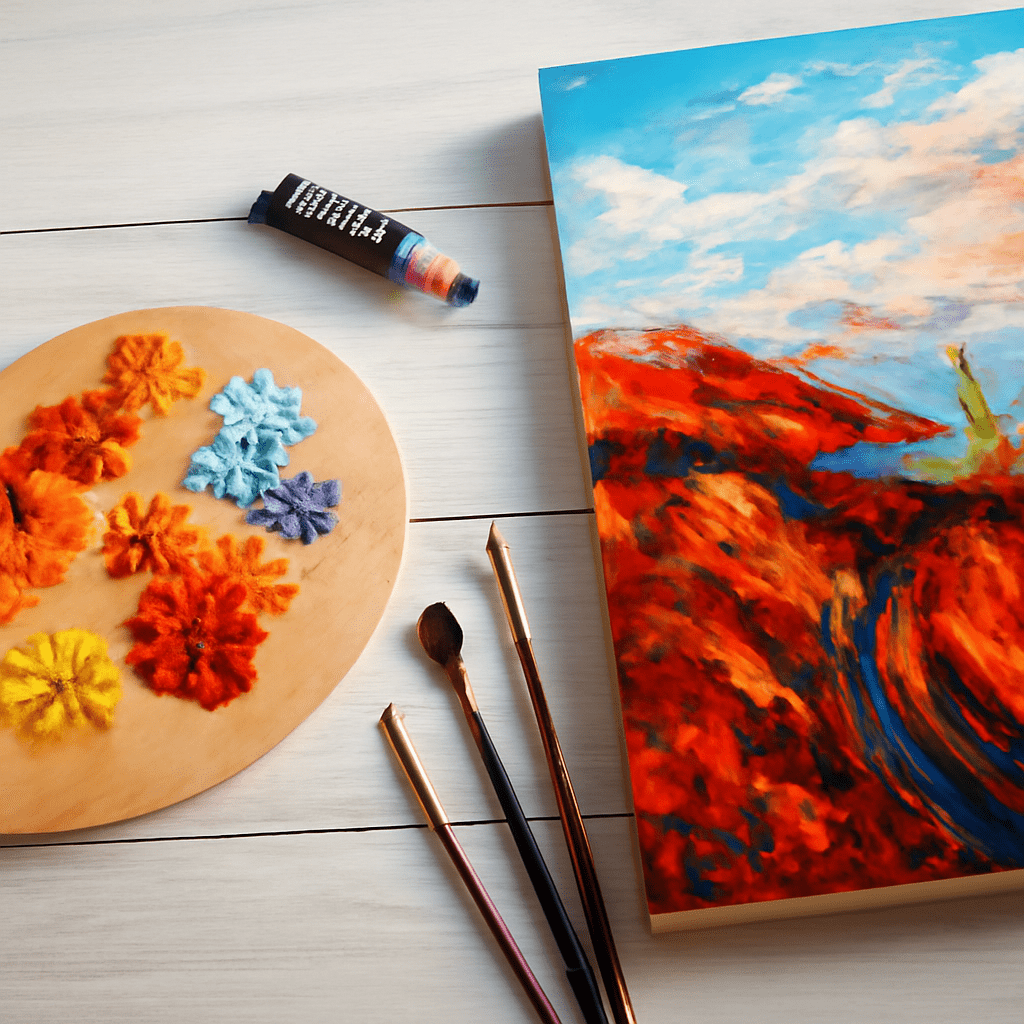
Essential Acrylic Painting Supplies Equipping yourself with the right supplies is vital to mastering acrylic painting on canvas. Basic supplies include a selection of brushes—flat and round shapes are particularly useful—palette knives, a palette for mixing, and a spray bottle for keeping paints moist. Additionally, having a variety of acrylic paints in primary colors allows you to mix and create a spectrum of shades. Don’t forget to include mediums and additives that can modify the paint’s consistency and finish.
Fundamental Acrylic Techniques for Beginners
Understanding Basic Strokes
Mastering basic brush strokes is a cornerstone of learning acrylic painting techniques. Experiment with flat washes, where you apply a uniform color layer, and explore dry brushing for texture. By varying your grip and pressure, you can create different effects and lines, essential for developing your unique style.
Layering and Blending Techniques
Layering paints adds depth to your work. Start by applying a base color, then gradually build up layers to create richness and dimension. Blending is key to achieving smooth transitions between colors. Practice blending while the paint is still wet, using a clean brush to feather the edges and create seamless gradients.
Advanced Painting Techniques Acrylic Enthusiasts Love
Creating Texture and Depth
To add complexity to your pieces, experiment with texture. Use a palette knife to apply thick paint layers, or mix in texture mediums. This method can give your work a three-dimensional effect, capturing viewers’ attention and adding intrigue to your acrylic painting on canvas.
Using Additives and Mediums
Acrylic mediums and additives can drastically change your painting’s outcome. Gloss mediums enhance shine, while matte mediums reduce it. Gel mediums can thicken paint, allowing you to sculpt and layer more effectively. Experiment with these to discover the various effects they can produce in your work.
Tips for Painting with Acrylics on Canvas
Maintaining Your Brushes
Proper brush care is essential for longevity and performance. Clean your brushes immediately after use with water and mild soap to prevent acrylic paint from hardening in the bristles. Store them with the bristles facing up or horizontally to maintain their shape.
Preserving Your Artwork
To protect your finished acrylic painting on canvas, consider applying a varnish. Varnishing creates a protective layer against dust, UV rays, and humidity, ensuring the longevity of your work. Choose between matte, satin, or gloss finishes depending on your desired look, and apply evenly for best results.