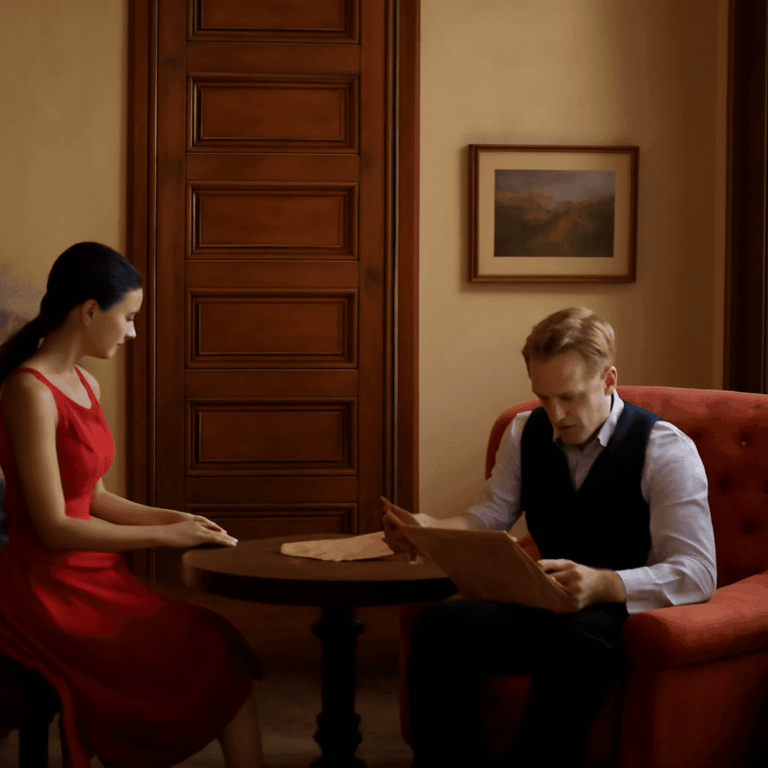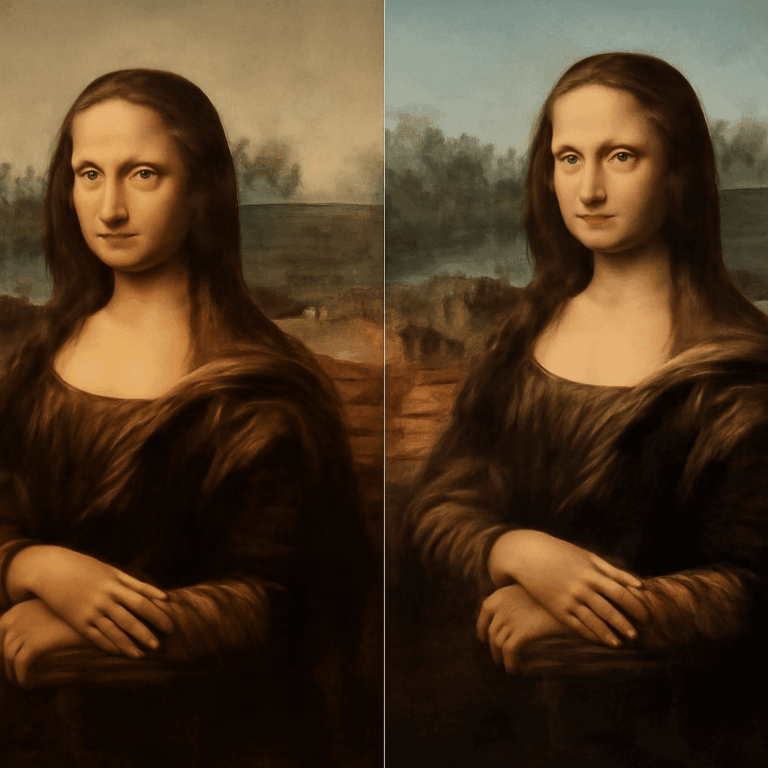


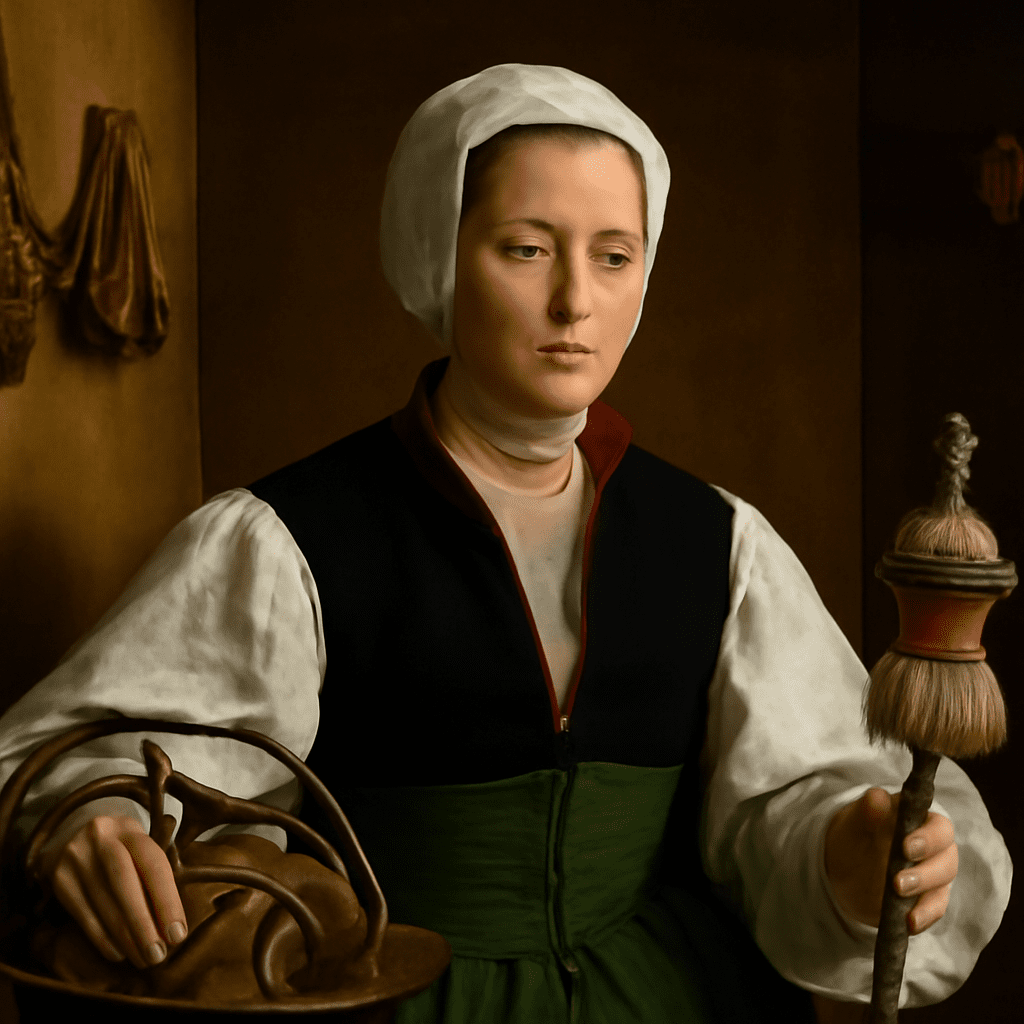
In the golden age of art, the Dutch Masters have left an indelible mark on art history with their meticulous attention to detail and mastery of light. The iconic Dutch masters painting is renowned for capturing the essence of everyday life with unparalleled precision. As you delve into this world, you’ll discover the techniques that defined the era and appreciate how these artists have shaped modern art.
By understanding the artistry behind Dutch master paintings, you can gain insight into not just the artists themselves but the society in which they thrived. This guide will take you through the luminous journey of Dutch Masters painters, unveiling their secrets and legacy.
Introduction to the Dutch Masters
The Era of the Dutch Masters
During the 17th century, the Netherlands experienced a cultural boom, known as the Dutch Golden Age. This period was marked by prosperity and a flourishing art scene. The Dutch Masters painters emerged as key figures, whose work transcended the time in which they lived. Their art portrayed the richness of contemporary life and the natural world with a fresh, observational approach.
Key Characteristics of Dutch Master Paintings
Key to these paintings is their profound use of realism and attention to light and shadow. The Dutch Masters employed meticulous techniques to create lifelike representations, often focusing on everyday scenes and people. Their paintings are distinguished by their detailed textures, dynamic compositions, and masterful use of perspective.
Famous Dutch Masters Painters
Rembrandt van Rijn
Rembrandt, one of the most influential artists of this era, is celebrated for his self-portraits and evocative biblical scenes. His use of chiaroscuro—contrasting light and shadow—imbues his work with emotional depth. When you observe a Rembrandt, notice the subtle play of light on faces, bringing characters to life.
Johannes Vermeer
Known for his serene depictions of domestic life, Vermeer’s paintings capture the beauty of the mundane. His precise use of light creates a luminous quality, drawing you into quiet, intimate moments. Vermeer’s ability to infuse scenes with a soft glow is a hallmark of Dutch master paintings.
Frans Hals
Frans Hals is renowned for his lively portraits and group scenes, capturing the vivacity of his subjects with a loose, fluid brushwork. The spontaneity in Hals’s paintings makes them particularly engaging, as he expertly conveys the character and spirit of his sitters.
The Techniques Behind Dutch Master Paintings
Use of Light and Shadow
The strategic use of light and shadow, or chiaroscuro, is pivotal in Dutch master paintings. This technique adds depth and three-dimensionality, making figures and objects emerge with a lifelike presence. By manipulating light, artists like Rembrandt created drama and emotion that draw you into the narrative.
Composition and Perspective
Compositional techniques in Dutch master paintings often involved arranging elements to guide the viewer’s eye through the canvas. With the innovative use of perspective, artists created a sense of space and depth. These techniques were crucial in crafting the realistic scenes that define the Dutch Masters.
Color and Texture
The Dutch Masters skillfully used color and texture to enhance the realism of their scenes. Through careful blending and layering of paints, they achieved rich textures and subtle color variations. This attention to detail, whether in the intricate folds of fabric or the ancient wood of a table, gives their work an unparalleled level of authenticity.
The Legacy of the Dutch Masters
Influence on Modern Art
The impact of the Dutch Masters on modern art is profound. Their innovative techniques in light, realism, and composition have inspired countless artists. You can see echoes of their style in the works of Impressionists and even contemporary realists, who continue to draw from their mastery.
Preservation of Dutch Master Paintings
Preserving the works of Dutch Masters is essential for future generations. Conservation efforts focus on maintaining the integrity of these paintings, ensuring that their colors and textures remain vibrant. By visiting museums, you can witness the meticulous care taken to preserve these masterpieces.
How to Appreciate Dutch Master Paintings
Visiting Art Galleries
To truly appreciate the artistry of the Dutch Masters, visiting art galleries is essential. In these spaces, you can experience the scale, texture, and subtlety of their work firsthand. Observing brushstrokes up close reveals the technical prowess and emotion that photographs often fail to capture.
Understanding Art Criticism
Engaging with art criticism can deepen your understanding of Dutch master paintings. By reading critiques and analyses, you can learn about the context in which these works were created, their symbolism, and the techniques employed. This knowledge enhances your appreciation and allows you to view the paintings through a new lens.