

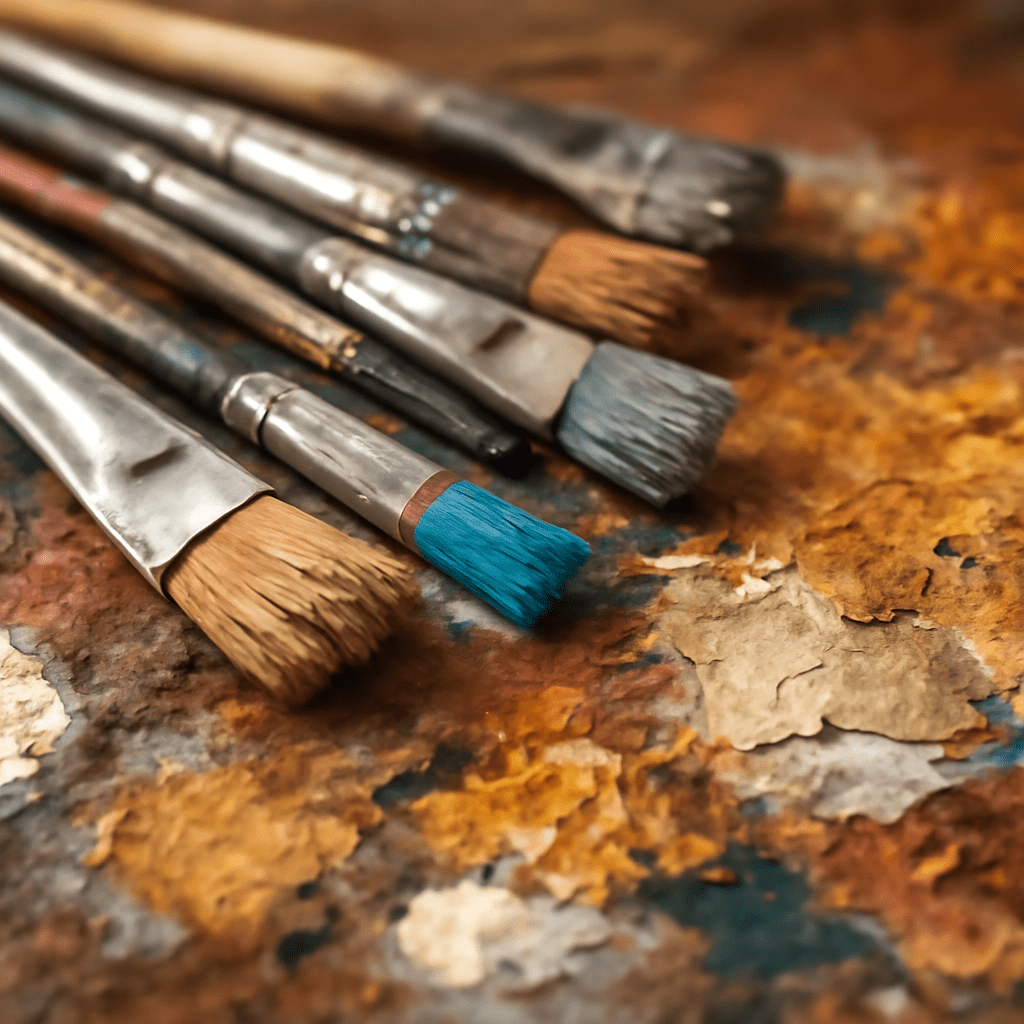
Embarking on your journey to learn how to start oil painting can be both exciting and daunting. You might wonder where to begin and how to tackle the vast array of options that lay before you. Fortunately, by breaking down the fundamentals, you can transform the seemingly complex process into an enjoyable and manageable experience. In this guide, we’ll explore some essential tips for oil painting beginners, making your initial steps into beginner oil painting both smooth and rewarding.
Understanding how to do oil painting involves selecting the right tools, setting up an efficient workspace, and grasping key techniques. With patience and practice, you can gain the confidence needed to create your own masterpieces.
Getting Started with Oil Painting
Choosing the Right Supplies To effectively learn how to do oil painting, having the right supplies is crucial. Invest in quality brushes, as they will greatly impact the texture and finish of your work. Opt for a range of sizes and shapes, including flat, round, and filbert. High-quality oil paints are essential; student-grade paints are suitable for beginners, but artist-grade paints offer richer pigments.
A sturdy easel is another must-have, providing stability and comfort as you paint. Don’t forget your palette for mixing colors and a palette knife, which can be invaluable for blending and applying paint in unique textures.
Setting Up Your Workspace
Your workspace should be well-lit and ventilated, ensuring you can see your colors accurately and work safely. Arrange your supplies within easy reach, and cover your surfaces to protect them from spills. Keep a jar of turpentine or odorless mineral spirits nearby for cleaning brushes, and use a rag or paper towels for wiping excess paint.
Having a dedicated space for painting helps maintain focus and fosters creativity. Make sure it is organized to minimize distractions and allows you to immerse yourself fully in the process.
Essential Techniques for Beginners
Understanding Brushwork Brushwork is fundamental to how to start oil painting. Different strokes create varying effects, from broad, sweeping motions to delicate, detailed lines. Practice using your brush’s edge for sharp lines and the flat side for broader coverage. Experiment with pressure and speed to see how they affect your brushstrokes.
Try different techniques such as scumbling, where a dry brush is used to create a broken color effect, or impasto, where thick layers of paint are applied for texture. These methods add depth and interest to your art.
Color Mixing Basics
Color mixing is both an art and a science. Begin by familiarizing yourself with color theory: primary, secondary, and tertiary colors. Learn to mix a limited palette to create a wide range of hues, enhancing your understanding of how colors interact.
Use your palette knife to blend colors thoroughly, avoiding muddy mixtures. Test your mixed colors on a separate canvas or paper to check their accuracy, adjusting as needed before applying them to your work.
Step-by-Step Guide: How to Start Oil Painting
Preparing Your Canvas
Before starting your beginner oil painting, prepare your canvas by applying a coat of gesso. This primes the surface, ensuring your paint adheres well. Allow it to dry completely before proceeding.
Sketching Your Design
Begin with a light sketch of your design using a pencil or charcoal. This preliminary outline serves as a guide and helps maintain proportions throughout the painting process.
Applying the First Layer
Your first layer should be a thin, transparent wash of paint to establish the basic composition and color scheme. This foundational layer sets the tone for the rest of your work, allowing you to build up depth and detail with subsequent layers.
Troubleshooting Common Issues
Dealing with Drying Time
Oil paintings can take days to weeks to dry completely. To accelerate drying, use fast-drying mediums like alkyd. Be mindful of humidity and temperature, which can also affect drying times.
Fixing Mistakes
Errors happen, but they’re fixable. For minor mistakes, carefully wipe or scrape off the paint with a palette knife or cloth. For larger errors, wait for the paint to dry before painting over it.
Tips and Tricks for Oil Painting Beginners
Explore different surfaces such as canvas, wood, or paper to see which you prefer. Remember, experimentation is key to developing your style. Regular practice hones your skills and boosts your confidence.
Join art classes or communities to share experiences and gain insights from fellow artists. This interaction is invaluable for growth and inspiration.
Bottom line: Learning how to start oil painting is an enriching endeavor that requires patience and perseverance. By equipping yourself with the right knowledge and tools, you can turn your creative visions into reality. Embrace the journey, and let your passion for art flourish.