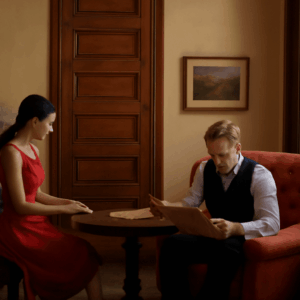

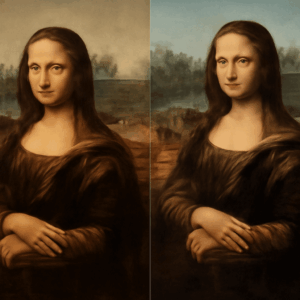
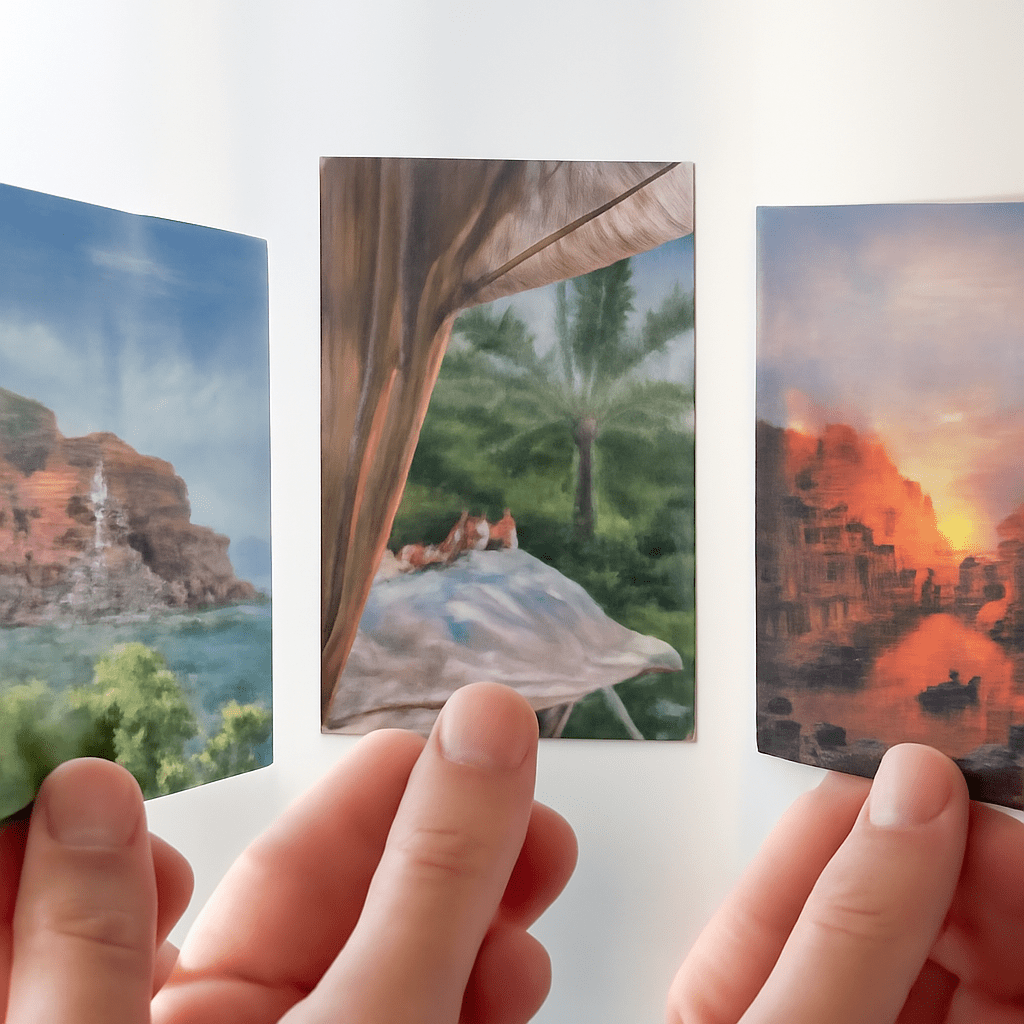
Are you looking to add a new dimension to your visual artistry? Lenticular pictures offer a unique way to captivate your audience with mesmerizing depth and motion effects. Although the process of creating lenticular images may seem complex at first, the results are well worth the effort. By understanding the nuances of lenticular prints, you can transform flat images into dynamic works of art that engage viewers like never before.
In this guide, we’ll explore the exciting world of lenticular photography, from the science behind lenticular prints to practical steps for crafting your own. Whether you’re a seasoned photographer or just beginning to experiment, mastering these techniques will open up a realm of creative possibilities.
Understanding Lenticular Pictures
What Are Lenticular Images?
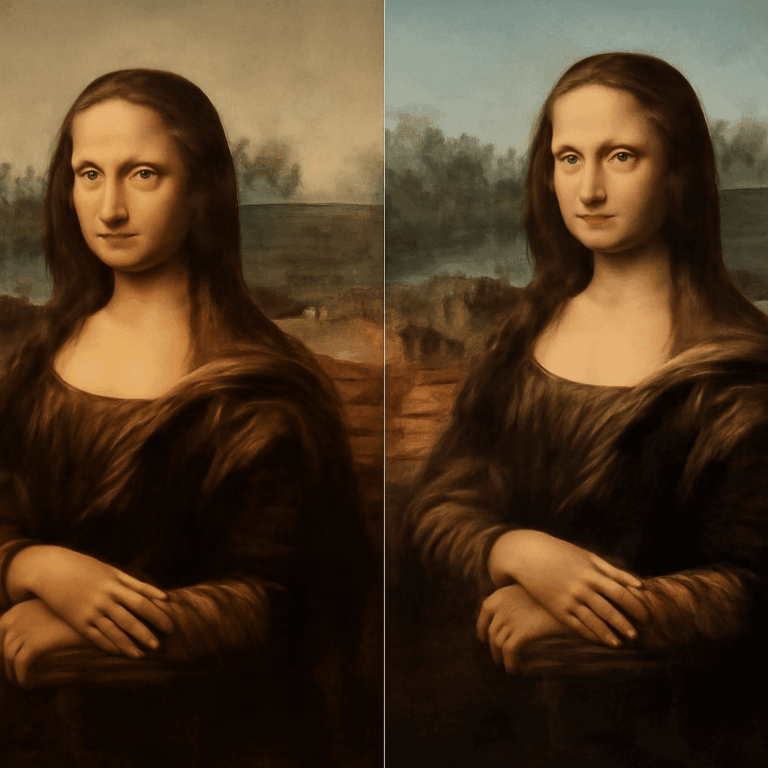
Lenticular images are printed visuals that create an illusion of depth or motion when viewed from different angles. This is achieved through a special process that interlaces multiple images and uses a lenticular lens to separate and project them. As you change your viewing angle, the images shift, providing a dynamic experience that goes beyond traditional prints.
The Science Behind Lenticular Prints The magic of lenticular prints lies in their unique lens technology. These lenses are composed of tiny, cylindrical lenses that refract light in specific ways. This refraction allows different images to reach each eye, creating the perception of depth or motion. By precisely aligning the lenses with the interlaced images, you can create either 3D effects or animations that appear to move as you look at them from various perspectives.
Creating Stunning Lenticular Prints
Essential Tools for Lenticular Image Creation
To start making your own lenticular images, you’ll need some essential tools. First, you’ll require software capable of interlacing multiple images into a single lenticular file. Popular options include Adobe Photoshop and specialized lenticular software like 3D Lenticular. Additionally, a high-quality printer and lenticular lens sheets are crucial to achieving professional results.
Step-by-Step Guide to Making Lenticular Pictures Creating lenticular pictures begins with choosing the right sequence of images. Consider the story you want to tell through motion or depth. Once you have your images, use software to interlace them, ensuring that each image layer aligns perfectly. Print the interlaced image onto a suitable medium, then carefully apply the lenticular lens. Proper alignment is key to ensure the effect works smoothly, so take your time with this process.
Applications and Popular Uses
Lenticular Prints in Advertising
In the world of advertising, lenticular prints are a powerful tool for catching the eye and delivering memorable messages. These prints can showcase multiple messages or images within the same space, making them ideal for billboards and point-of-sale displays. The dynamic nature of lenticular images allows brands to stand out in a crowded marketplace and effectively communicate their narrative.
Creative Uses of Lenticular Images
Beyond advertising, lenticular images have found a place in art galleries, movie posters, and packaging design. Artists use them to explore themes of time and movement, while collectors appreciate the novelty and interactivity they provide. Whether used for personal projects or commercial endeavors, the versatility of lenticular prints offers endless creative opportunities.
Tips for Perfect Lenticular Picture Outcomes
Common Mistakes to Avoid
When creating lenticular images, avoid common pitfalls such as misalignment of lenses and images, which can result in a blurry or ineffective effect. Ensure that your source images are of high quality and resolution to maintain clarity in the final product. Moreover, test your prints under various lighting conditions to confirm the visual effect remains consistent and impressive.
Enhancing Your Lenticular Prints
To enhance the impact of your lenticular prints, experiment with different types of movement and depth effects. Consider the viewing distance and angle when designing your images. Additionally, collaborate with experienced printers who specialize in lenticular technology, as their expertise can significantly enhance the quality of your final product. By refining these elements, you’ll create striking visuals that truly stand out.