
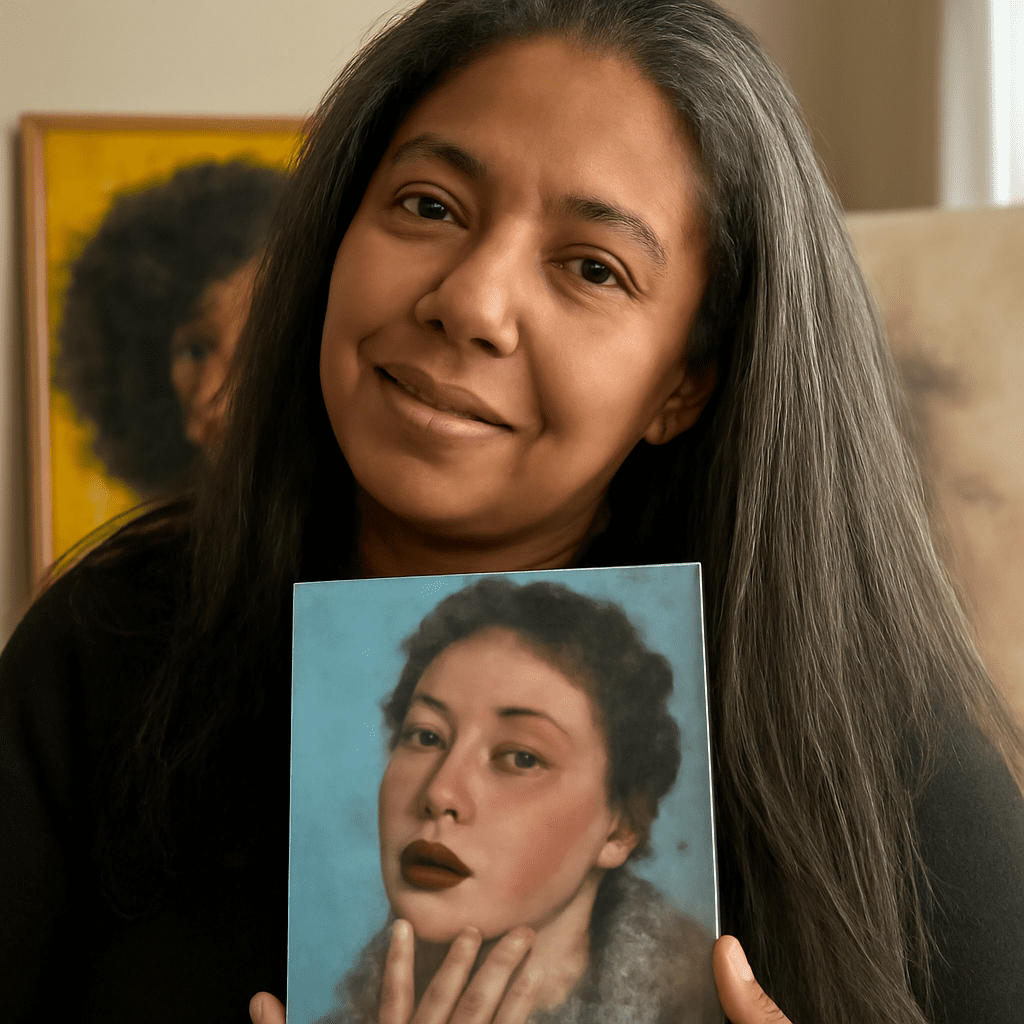
Creating a portrait is more than just replicating a face; it’s about capturing the essence of a person. The challenge lies in the vast array of portrait painting styles you can explore. Each style offers a unique lens through which you can express individuality and emotion. The solution? Understanding and mastering these styles can help you paint a portrait that not only resembles the subject but also tells their story.
In this guide, you will discover the diverse portrait painting styles and essential tools needed to start. You’ll learn how to paint a portrait and gain insights into overcoming common challenges. By immersing yourself in the techniques and resources provided, you’ll be equipped to delve into painting a portrait with confidence and creativity.
Understanding Different Portrait Painting Styles
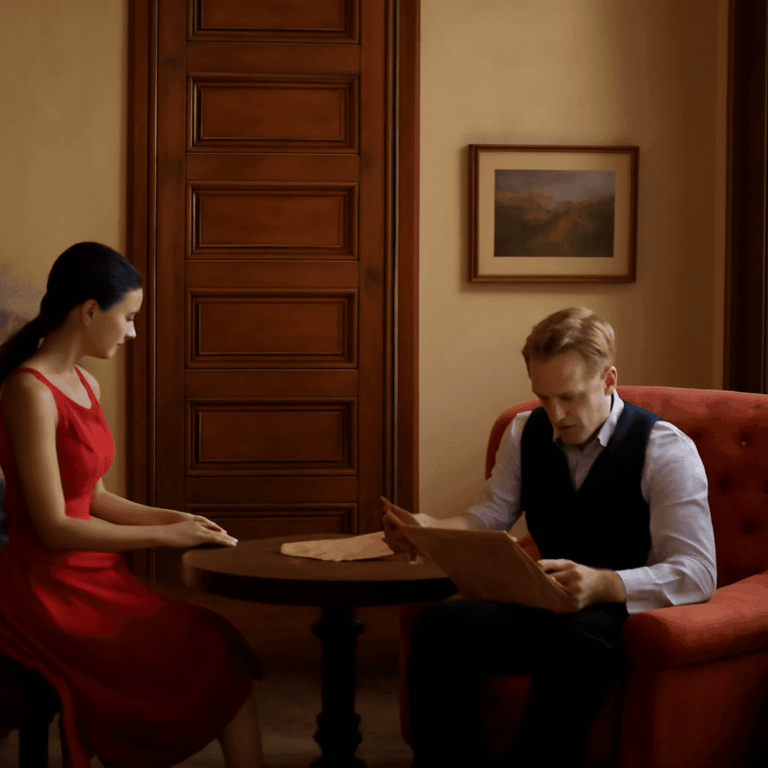
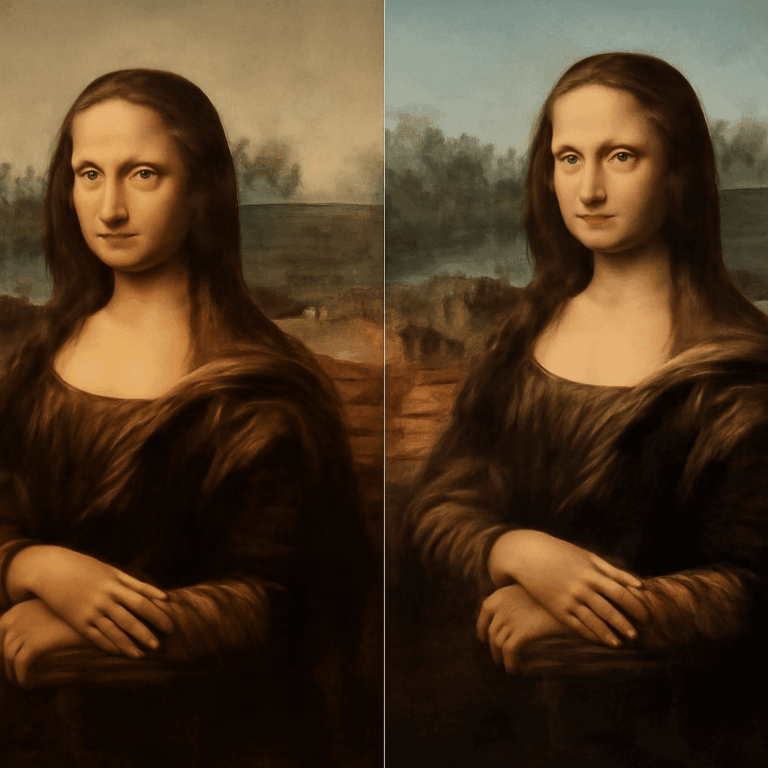
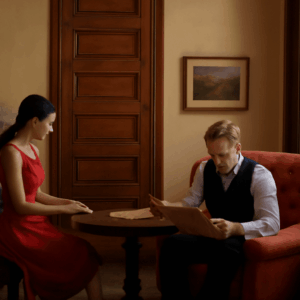
Portrait painting styles vary widely, from realism to abstract. Realism focuses on capturing the subject with photographic accuracy, emphasizing detail and precision. On the other hand, abstract and modern styles allow more freedom, using color and form to convey the subject’s essence rather than a literal likeness.
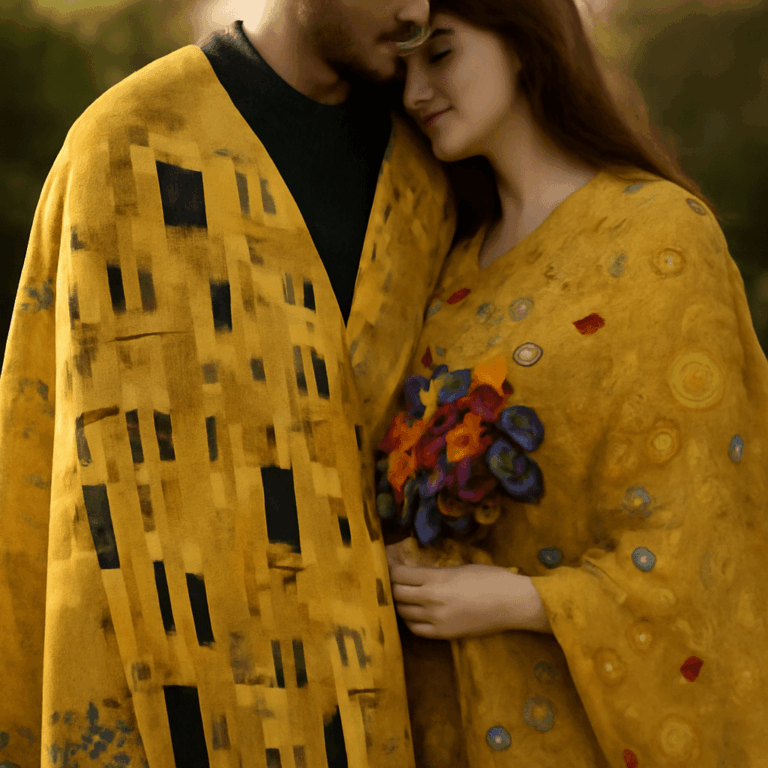
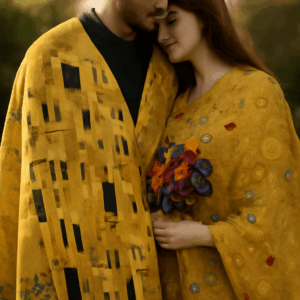
Impressionism is another popular choice, characterized by loose brushwork and vibrant colors. It captures the fleeting effects of light and movement. Expressionism takes a different approach, focusing on the emotional experience, often distorting the subject for dramatic effect. Exploring these different styles can help you find your unique voice in painting portraits.
Essential Tools and Materials for Painting a Portrait
To start painting a portrait, you’ll need a selection of quality tools and materials. High-grade brushes in various sizes will allow for detailed work and broader strokes. Canvas or good-quality paper serves as the groundwork for your masterpiece.
Investing in a range of paints, whether oil, acrylic, or watercolor, gives you flexibility in expression. A palette for mixing colors, easel for supporting your canvas, and a steady supply of clean water or solvent are also crucial. These essentials form the backbone of your creative toolkit, enabling you to bring your portrait painting styles to life.
Step-by-Step Guide on How to Paint a Portrait
Knowing how to paint a portrait involves several stages. Begin with a light sketch to outline the subject’s features, focusing on proportion and placement. Next, apply an underpainting to establish values and tones, which adds depth to your work.
Layering is key; build up skin tones and textures gradually. Pay special attention to highlights and shadows to create dimension. As you progress, refine details like the eyes and mouth, which are vital for capturing likeness. Finally, step back to assess your work, making adjustments to ensure harmony and balance across the composition.
Tips for Mastering the Art of Painting Portraits
Mastering the art of painting portraits requires practice and patience. Start by observing your subject closely, noting unique characteristics and expressions. Experiment with different portrait painting styles to find what resonates with your artistic vision.
Consistent practice is crucial. Set aside time each week to focus on your technique, utilizing various media and methods. Study the works of renowned portrait artists, analyzing their approach to composition and color. These practices will enhance your ability to paint a portrait that captures both likeness and emotion.
Common Challenges and How to Overcome Them
Painting a portrait can present several challenges, from achieving accurate proportions to rendering realistic skin tones. A common issue is getting caught in the details too early, which can hinder the overall flow of the painting. Start broad and refine gradually to overcome this hurdle.
Another challenge is color matching, especially for skin tones. Developing a keen eye for color nuances and practicing mixing techniques can greatly improve this skill. Don’t hesitate to step back and assess your work regularly, making necessary adjustments to maintain balance and cohesion in your portrait painting styles.
Inspiration and Resources for Aspiring Portrait Artists
Inspiration can come from many sources, whether it’s observing the works of master painters or drawing from everyday life. Visit galleries and museums to study diverse portrait painting styles in person. Online platforms also offer a wealth of resources, from tutorials to artist communities where you can share tips and get feedback.
Consider joining workshops or enrolling in classes to enhance your skills. These environments provide valuable learning opportunities and connect you with fellow artists. By actively seeking inspiration and resources, you’ll continually grow and evolve in your journey of painting a portrait.
Pro tips recap: Understand the variety of portrait styles and gather essential tools before you begin. Follow a structured approach, focusing on highlights and shadows to create depth. Regular practice and study of masters will hone your skills, while overcoming challenges will build your confidence. Finally, stay inspired through continuous exploration and connection with the art community.