


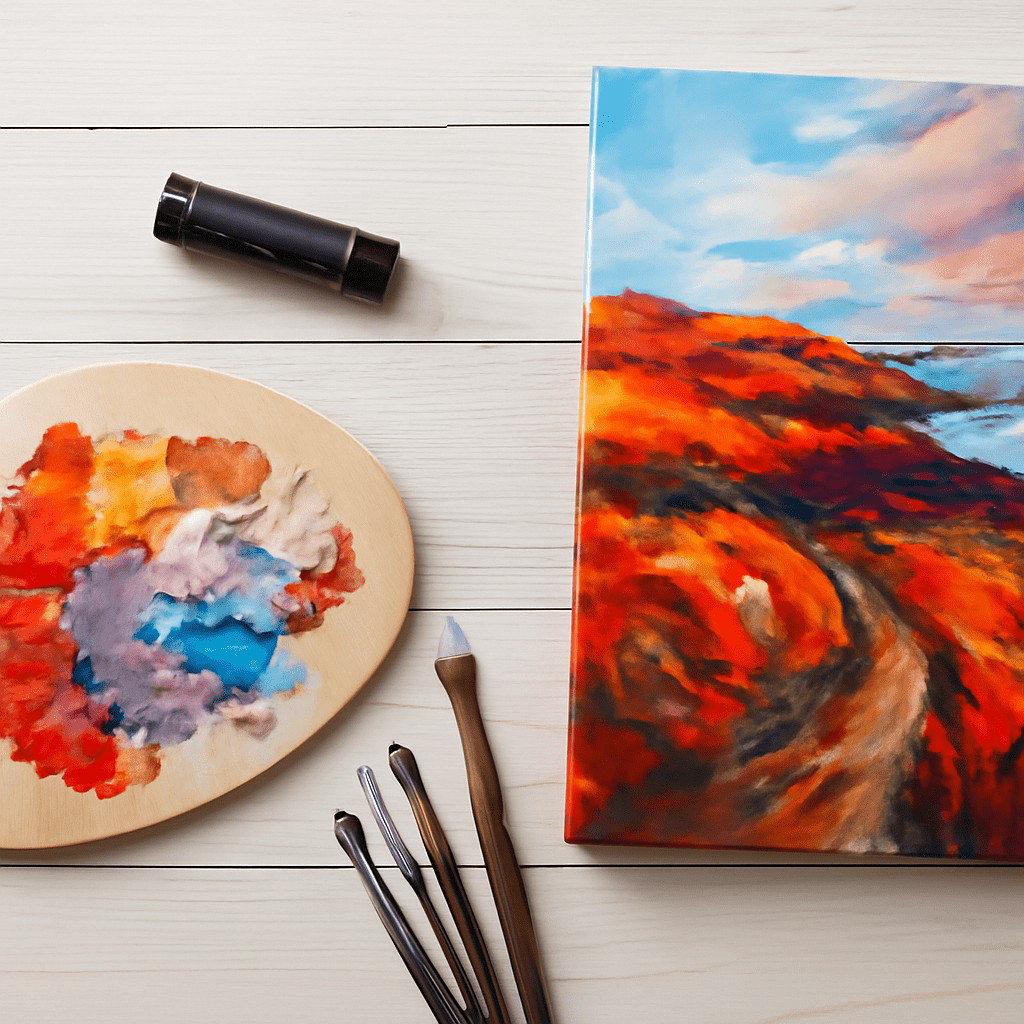
Starting your journey in acrylic painting may seem daunting at first. The challenge lies in mastering how to acrylic paint effectively. Fortunately, with the right guidance, you can quickly learn the acrylic painting basics and enjoy this vibrant medium. This guide is here to help you understand the essentials of painting in acrylics, offering techniques, tools, and tips to ensure you can confidently learn how to use acrylic paint on canvas.
From selecting the right supplies to perfecting your technique, you will discover how to transform your ideas into stunning works of art. Dive into the world of acrylics and unleash your creativity today!
Introduction to Acrylic Painting
Why Choose Acrylics?
Acrylics are favored by many artists for their versatility and quick-drying properties. They are ideal for those who want to complete a painting in one sitting, without waiting for layers to dry. Acrylics offer vibrant colors and can be easily manipulated to create a variety of textures and finishes. Whether you’re interested in abstract art or realism, acrylics can suit your style.
Understanding Acrylic Paints
Learning how to use acrylic paint involves understanding its composition. Acrylic paints are made from pigment suspended in acrylic polymer, which gives them their characteristic fast-drying nature. They can be thinned with water, allowing for various effects, from heavy impasto to watercolor-like washes. This medium is beginner-friendly yet offers depth for advanced techniques.
Essential Tools and Materials
Types of Brushes
Choosing the right brush is crucial to developing your painting technique. Acrylic painting basics involve using brushes ranging from flat to round and filbert shapes. Stiffer brushes are great for bold strokes, while softer ones are perfect for delicate details. Experimenting with different brush types will help you determine your preferences.
Choosing the Right Canvas
The canvas you choose can significantly impact your painting experience. For acrylics, stretched canvas and canvas boards are popular choices. They provide a sturdy surface and come pre-primed, ready for the application of acrylic paints. Consider the texture and size to match your project needs.
Additional Supplies
Beyond brushes and canvas, you’ll need a palette, water containers, and a range of acrylic paints. Investing in quality paints will yield better results. Additionally, having a palette knife and mixing medium can enhance your ability to acrylic paint with precision.
How to Acrylic Paint Like a Pro
Preparing Your Workspace
A well-organized workspace is essential for painting in acrylics. Ensure your area is well-lit and spacious enough to accommodate your tools. Prepare your canvas by securing it on an easel or flat surface. Keeping your materials within reach will streamline your creative process.
Basic Techniques for Beginners
Start with simple techniques to build your confidence. Experiment with dabbing, dry brushing, and layering. Focus on controlling the thickness and fluidity of your paint. Using varied brush strokes will enable you to understand and manipulate the medium effectively.
Layering and Blending Tips
Layering is a fundamental aspect of how to use acrylic paint on canvas. Begin with thin layers and gradually build up to thicker ones. Employ blending techniques by using water or a medium to soften transitions between colors. Practice patience, as blending requires careful timing and control.
Step-by-Step Guide to Painting with Acrylics
Sketching Your Design
Begin your acrylic painting by sketching a rough outline of your design. Use a light pencil or charcoal, keeping lines subtle to avoid overpowering the paint. Planning your composition ensures a cohesive final result.
Applying the First Layer
Apply the initial layer of paint, keeping it thin and light. This layer acts as a base and will set the tone for your piece. Consider the overall mood and direction of your painting during this stage.
Adding Details and Finishing Touches
The final phase involves adding intricate details and refining your work. Use smaller brushes for precision and add highlights or shadows to enhance depth. This is where your creativity truly shines, bringing your painting to life.
Common Mistakes to Avoid
Overworking the Paint
A common mistake in acrylic painting is overworking the paint, which can lead to muddiness and loss of vibrancy. Be mindful of when to stop and let the paint speak for itself. Embrace imperfections as part of the creative process.
Ignoring Drying Times
Acrylics dry quickly, but it’s crucial to respect drying times between layers. Rushing can result in paint lifting or cracking. Allow appropriate drying periods to ensure each layer sets correctly, maintaining the integrity of your artwork.
Conclusion: Embrace Your Creativity
You’ve now gained insight into how to acrylic paint effectively, understanding the acrylic painting basics necessary for success. Remember, each artwork is a unique expression of your creativity. Practice consistently and enjoy the learning process.
Next steps involve maintaining your momentum. Set aside regular time for painting, explore new techniques, and expand your materials. Engage with other artists to gain further inspiration and feedback. Your journey with acrylics is just beginning—embrace the possibilities and let your creativity flourish!