
In a world where art captures the ineffable, the Transfiguration Raphael painted stands above many as a beacon of divine inspiration. This masterpiece is more than just a painting; it is a manifestation of Raphael’s genius, showcasing his unparalleled ability to intertwine the earthly with the celestial. The Transfiguration Raphael created is not merely an artistic endeavor—it is a profound narrative that captures the spiritual and physical realms, offering a compelling solution to visual storytelling by bridging the gap between human experience and divine intervention.
Discovering the story behind Raphael’s Transfiguration reveals a depth of history and a wealth of artistic techniques that continue to influence the art world today. By examining the elements of this iconic work, you not only appreciate its beauty but also understand its lasting impact on art history. Whether you’re an art enthusiast or a casual observer, the journey through the Transfiguration Raphael masterpiece promises to enrich your perception of art and its transformative power.
Introduction to Raphael’s Transfiguration
The Transfiguration Raphael produced is widely considered the pinnacle of his artistic achievements. Created in the early 16th century, this work epitomizes the High Renaissance style. It marks the culmination of Raphael’s career, embodying the technical mastery and emotional depth that characterize his oeuvre.
In this painting, Raphael skillfully combines two distinct biblical narratives—Christ’s transfiguration on Mount Tabor and the healing of a boy possessed by demons—into a single, cohesive composition. This synthesis of stories not only demonstrates Raphael’s innovative approach to narrative art but also amplifies the painting’s spiritual resonance.
The Story Behind The Transfiguration Raphael Created
Originally commissioned by Cardinal Giulio de’ Medici, the Transfiguration Raphael masterpiece was meant to be an altarpiece for the Narbonne Cathedral in France. However, it remained in Italy due to the immense admiration it received after Raphael’s untimely death in 1520.
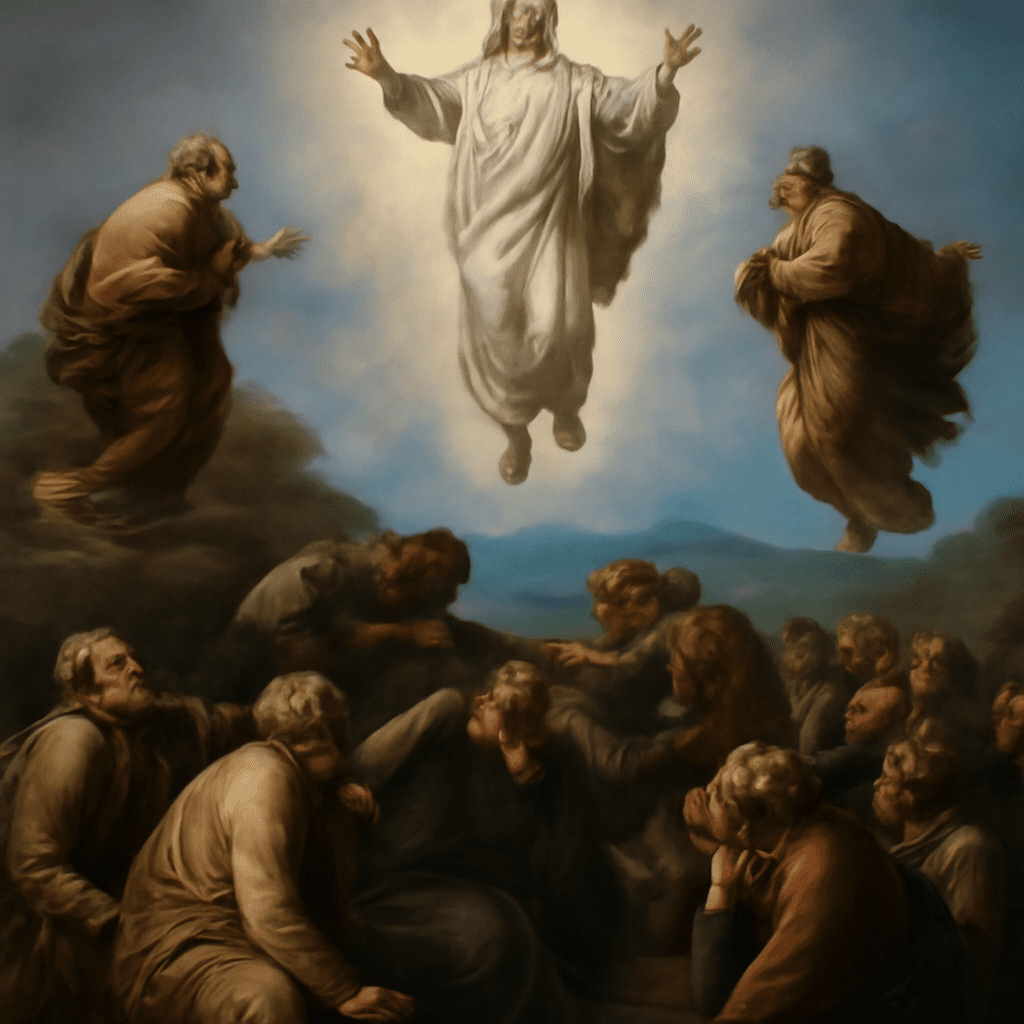
The narrative depicted in the Transfiguration is profoundly significant. In the upper register, Christ is shown in radiant glory, flanked by Moses and Elijah, symbolizing the fulfillment of the Old Testament prophecies. Below, the apostles struggle with a boy possessed by demons, showcasing a stark contrast between divine serenity and earthly turmoil.
Analyzing the Elements of Transfiguration (Raphael)
Every element in this painting is thoughtfully designed to convey Raphael’s Transfiguration vision. The composition is divided into two distinct yet interconnected sections, highlighting the duality of the divine and the human experience.
Raphael’s use of light and color in the Transfiguration is masterful. The celestial figures are bathed in a luminescent glow, symbolizing their divine nature, while the earthly scene is rendered in darker tones to emphasize the chaos and confusion below. This juxtaposition not only heightens the drama of the narrative but also underscores the painting’s spiritual themes.
The Influence of Raphael’s Transfiguration on Art
The Transfiguration Raphael masterpiece has left a lasting legacy on the art world. Its innovative composition and expressive use of light and shadow have inspired countless artists, from the Baroque period to the modern era.
Raphael’s masterful blending of realism and idealism in the Transfiguration set a new standard for religious art, influencing not only his contemporaries but also future generations of painters. The painting’s impact is evident in the works of artists like Caravaggio and Rembrandt, who drew inspiration from Raphael’s dramatic yet harmonious compositions.
Where to View The Transfiguration Raphael Masterpiece
Today, the Transfiguration Raphael masterpiece is housed in the Vatican Museums in Rome, where it continues to captivate audiences from around the globe. Viewing this iconic work in person offers a unique opportunity to appreciate its intricate details and the profound impact it has had on art history.
When visiting the Vatican Museums, take the time to observe the Transfiguration’s dynamic composition and vivid colors up close. Doing so allows you to fully experience the genius of Raphael and understand why this painting is considered one of the greatest masterpieces in Western art.
Safety Recap: While exploring the history and artistry of Raphael’s Transfiguration, remember to handle all materials with care if undertaking any DIY art projects inspired by this masterpiece. Protect your workspace and ensure proper ventilation when using paints or solvents.