
In the world of photography, exploring what is a self portrait can redefine how you perceive yourself and your art. Self portrait photography is an intimate art form that allows you to express your unique style and personality through the lens. By understanding the techniques and gathering fun self portrait ideas, you can transform simple self images into powerful creative statements. In this guide, we’ll delve into self photography, from equipment essentials to mastering composition, and draw inspiration from renowned self portraits.
Understanding What is a Self Portrait
Define Self Portrait: A Historical Perspective
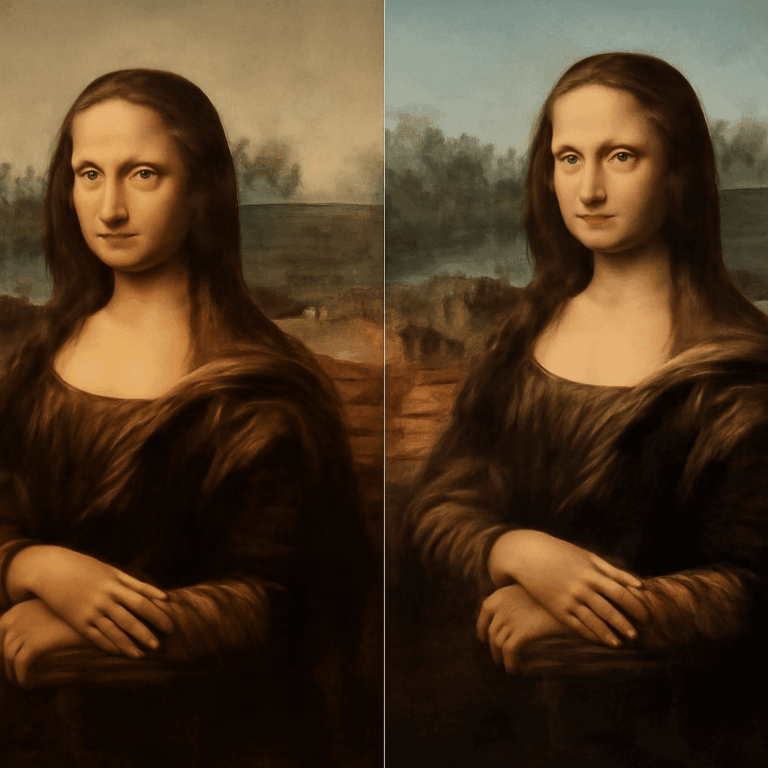
Self portraits have a storied past, dating back to when artists first turned their gaze inward. Traditionally, a self portrait refers to a representation of an artist created by the artist themselves, often depicting more than just physical likeness. Historically, these works have served as a means of self-reflection and experimentation with identity, allowing artists to convey their inner thoughts and emotions.
Modern Takes on Photography Self Portrait
Today, the self portrait has evolved beyond traditional painting into diverse photographic styles. Modern self photography enables you to play with concepts, lighting, and digital tools, embodying a broader definition of what a self portrait can be. From the classic headshot to abstract expressions using Photoshop, self photography embraces innovation and personal interpretation.
Mastering Self Photography Techniques
Essential Equipment for Photography Self Portrait
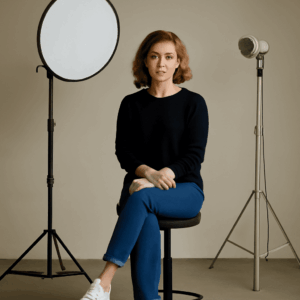
To start your journey in photography self portrait, you will need some essential equipment. A good camera is a must, whether it’s a DSLR, mirrorless, or even a high-quality smartphone. A sturdy tripod is crucial for stability, enabling you to experiment with angles and positions freely. Additionally, a remote shutter or self-timer function is invaluable for taking pictures without rushing back and forth.
Lighting and Composition Tips
Lighting can dramatically affect the mood of your self portrait. Experiment with natural light by shooting near windows or during the golden hour for soft, flattering results. Alternatively, use artificial lighting setups to create dramatic contrasts or highlights. In terms of composition, consider the rule of thirds to create balanced and visually appealing images. Try different perspectives and backgrounds to enhance the storytelling aspect of your portrait.
Fun Self Portrait Ideas to Try
Exploring Creative Concepts
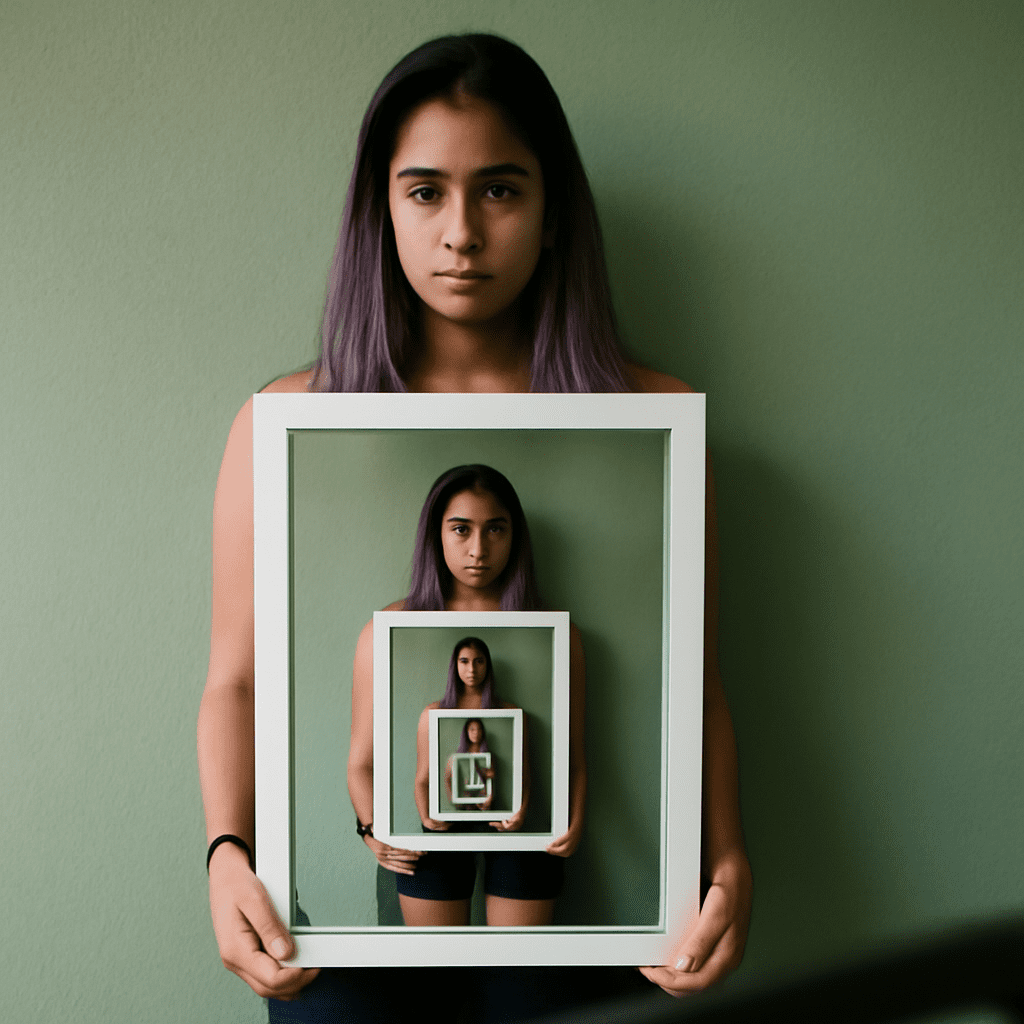
When pondering fun self portrait ideas, think outside the traditional box. You can explore themes like identity, alter egos, or moments of everyday life. Play with your image through costumes, makeup, or unusual settings. Experimenting with long exposure can create motion effects, while reflections in mirrors or glass add depth and intrigue to your photos.
Incorporating Props and Themes
Props can serve as extensions of your personality or the story you’re telling. Consider using items that hold personal significance or relate to a chosen theme. You might include your favorite book, musical instrument, or a meaningful artifact. Themes can range from vintage to futuristic, nature-based to urban explorations, providing endless creative possibilities.
Inspiration from Famous Self Portraits
Analyzing Iconic Works
To truly master self photography, look to the greats for inspiration. Iconic self portraits from artists like Frida Kahlo and Vincent van Gogh can offer insights into the emotional depth and technical prowess of personal imagery. Analyze the use of color, expression, and background elements to understand their impact.
Lessons from the Masters
Learning from masters like Cindy Sherman and Lee Friedlander can enhance your interpretive skills. Their ability to transform everyday moments into powerful self portraits highlights the importance of perspective and creativity. Observe their composition choices, use of light and shadow, and how they convey narrative—all valuable lessons for your own projects.
Pro tips recap: Embrace the evolving nature of self portraits by experimenting with equipment and lighting. Draw inspiration from the greats, but don’t shy away from infusing your unique style and ideas. Remember, the essence of self portrait photography lies in expressing who you are and the stories you wish to tell. Happy shooting!