

In the vibrant realm of art, the baroque painting era stands unmatched for its theatrical flair and intricate detail. This expressive period, brimming with emotion and dramatic narratives, invites you to explore famous baroque paintings that captivate with their vivid compositions. Yet, how did this dynamic style come to be, and why does it continue to resonate? Through understanding baroque artwork and its evolution, you can appreciate the nuances that define this iconic art movement.
The solution lies in delving deeper into the origins of baroque art and the key characteristics of the baroque style painting. By examining the notable baroque masters and their celebrated masterpieces, you gain insight into the enduring impact of baroque artwork on contemporary art and culture.
Understanding Baroque Painting
The Origins and Evolution of Baroque Art
Baroque painting emerged in early 17th-century Europe, a time of great cultural shifts and religious reformations. The Catholic Church, aiming to reignite faith through awe-inspiring visuals, fueled the birth of this dramatic style. As you trace its evolution, you’ll find that baroque art thrived on emotional depth and movement, diverging from the restrained elegance of Renaissance art.
By embracing contrast and grandeur, the evolution of baroque art created a rich visual narrative that artists like Caravaggio and Bernini championed. Their work paved the way for future generations, leaving a legacy that continues to inspire and provoke thought.
Key Characteristics of Baroque Style Painting
Baroque style painting is characterized by its dynamic compositions and vivid detail. The use of chiaroscuro, a technique emphasizing stark contrasts between light and dark, adds an intense emotional layer to the artwork. This vivid detail creates a sense of depth and three-dimensionality, drawing the viewer into a world of heightened drama and realism.
The hallmark of the baroque style lies in its ability to capture movement and emotion in a single frame. Through the use of swirling lines and dramatic lighting, baroque paintings convey a sense of theatrical storytelling that keeps you engaged and inspired.
Famous Baroque Paintings and Artists
Notable Baroque Masters
Among the renowned baroque masters, Caravaggio stands out for his groundbreaking use of chiaroscuro. His paintings, such as “The Calling of Saint Matthew,” demonstrate an unparalleled ability to blend naturalism with dramatic intensity.
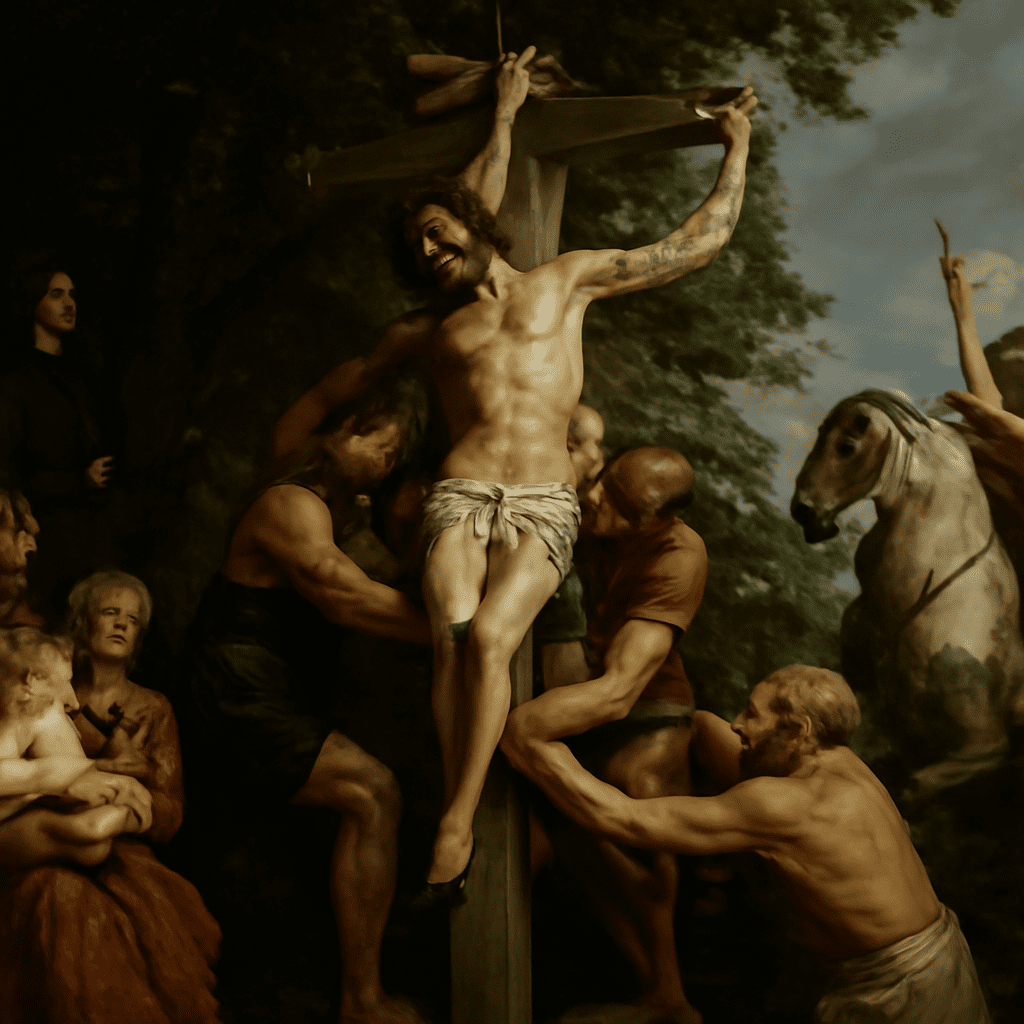
Equally significant is Peter Paul Rubens, whose works epitomize the grandeur and exuberance of the baroque style. His mastery in depicting movement and form is evident in paintings like “The Descent from the Cross,” which remains a quintessential example of baroque artwork.
Iconic Baroque Artworks
Famous baroque paintings like Rembrandt’s “The Night Watch” showcase the era’s penchant for storytelling through visual art. These iconic works are not just reflections of their time but continue to influence modern interpretations of narrative art.
Similarly, Velázquez’s “Las Meninas” is a masterpiece of baroque painting, celebrated for its complex composition and engaging use of perspective. Such artworks invite endless analysis and admiration, ensuring the baroque style’s relevance in contemporary discourse.
The Impact of Baroque Artwork Today
Baroque Influence in Modern Art
Today, the influence of baroque artwork can be seen in various modern art forms, from cinema to contemporary paintings. The dramatic storytelling and emotional resonance found in famous baroque paintings continue to inspire artists seeking to evoke similar feelings in their work.
Modern interpretations often draw upon the vivid detail and dynamic compositions that are synonymous with the baroque style. This ongoing influence is a testament to the enduring legacy of baroque art in shaping the visual and emotional language of today’s creative expressions.
Collecting Baroque Paintings
For art enthusiasts and collectors, acquiring baroque paintings is about more than just owning a piece of history; it’s about connecting with the timeless beauty and masterful craftsmanship of the era. The meticulous detail and emotive power of these works make them highly sought after in the art market.
Collecting baroque artwork requires an understanding of the key characteristics that define the style. As you build your collection, you’ll appreciate the intricate storytelling and vivid detail that each piece embodies, ensuring that the baroque art’s legacy continues to thrive in private and public spaces alike.
Safety Recap: If engaging in DIY restoration or handling original baroque paintings, ensure proper training and protective measures. Preservation requires expertise to maintain the artwork’s historical and aesthetic value.