
From the grandeur of the Renaissance to the expressive strokes of modern masterpieces, oil paintings on canvas captivate the hearts and minds of art lovers worldwide. Yet, understanding the magic behind each brushstroke and the characteristics that make oil painting canvas so special can be elusive. Enter the fascinating realm of oil painting, where skilled artists like Vincent van Gogh and Leonardo da Vinci have graced the canvas with their talent. Here, you’ll uncover the secrets to crafting your own beautiful oil paintings, from choosing the right materials to displaying your finished work with pride.
Whether you’re an aspiring artist or an avid collector, the world of oil paintings offers endless possibilities for creativity and appreciation. Navigating the art of oil paintings begins with understanding their unique history and evolution, why they stand apart from other mediums, and the renowned artists who have mastered them. By the end of this journey, you’ll not only appreciate the beauty of oil painting canvas but also be equipped with the skills and knowledge to create and care for your own masterpieces.
The History and Evolution of Oil Paintings
Origins of Oil Painting Techniques
Oil painting emerged during the early Renaissance, providing artists with a versatile medium that allowed for detailed expression. The use of oil as a binder enabled painters to create layers with richer hues and increased depth. The flexibility of oil painting techniques set the stage for artists to explore new creative dimensions.
Key Developments in Oil Painting on Canvas
The transition from wood panels to canvas in the 15th century marked a pivotal moment in the history of oil paintings. Canvas, being lighter and more portable, allowed for larger compositions and contributed to the proliferation of oil paintings on canvas. This evolution transformed the art world, opening doors for the expansive styles of the Baroque and Romantic periods.
Why Choose Oil Paintings on Canvas?
Unique Qualities of Oil Painting Canvas
The allure of oil paintings lies in their rich texture and luminous color palette. Oil painting canvas provides a robust surface that holds the paint’s vibrant hues, enabling artists to achieve unmatched depth and realism. The slow drying time also allows for blending and layering, making oil painting a cherished medium among artists.
Comparison with Other Painting Mediums
While watercolor and acrylic offer their own distinct characteristics, oil paintings on canvas remain unmatched in their ability to capture light and shadow. Unlike other mediums, oil paints offer greater flexibility in terms of color mixing and surface manipulation. This makes oil painting canvas the preferred choice for artists seeking to create dynamic and enduring works of art.
Famous Beautiful Oil Paintings and Artists
Iconic Oil Paintings by Renowned Artists
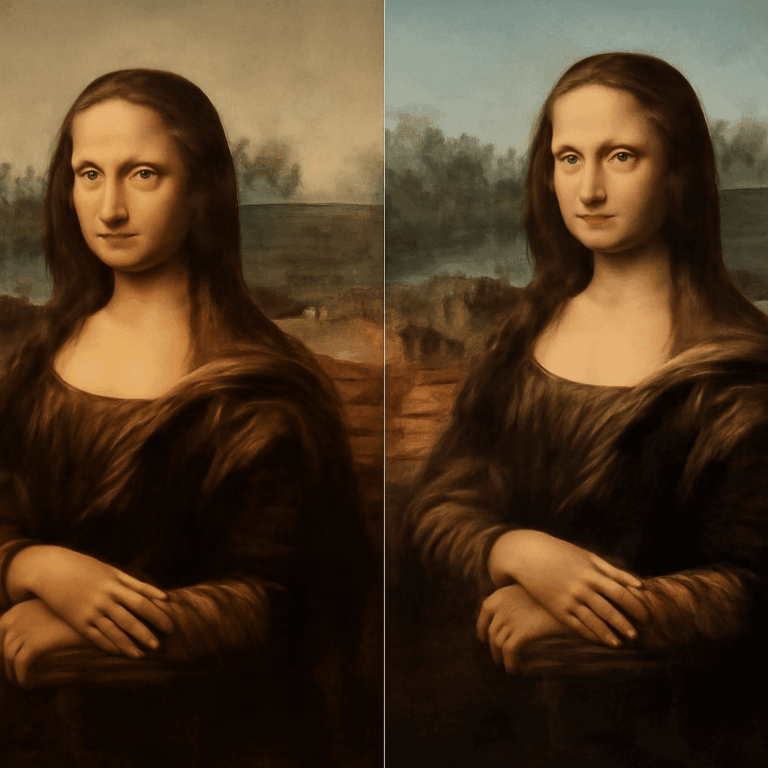
Art history is replete with beautiful oil paintings that continue to inspire and awe. Masterpieces like da Vinci’s “Mona Lisa” and van Gogh’s “Starry Night” exemplify the depth and emotion that oil paintings on canvas can convey. These celebrated works stand as testaments to the timeless appeal of the medium.
How Artists Create Beautiful Oil Paintings
Creating beautiful oil paintings involves mastery of both technique and creativity. Artists often begin with a well-prepared canvas, sketching their vision before layering rich pigments to build texture and form. Through careful blending and a keen eye for detail, artists harness the potential of oil painting canvas to bring their ideas to life.
Creating Your Own Oil Paintings: Tips and Techniques
Essential Supplies for Oil Painting
To begin your journey into oil painting, you’ll need a quality set of brushes, oil paints, and a sturdy canvas. Palette knives and mediums like linseed oil can help you achieve different textures and effects. Ensuring you have these essential supplies will set the foundation for your artistic exploration.
Step-by-Step Guide to Painting on Canvas
Starting with a clean, primed canvas, sketch your design lightly. Apply a thin underpainting to establish values, then gradually build layers of color. Allow each layer to dry, giving you the opportunity to refine details and adjust hues. Patience and practice are key as you develop your unique style in oil painting canvas.
How to Care for and Display Your Oil Paintings
Proper Maintenance of Oil Paintings
Caring for oil paintings involves regular dusting with a soft brush and keeping them away from direct sunlight and humidity. Varnishing can protect the surface from dust and fading, ensuring the longevity of your beautiful oil paintings.
Optimal Ways to Showcase Your Artwork
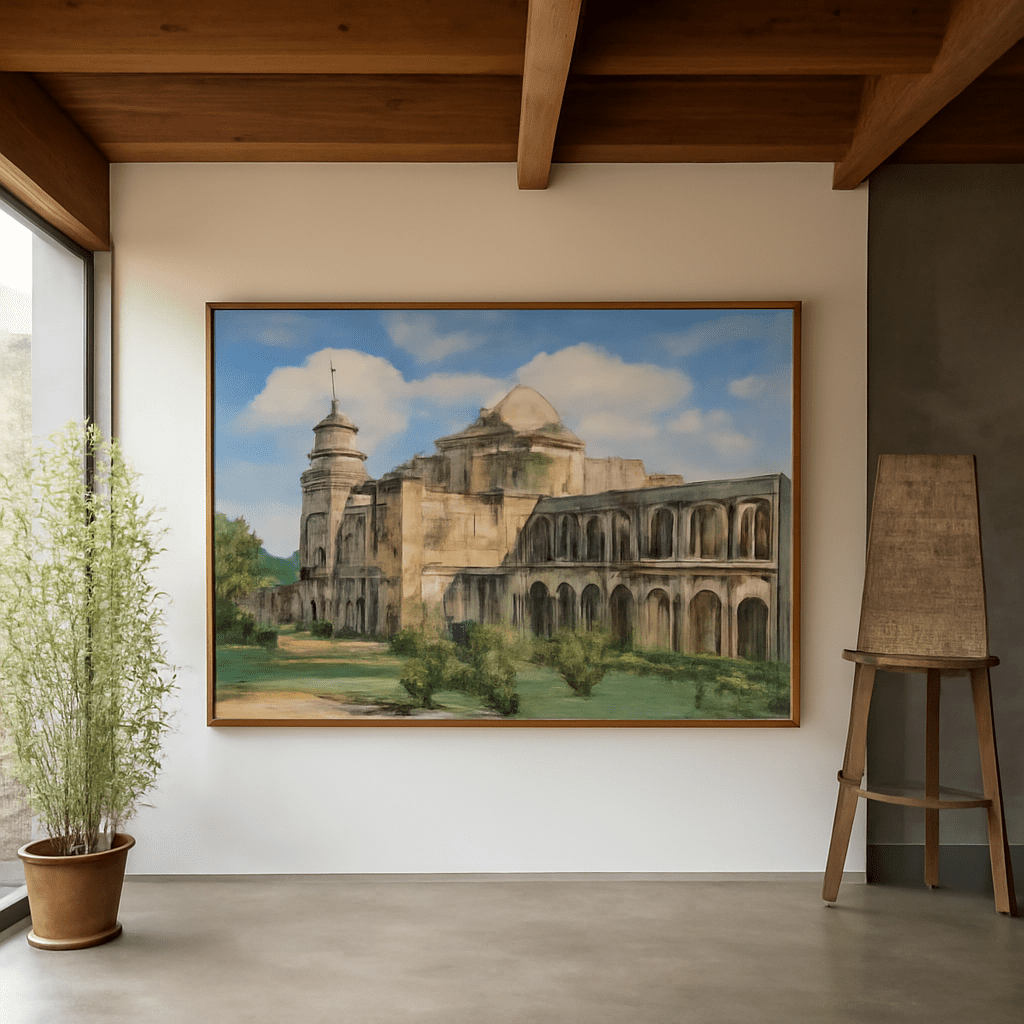
Displaying oil paintings requires careful consideration of lighting and placement. Opt for indirect lighting to highlight the colors without causing damage. Whether hanging a single piece or curating a gallery wall, the right display can elevate the presence of any oil painting canvas, allowing it to command attention.
Bottom line: Mastering the art of oil painting on canvas requires understanding its rich history, unique qualities, and the techniques of renowned artists. With proper care and a dash of creativity, you can create and maintain stunning pieces that capture the essence of this timeless medium.