

Creating the perfect shade of black in your art projects can be a challenge, especially if you rely solely on store-bought options. Understanding how to make black by mixing different colors not only enhances your skills but also adds depth and richness to your work. This guide will explore what colors do you mix to make black, providing you with practical steps and avoiding common pitfalls. By the end, you’ll have the confidence to mix black for any painting and illustration project successfully.
Understanding the Basics of Mixing Colors
Before diving into the specifics of mixing black, it’s important to grasp the fundamentals of color theory. Primary colors—red, blue, and yellow—form the basis of all other hues. By combining these primary colors in varying proportions, you can create a myriad of secondary and tertiary colors. Understanding this concept is essential when learning ways to create black.
Mixing colors involves more than just throwing pigments together; it requires a keen eye and an understanding of how colors interact. For example, when you mix complementary colors, they can neutralize each other, resulting in a muted or grey tone. This principle is key when exploring different methods of achieving black.
What Colors Do You Mix to Make Black?
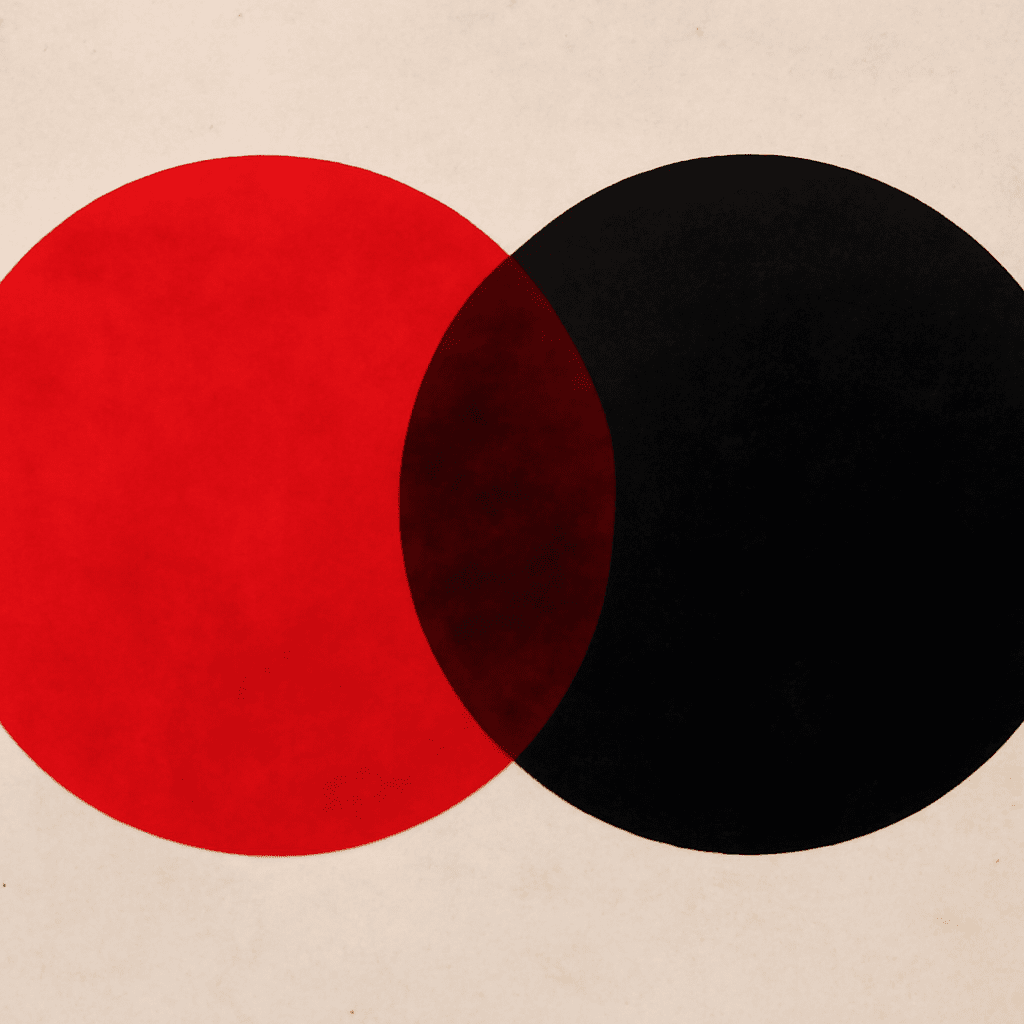
Now, let’s dive into the specifics of what colors do you mix to make black. A popular method involves combining equal parts of red, blue, and yellow. This mixture often results in a rich, deep black. Alternatively, you can use complementary colors like blue and orange or red and green to achieve a similar effect. By experimenting with these combinations, you can discover unique ways to produce a black hue that suits your artistic needs.
An advanced technique involves using a mix of dark blue and brown. This approach can yield a more subtle, softer black, perfect for applications that require a nuanced touch. Testing these combinations on a palette before applying them to your canvas ensures the desired outcome.
How to Mix Black: Step-by-Step Guide
Ready to try mixing black? Follow these steps for a foolproof method:
- Start with clean brushes and a new palette to avoid contamination.
- Select your colors based on the desired shade of black – for instance, use complementary colors for a warm black or primary colors for a neutral black.
- Squeeze small quantities of each selected paint onto your palette.
- Use a palette knife to mix the colors thoroughly, adjusting the proportions as needed until you achieve the perfect black.
- Test the mixed color on a scrap piece of paper or canvas to verify the result under the desired lighting conditions.
Common Mistakes When Mixing Black and How to Avoid Them
One frequent mistake when learning how to mix black is over-mixing, which can lead to a muddy or flat result. To avoid this, blend small sections at a time and incorporate the colors gradually. Another common error is using too many colors, which can cause a lack of vibrancy. Stick to the tried and tested combinations, like primary or complementary colors, to keep your black intense and bold.
Additionally, remember that the quality of your materials matters. Low-quality paints may not mix as expected, so invest in high-quality pigments for the best results. Lastly, always mix more paint than you think you’ll need to maintain consistency throughout your project.
Practical Applications in Painting & Illustration
Once you’ve mastered creating black with mixed colors, you’ll find numerous applications in your artwork. Use your custom black to add depth to shadows and contrast to highlights, enhancing the three-dimensionality of your paintings. In illustration, a well-mixed black can lend a precise and clean look to line work.
Additionally, by adjusting the hues slightly, you can create blacks that blend seamlessly with other colors, adding richness and complexity to your compositions. Whether working on a landscape, portrait, or abstract piece, the ability to mix your own black will become an indispensable tool in your artistic arsenal.
Conclusion: Mastering the Art of Creating Black
Mastering how to make black by mixing colors opens new horizons in your art practice. It encourages experimentation, enhances your understanding of color relationships, and lets you tailor your palette to your creative vision. By practicing the techniques shared in this guide, you’ll develop the ability to consistently mix black, enriching your artwork with personalized nuances.
Key takeaways: Mixing black requires understanding color theory, experimenting with various combinations, and avoiding common mistakes. High-quality materials and deliberate practice will yield the best results, empowering you to create stunning artwork.