

Have you ever found yourself staring at an image, captivated yet unsure why? The secret often lies in the golden ratio in photography. This age-old principle can transform your pictures from mundane to mesmerizing, creating harmony and balance that naturally draws the eye. By learning how to apply golden spiral photography techniques and mastering the golden rule photography principles, you can elevate your photographic work to a new level of sophistication.
In this guide, we’ll delve into the intricacies of the golden ratio and uncover how you can use this mathematical marvel to improve your compositions. Whether you’re a seasoned photographer or just starting, understanding these concepts can significantly enhance your visual storytelling skills.
Understanding the Golden Ratio in Photography
The Origins and Significance
The golden ratio has fascinated humans for centuries, appearing in art, architecture, and nature. This mathematical concept, often represented by the Greek letter Phi (Φ), is approximately 1.618. When applied to photography, it creates a composition that feels balanced and organic. The golden ratio in photography is more than just a rule; it’s a way to connect with the innate human perception of beauty.
Mathematical Explanation
Mathematically, the golden ratio can be expressed as the relationship between two numbers, where the ratio of the sum of the numbers to the larger number is the same as the ratio of the larger number to the smaller one. In photography, this translates to dividing your frame into sections that follow this proportion, creating a fluid and appealing picture.
How to Use the Golden Spiral in Photography
Composing with the Spiral
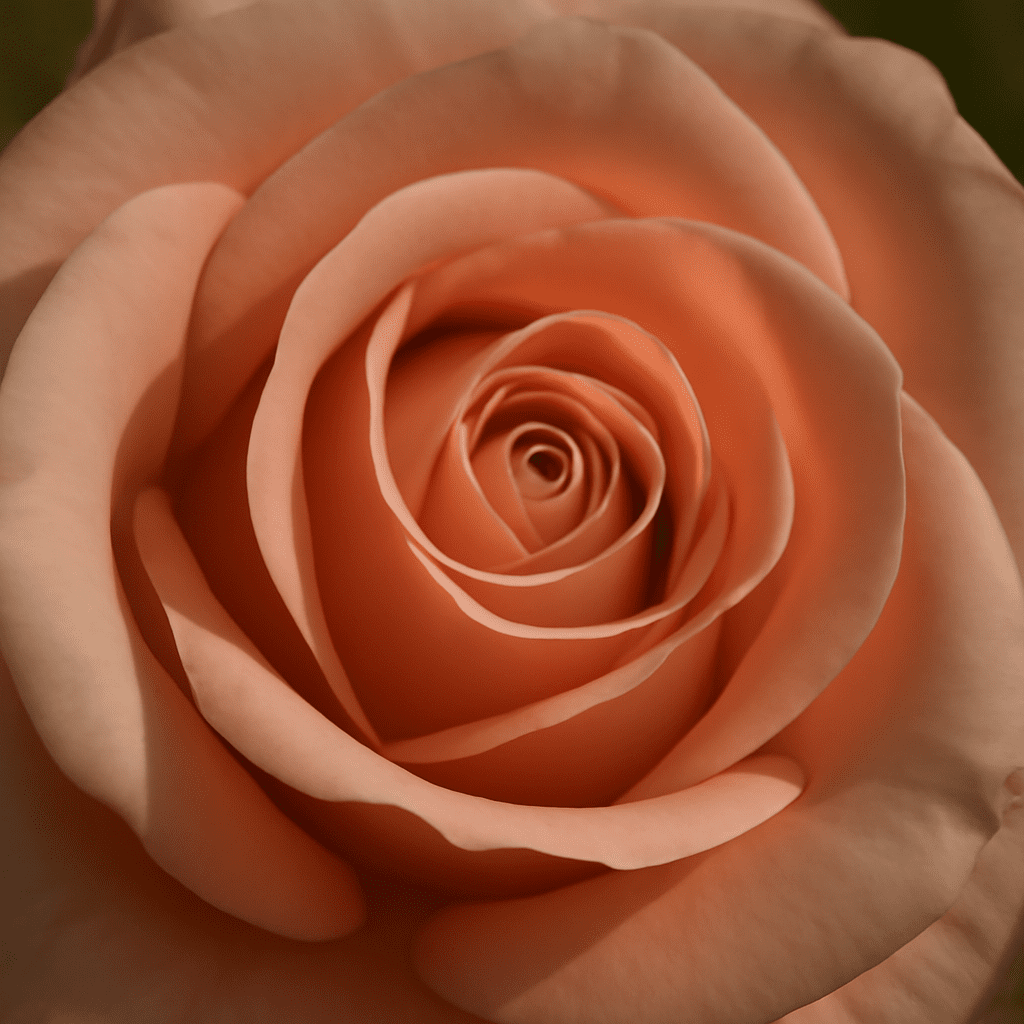
The golden spiral derives from the golden ratio and is characterized by a logarithmic spiral pattern. When composing with the spiral, place your subject at the focal point where the spiral tightens. This technique guides the viewer’s eye through the image, leading them naturally from one element to another, enhancing the narrative of your photograph.
Examples of Golden Spiral Photography
Consider landscape photography where the horizon aligns with the spiral, or a portrait where the subject’s eye sits at the spiral’s center. These are quintessential examples of golden spiral photography, where the composition leads to a more engaging and dynamic image.
Applying the Golden Rule in Photography
Step-by-Step Guide
To apply the golden rule photography principles effectively, start by envisioning the golden ratio grid over your frame. Place critical elements at intersections or along the lines. Use this structure as a guide rather than a strict rule, allowing creativity to flow within a reliable framework. Experiment with different placements and subjects to see how the composition changes.
Common Mistakes to Avoid
One common mistake in golden rule photography is over-reliance on the grid. Too much precision can stifle creativity, making images feel forced rather than natural. Another pitfall is ignoring other compositional rules, such as the rule of thirds. Balancing these techniques will lead to a more versatile and effective photographic style.
Photography Techniques for the Golden Ratio
Tools and Resources
Numerous tools, such as camera overlays and mobile apps, can help visualize the golden ratio while shooting. These resources can be valuable in developing a keen eye for composition. Practice with these aids to build confidence in your ability to see and use the golden ratio instinctively.
Advanced Tips
For advanced photographers, integrating the golden ratio with other techniques can create more compelling images. Try combining leading lines, foreground elements, or contrasting colors with the golden spiral for a multi-dimensional effect. Continuously analyze your work and seek feedback to refine your application of these concepts.
Why the Photography Golden Ratio Matters
Impact on Visual Appeal Photography that employs the golden ratio resonates on a subconscious level. It evokes a sense of order and beauty that can captivate viewers. The golden ratio isn’t just a guideline; it’s a powerful tool that enhances the emotional and aesthetic impact of your work, making your images more memorable.
The bottom line: Mastering the golden ratio in photography can dramatically improve your compositional skills. By understanding and applying these principles, you tap into a timeless method of creating beauty and balance in your work. Embrace the golden rule, and watch as your ability to captivate through photography unfolds.