

Oil pastels for beginners can often seem daunting, but with the right guidance, they offer limitless creative possibilities. Learning how to use oil pastels effectively opens up a world of vibrant color and texture exploration. With just a little practice, you can master oil pastel techniques for beginners and create stunning artwork that is both enjoyable and satisfying.
In this guide, you’ll discover essential tips to start your journey with oil pastels. From understanding fundamental supplies to grasping basic techniques, each step will equip you with the knowledge needed to confidently create and express through this medium.
What Are Oil Pastels and Why Use Them?
Oil pastels are a painting and drawing medium known for their rich, intense colors and creamy texture. Ideal for artists who love vivid hues, these sticks of pigment mixed with wax and non-drying oil glide smoothly over paper. The medium is perfect for achieving both detailed and bold strokes.
One reason to use oil pastels is their versatility. Whether you are blending shades or layering for depth, they offer endless possibilities. Unlike other media, oil pastels allow you to mix colors directly on the canvas, an excellent feature for creating dynamic and spontaneous artwork.
Essential Supplies for Using Oil Pastels
Starting with oil pastels requires a few key supplies. First, invest in a quality set of oil pastels for beginners. High-quality pastels will have a smooth application and more vibrant pigments. Brands like Sennelier or Caran d’Ache are popular choices.
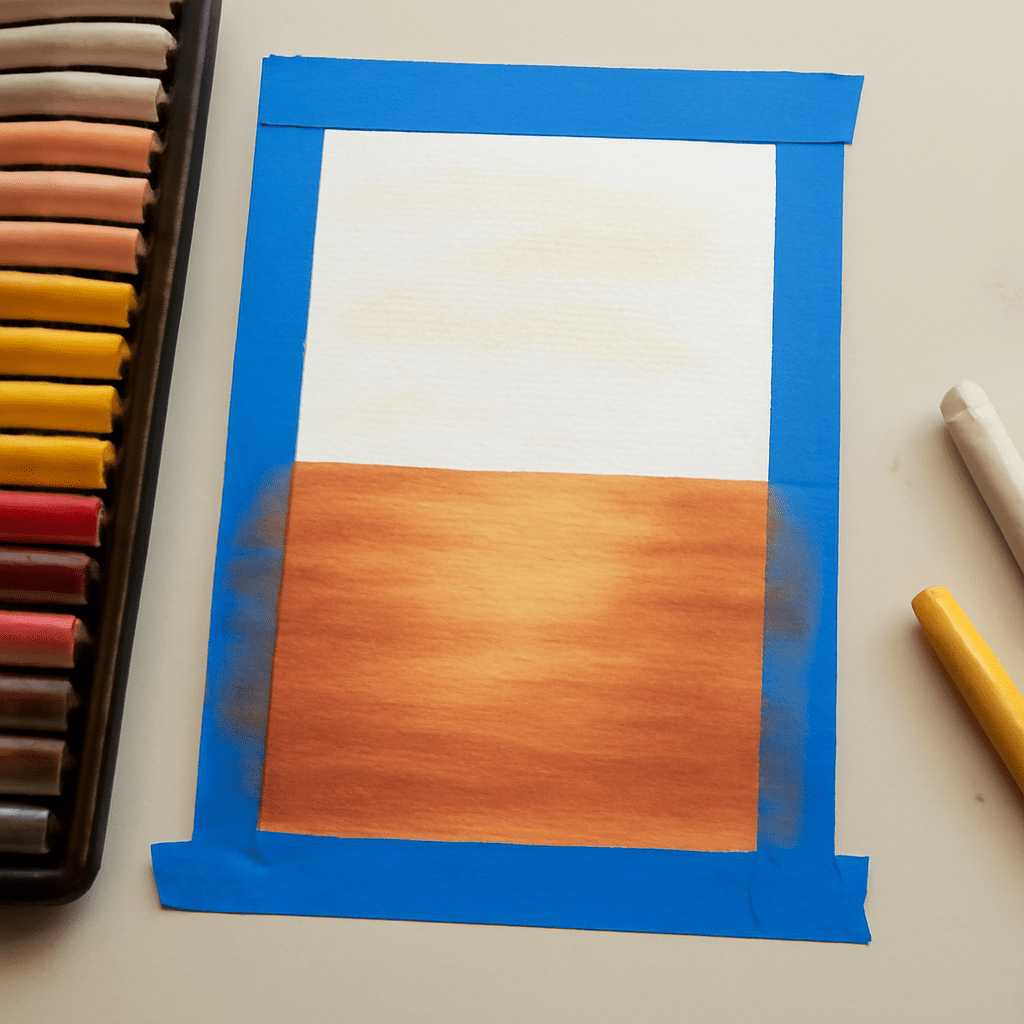
Next, choose the right paper. While any paper can be used, textured surfaces like watercolor paper or pastel paper enhance the blending and layering properties of the oil pastels. Don’t forget to have blending tools like cotton swabs or tortillons, and a workable fixative to preserve your artwork.
Basic Techniques for Oil Pastels for Beginners
Understanding basic techniques is essential when learning how to use oil pastels. Start with scumbling, a method where you apply a light layer of pastel on top of another to create a textured look. This technique adds depth and interest without fully blending the colors.
Another technique to try is blending. Use your fingers or blending tools to combine colors smoothly. This is particularly effective for creating gradients or soft transitions. Experiment with layering, placing one color over another to achieve richness and complexity in your work.
Step-by-Step Guide on How to Use Oil Pastels
To begin your oil pastel journey, follow this step-by-step guide. First, sketch your composition lightly with a pencil. This will serve as your blueprint and help maintain proportions.
Start applying oil pastels from light to dark colors. This allows you to build up the image and correct mistakes easily. Use basic techniques like blending and scumbling to add texture and interest. Remember to layer your colors gradually to build depth and richness.
Finally, use a workable fixative to preserve your artwork. This will prevent the pastels from smudging and keep your piece vibrant over time.
Common Mistakes and How to Avoid Them
When using oil pastels, one common mistake is applying too much pressure. This can lead to unwanted streaks or damages the paper. Use light, controlled strokes to maintain a smooth surface.
Another error is neglecting to blend properly. Always blend colors with care to avoid harsh lines. Practice blending techniques to learn how different colors interact and complement each other.
Avoid using insufficient protective measures. Use a fixative to protect your final piece from dust and smudging, ensuring your artwork remains pristine.
Inspiring Oil Pastel Projects to Try
To inspire your creativity, try starting with a simple landscape scene. Capture the beauty of a sunset by blending warm colors and layering different shades for depth.
Another exciting project is creating a still life composition. Focus on objects with a variety of textures, like fruits or flowers. Use scumbling and layering to highlight their unique qualities.
Lastly, experiment with abstract designs. Let your imagination guide you as you play with colors and shapes, emphasizing bold contrasts and intricate details.
Bottom line: Mastering oil pastels for beginners comes down to exploring techniques and understanding your tools. With practice and patience, you can create vivid and compelling pieces. Enjoy the process and let your creativity flourish.