

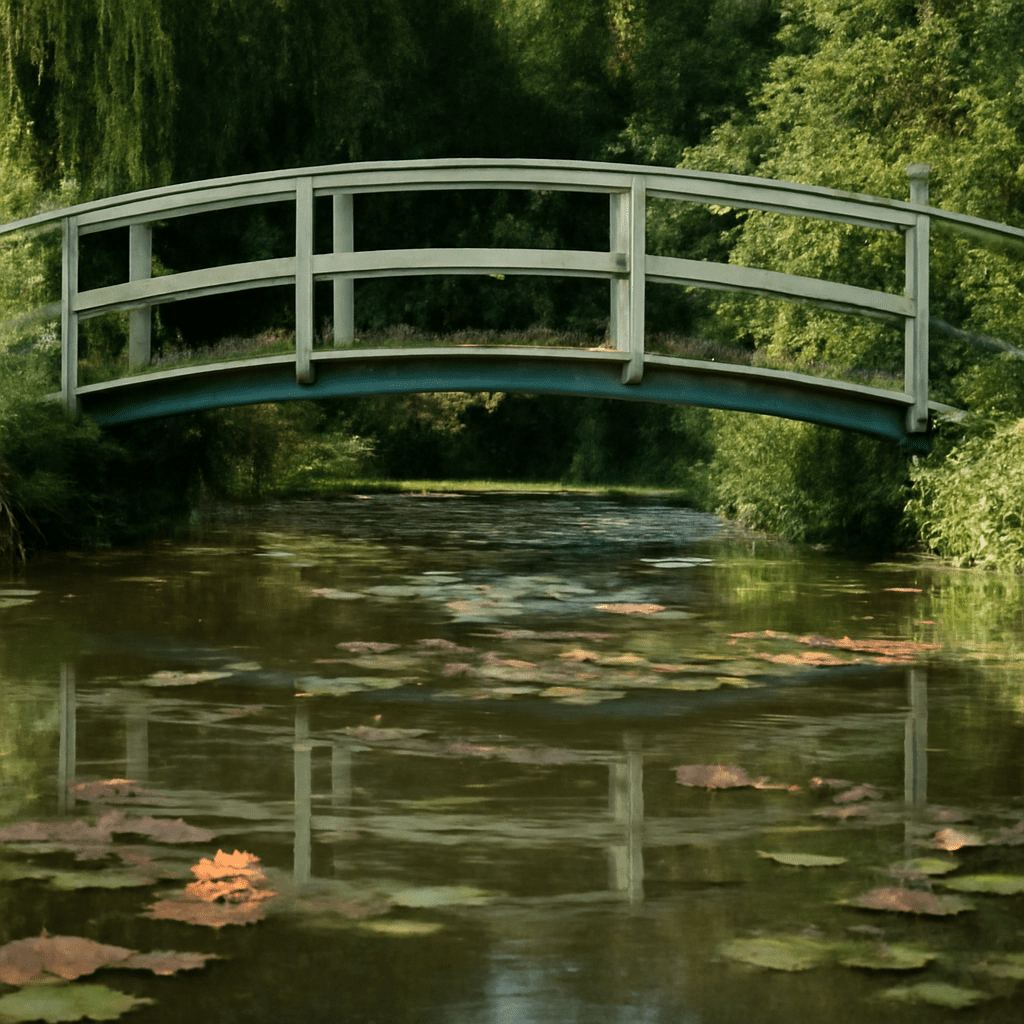
Landscape painting has long been a cherished form of artistic expression, capturing the beauty and grandeur of nature. Yet, the challenge remains: how do you effectively convey the vastness and emotion of a scene onto a canvas? The answer lies in exploring the techniques and creative approaches of landscape painting artists. By learning from famous landscape painters, you can discover new dimensions of nature, transcending the ordinary and opening doors to limitless interpretations.
With the rise of landscape painting, artists like Claude Monet and Vincent van Gogh have cemented their place in art history. Their masterpieces offer valuable lessons on capturing the essence of light and color. This article delves into their contributions and guides you on appreciating the world of renowned landscape painters. Embrace this journey to uncover the secrets behind the best landscape paintings, crafted by the hands of skilled artisans.
Introduction to Landscape Artists
The Rise of Landscape Painting
Landscape painting emerged as a significant genre in the 17th century, breaking free from the constraints of religious and historical themes. Artists began to focus on nature’s splendor, portraying lush vistas and serene environments. This shift not only celebrated the natural world but also encouraged personal interpretation and emotional connection.
Impact on Art History
The influence of landscape painting on art history is profound. By emphasizing mood and atmosphere, artists like J.M.W. Turner and the Barbizon School paved the way for modern movements. Their works challenged viewers to perceive the world through different lenses, altering the trajectory of visual arts and inspiring countless others.
Famous Landscape Painters and Their Masterpieces
Claude Monet: The Impressionist Pioneer
Claude Monet, a leading figure among famous landscape painters, revolutionized the art world with his Impressionist techniques. His paintings, like “Impression, Sunrise,” exhibit a delicate play of light and color, encapsulating fleeting moments. Monet’s focus on how light alters perception transformed the landscape genre.
Vincent van Gogh: Expressive Landscapes
Vincent van Gogh’s interpretation of landscapes brought forth a new level of emotional intensity. His bold, swirling brushstrokes in pieces like “Starry Night” convey a sense of movement and vitality. Van Gogh’s landscapes offer a window into the artist’s psyche, capturing the turmoil and beauty of his surroundings.
Thomas Cole: The Hudson River School
As a founder of the Hudson River School, Thomas Cole celebrated the American wilderness through his detailed and dramatic compositions. His work, “The Oxbow,” exemplifies his approach to capturing vast landscapes with precision. Cole’s paintings emphasize the majestic and untamed aspects of nature, fostering an appreciation for America’s natural beauty.
Characteristics of the Best Landscape Paintings
Techniques and Styles
Masterful landscape paintings often employ specific techniques that define their success. From Impressionism’s loose brushwork to the meticulous detail of Realism, each style invites unique interpretations. Experimenting with these techniques can enhance your visual storytelling, allowing you to convey mood and depth.
Use of Color and Light
The interplay of color and light is crucial in landscape art. Artists like Monet and Turner mastered the art of capturing the subtleties of different times of day and weather conditions. By understanding how to manipulate these elements, you can elevate your work, creating vivid and immersive scenes.
How to Appreciate Landscape Painting Artists
Visiting Art Galleries
To truly appreciate landscape painting artists, immerse yourself in their work by visiting art galleries. Viewing paintings in person allows you to experience the scale and texture, elements often lost in digital reproductions. Galleries offer a space for reflection and a chance to connect with the artist’s vision.
Understanding Artistic Intent
Delving into an artist’s intent can enrich your appreciation of their work. Consider the historical context, personal experiences, and cultural influences that shaped their landscapes. By engaging with an artist’s perspective, you gain a deeper understanding of the message conveyed through their art.
Conclusion: The Timeless Appeal of Landscape Art
Landscape art continues to captivate audiences with its timeless appeal. It invites you to pause, reflect, and appreciate the world’s beauty through artistic interpretation. As you explore the works of famous landscape painters, seek out new perspectives, and let the landscapes inspire your own creative journey.