


Art enthusiasts have long been captivated by the profound impact of Pablo Picasso’s most famous paintings. His unique ability to convey emotion and complexity in his work makes him a towering figure in the world of art. Whether you’re drawn to the haunting depth of Picasso’s most famous paintings or his innovative techniques, understanding his masterpieces offers a fascinating glimpse into the mind of a genius. Unraveling the layers of Picasso’s art enriches your appreciation, encouraging a deeper exploration of Picasso’s best paintings and art.
In this exploration, we dive into Picasso’s most revered works, analyze the evolution of his style, and consider the lasting legacy of his artistic contributions. You’ll also find guidance on where to experience these masterpieces firsthand.
Introduction to Pablo Picasso’s Art
The Life of Picasso
Pablo Picasso, born in 1881 in Málaga, Spain, was a prodigiously talented artist whose life was as colorful as his canvas. His journey from a precocious youth to a revolutionary figure in art is a testament to his relentless exploration of form and style. Picasso’s dedication to his craft was evident from an early age, with his father recognizing and nurturing his budding talent.
His Artistic Evolution
Picasso’s artistic evolution is characterized by constant innovation and a desire to break away from traditional forms. He moved from the classical influences of his early years to the groundbreaking styles that defined the 20th century. His works, rich in diversity, span multiple periods, each reflecting a different phase of his life and artistic philosophy.
Picasso’s Most Famous Paintings
Les Demoiselles d’Avignon
Created in 1907, “Les Demoiselles d’Avignon” marks a pivotal moment in Picasso’s career. This painting, often hailed as the precursor to Cubism, challenged conventional perspectives by depicting five women with disjointed bodies and angular features. The piece’s fragmented form and boldness invite you to re-examine the nature of beauty and art.
Guernica
“Guernica,” painted in 1937, stands as a powerful anti-war statement. This immense mural captures the horror of the bombing of a small Basque town during the Spanish Civil War. Through stark monochrome tones and dramatic imagery, Picasso conveyed the chaos and suffering of war, making it one of his most famous paintings and a timeless symbol of peace.
The Weeping Woman
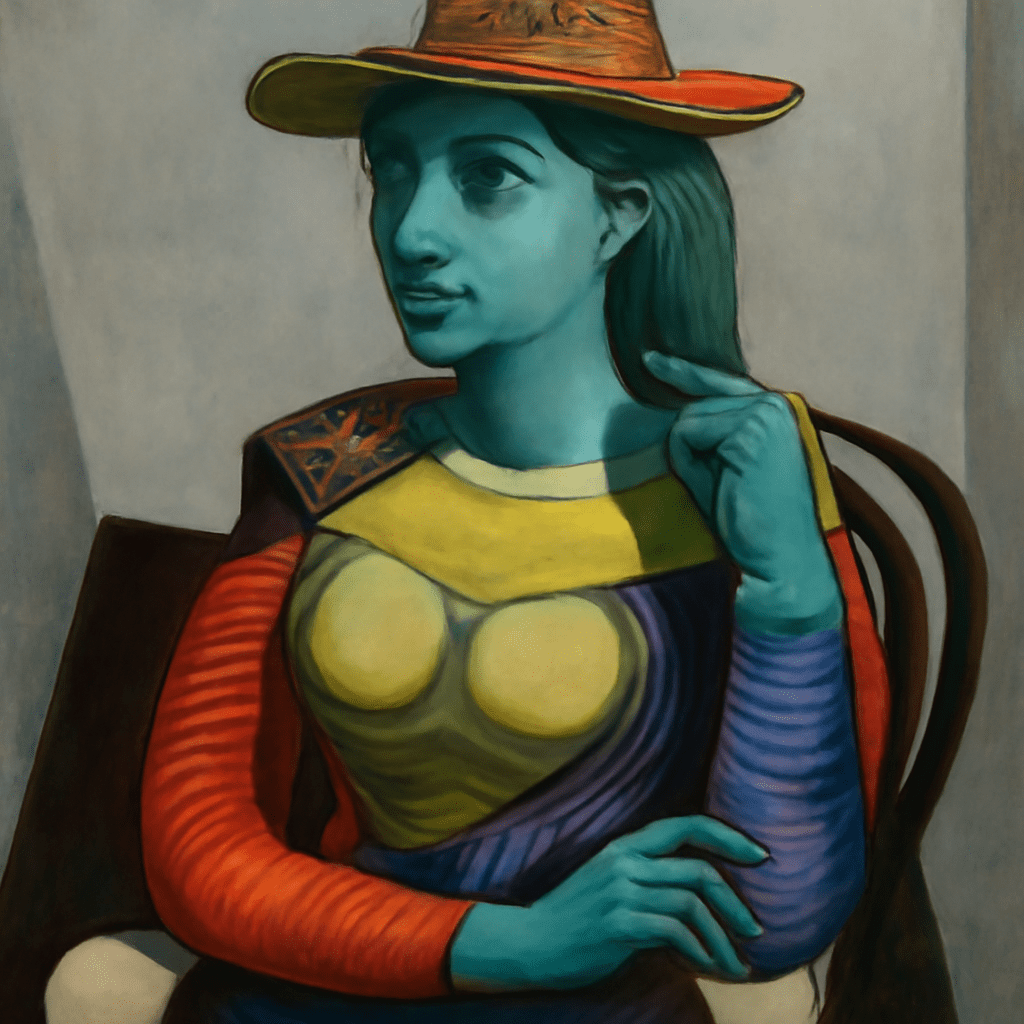
Another striking work, “The Weeping Woman” of 1937, echoes the themes of anguish found in “Guernica.” The painting depicts a woman in grief, her face distorted by pain. Picasso’s use of vivid colors and sharp angles intensifies the emotional impact, drawing you into the raw human emotion captured on canvas.
Analyzing Picasso’s Best Paintings
Cubism and Its Impact
Pablo Picasso’s best paintings frequently incorporate Cubism, a revolutionary art movement he co-founded. By deconstructing objects and figures into geometric forms, Picasso challenged perceptions of depth and perspective. This approach not only altered the course of visual art but also influenced literature, music, and architecture.
The Blue Period
From 1901 to 1904, Picasso’s Blue Period showcased his burgeoning emotional depth. Characterized by somber tones and melancholic subjects, these works reflect his personal struggles and empathy for marginalized individuals. The period marks a critical stage in Picasso’s artistic development, setting the foundation for future innovations.
The Legacy of Pablo Picasso’s Art
Pablo Picasso’s legacy extends beyond his most famous paintings. His relentless pursuit of innovation continues to inspire artists across generations. By challenging artistic conventions, Picasso redefined the possibilities of expression and creativity. His influence is seen in modern art movements and remains a touchstone for aspiring artists.
Where to View Picasso’s Art Today
Major Art Museums
To witness Picasso’s masterpieces firsthand, visit major art museums such as the Museum of Modern Art in New York or the Musée Picasso in Paris. These institutions house extensive collections of Picasso’s best paintings and art, offering an immersive experience into his creative genius.
Online Exhibitions
For those unable to travel, numerous online exhibitions provide access to Picasso’s works from the comfort of your home. Platforms like Google Arts & Culture offer virtual tours and high-resolution images, allowing you to explore his art in detail and appreciate his innovative techniques.
Safety recap: While exploring Picasso’s art, ensure the protection of your digital devices from potential online threats by using secure networks. In physical spaces, adhere to museum guidelines to preserve these invaluable works for future generations.