


Water is an essential part of our daily lives, yet access to clean and safe water remains a challenge worldwide. From industrial contaminants to natural impurities, your water supply may harbor unwanted elements. To combat this, many households and businesses rely on an activated carbon water filter. This powerful solution improves water quality by effectively removing contaminants, making it safe for consumption.
An activated carbon water filter works by using the adsorption process to trap particles and impurities, thus ensuring your water tastes better and is healthier. Whether you opt for a water carbon filter or a more specialized granular activated carbon water filter, understanding how these filters operate and selecting the right one can make a significant difference in your water quality.
Understanding Activated Carbon Water Filters
Activated carbon water filters are sophisticated filtering systems that use activated carbon to purify water. Through a process called adsorption, these filters capture and retain contaminants on their surface, preventing them from passing through the filter. This makes activated carbon filters highly effective in improving water quality and taste, which is why they are widely used in homes and businesses.
How Do Carbon Filters Work?
The secret behind the efficiency of carbon filters lies in their adsorption capability. Adsorption is a process where molecules from a liquid adhere to the surface of a solid. In the case of a water carbon filter, the carbon granules attract and hold impurities, including chlorine, sediment, volatile organic compounds, and other pollutants. This results in cleaner, clearer water.
As water passes through the carbon filter, contaminants are trapped, while the clean water continues to flow. This simple yet effective mechanism allows a granular activated carbon water filter to dramatically improve the quality of drinking water.
Types of Carbon Water Filters
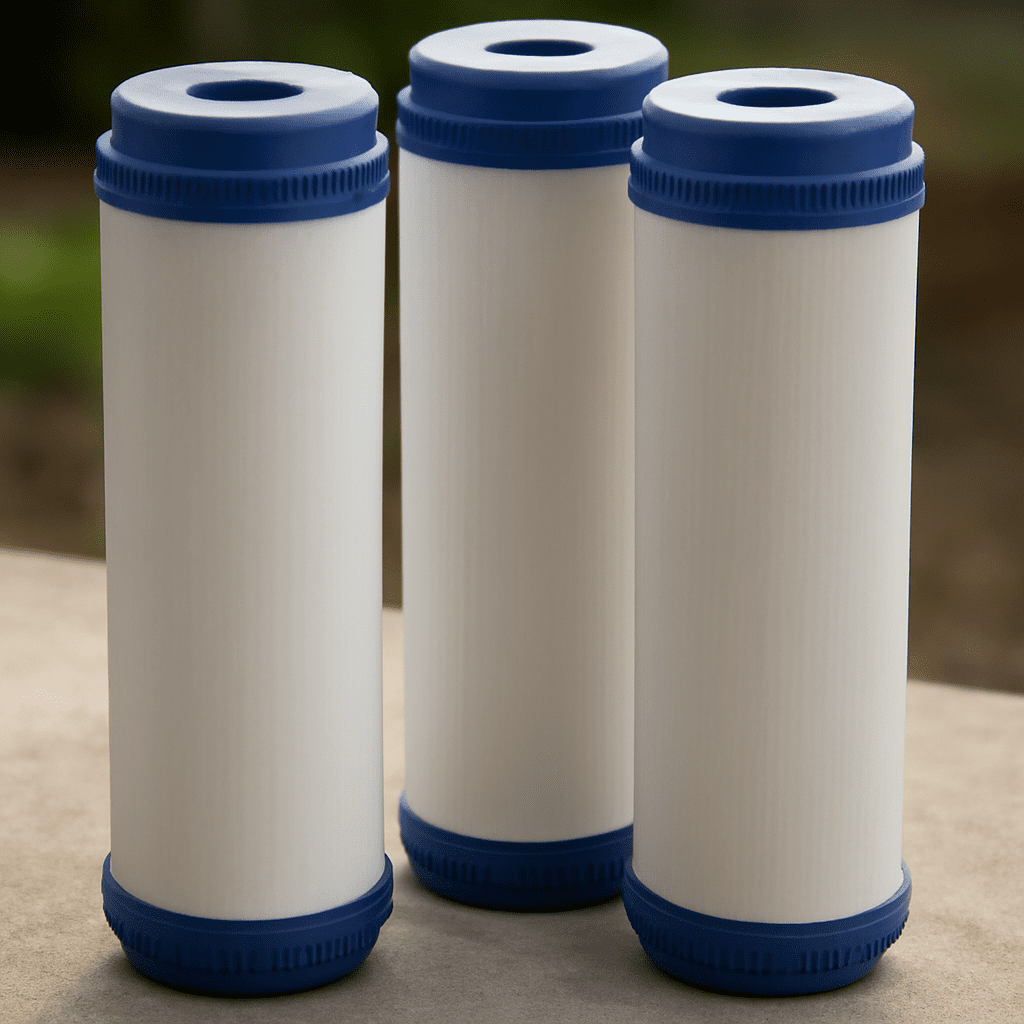
Carbon water filters come in various forms, each catering to different needs. The most common types include granular activated carbon (GAC) filters and carbon block filters. GAC filters use loose carbon granules, allowing for a higher flow rate and making them ideal for whole-house filtration systems. Conversely, carbon block filters use compressed carbon and provide a denser medium, which is often more effective for smaller-scale uses such as under-sink or countertop units.
Besides these, there are also specialty filters that combine carbon with other technologies, like reverse osmosis systems, to target specific contaminants. Consider your household’s water analysis report to choose the best carbon water filter type for your needs.
Benefits of Using a Water Carbon Filter
The primary advantage of a water carbon filter is its ability to remove a wide range of impurities. By reducing chlorine and other taste-altering chemicals, carbon filters enhance the water’s smell and taste. Additionally, they significantly reduce health risks by eliminating various toxic substances, such as pesticides and herbicides, commonly found in tap water.
Another benefit is the environmental aspect. By improving the quality of tap water, a granular activated carbon water filter reduces the dependency on bottled water, thereby minimizing plastic waste. This not only contributes to a healthier lifestyle but also supports environmental conservation.
Choosing the Right Granular Activated Carbon Water Filter
When selecting a granular activated carbon water filter, consider factors like filter size, flow rate, and the specific contaminants you wish to remove. Assess your water consumption needs and the water quality issues you face. Filters with NSF (National Sanitation Foundation) certification provide assurance of performance and reliability.
Your budget and installation requirements should also influence your choice. While some filters are easy DIY installations, others may require professional help. Carefully read product reviews and seek expert advice to find the best fit for your situation.
Installation and Maintenance Tips
Proper installation and maintenance are crucial to ensuring the effectiveness of your activated carbon water filter. Always follow the manufacturer’s guidelines for installation. Regularly check the filter for clogs and replace cartridges as recommended, typically every six months, to maintain performance.
Keep an eye out for signs of filter saturation, such as reduced water flow or a change in water taste. Timely maintenance not only prolongs the life of your filter but also guarantees clean, safe water for you and your family.
Bottom line: An activated carbon water filter is an excellent choice for enhancing water quality. By understanding how these filters work and selecting the right type, you can enjoy cleaner, better-tasting water while contributing positively to the environment.