

In the rich tapestry of Greek mythology, one figure stands out for her vibrant presence and dynamic role—Iris, the Greek Goddess. Known as the swift messenger of the gods, Iris embodies the connection between heaven and earth through her signature symbol—the rainbow. Her allure extends beyond myth, offering a unique muse for artists and designers seeking inspiration from the Greek Iris and her enduring legacy.
As you delve into the mystical world of Iris, you will uncover how this captivating deity influences both historical and contemporary creative expressions. Through the artistic significance of Iris, you can explore the depths of her symbolism and attributes, and discover how to incorporate her essence into your own designs.
Introduction to Iris: The Greek Goddess
Who is Iris in Greek Mythology?
Iris is a revered figure in ancient Greek mythology, primarily known as the divine messenger for the gods, particularly Hera. Her role is pivotal as she travels with the speed of wind, delivering messages across realms. With her duality of presence in both Olympus and the mortal world, Iris is a bridge that connects the divine with humanity.
Iris’s Role and Significance in Greek Mythology
Beyond her duties as a messenger, Iris symbolizes communication and the link between gods and humans. Her ability to traverse between worlds makes her a powerful figure in mythological tales. She often appears in stories as a harbinger, bringing news and executing the divine will with grace and precision.
Symbolism and Attributes of Iris
The Rainbow as Iris’s Signature Symbol
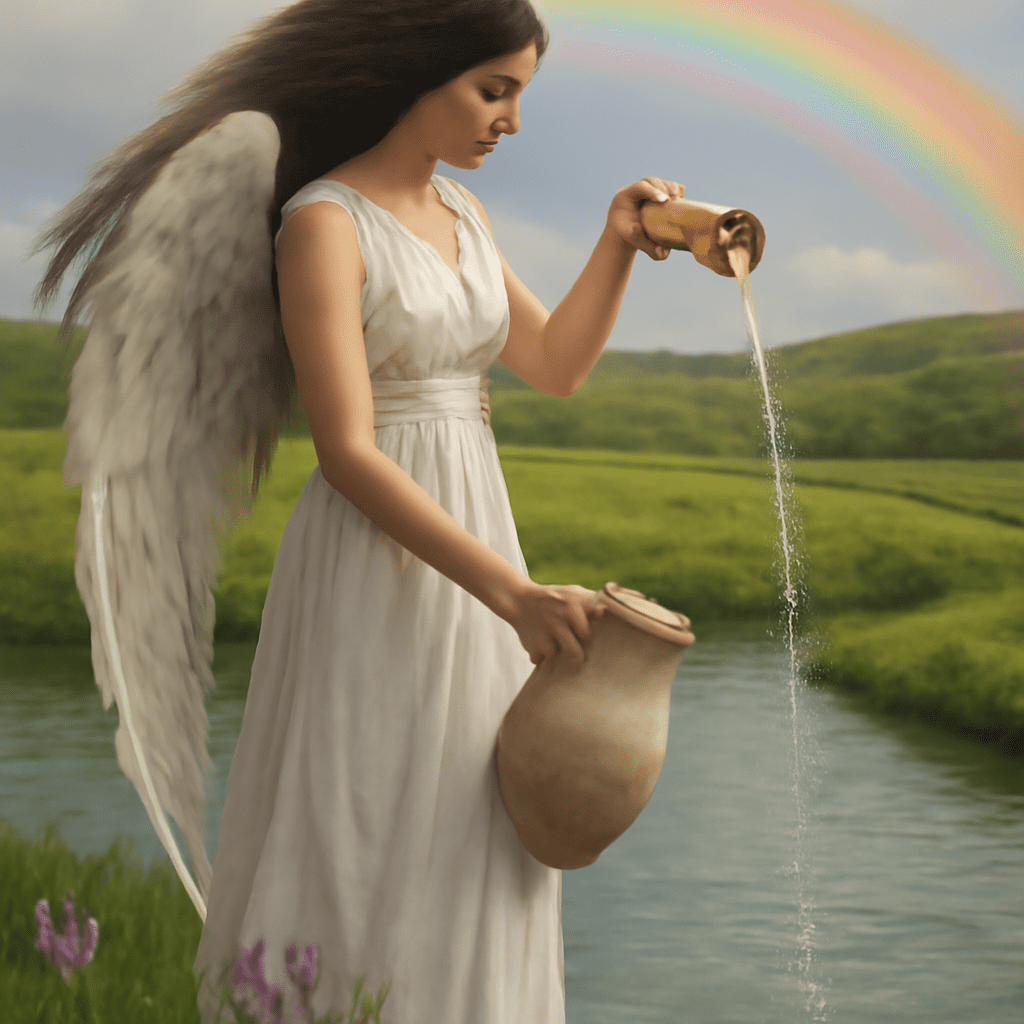
The rainbow is perhaps the most defining symbol associated with Iris. It represents not only her path as she travels swiftly across the sky but also embodies hope, transformation, and a bridge between the divine and earthly. This vibrant arc of colors signifies her presence and influence in the ancient tales.
Attributes and Symbols Associated with Iris
While the rainbow is her most iconic emblem, Iris is also linked to other symbols such as wings, herald’s staff, and a pitcher. Her wings showcase her swiftness, while the staff indicates her role as a messenger. The pitcher is a nod to her part in delivering water from the River Styx to the gods, further cementing her crucial role in mythology.
Iris in Art and Design
Depictions of Iris in Classical Art
Iris has been a subject of many classical art pieces, where she is often depicted with her vibrant wings and ethereal presence. These artworks capture the essence of her divine duty and her connection to the heavens. The use of rich colors and dynamic poses in these pieces reflects her swift, transcendent nature.
Incorporating Iris Imagery into Modern Design
Modern designers can draw from Iris’s imagery to create pieces that evoke her mystical allure. By incorporating elements like rainbows or her angelic wings, you can infuse your work with a sense of mythology and timeless beauty. Her symbolism of communication and transformation offers a narrative depth to contemporary design projects.
Drawing Inspiration from Iris: Tips and Techniques
Understanding the Color Palette of Iris
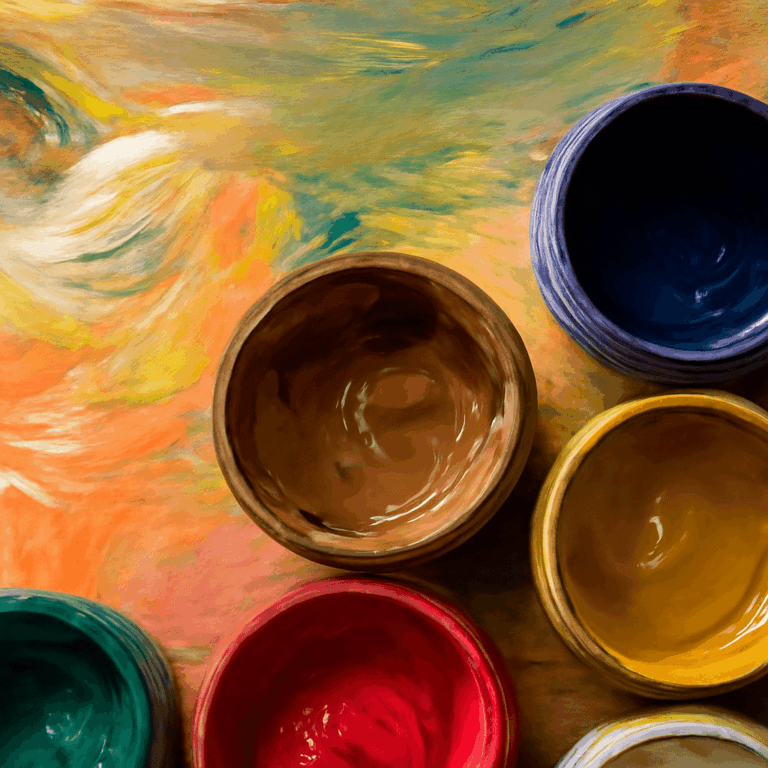
When drawing inspiration from Iris, consider a color palette that reflects the full spectrum of a rainbow. This includes vibrant hues that capture her essence and evoke the magic of her mythological journey. These colors can serve as a foundation for creating visually striking artworks.
Step-by-Step Guide to Sketching Iris
To create a sketch of Iris, start with her most notable features—the flowing robes, intricate wings, and the rainbow motif. Begin with light pencil strokes to map out her form, focusing on the ethereal quality of her presence. As you progress, refine the details, paying special attention to the graceful flow of her garments and the dynamic pose that encapsulates her swift nature.
Conclusion: The Enduring Legacy of Iris
The legacy of Iris continues to captivate and inspire, offering a rich source of inspiration for both art and design. Her story reminds us of the powerful connection between the divine and the earthly, encouraging us to explore how mythological themes can enrich our creative endeavors.