



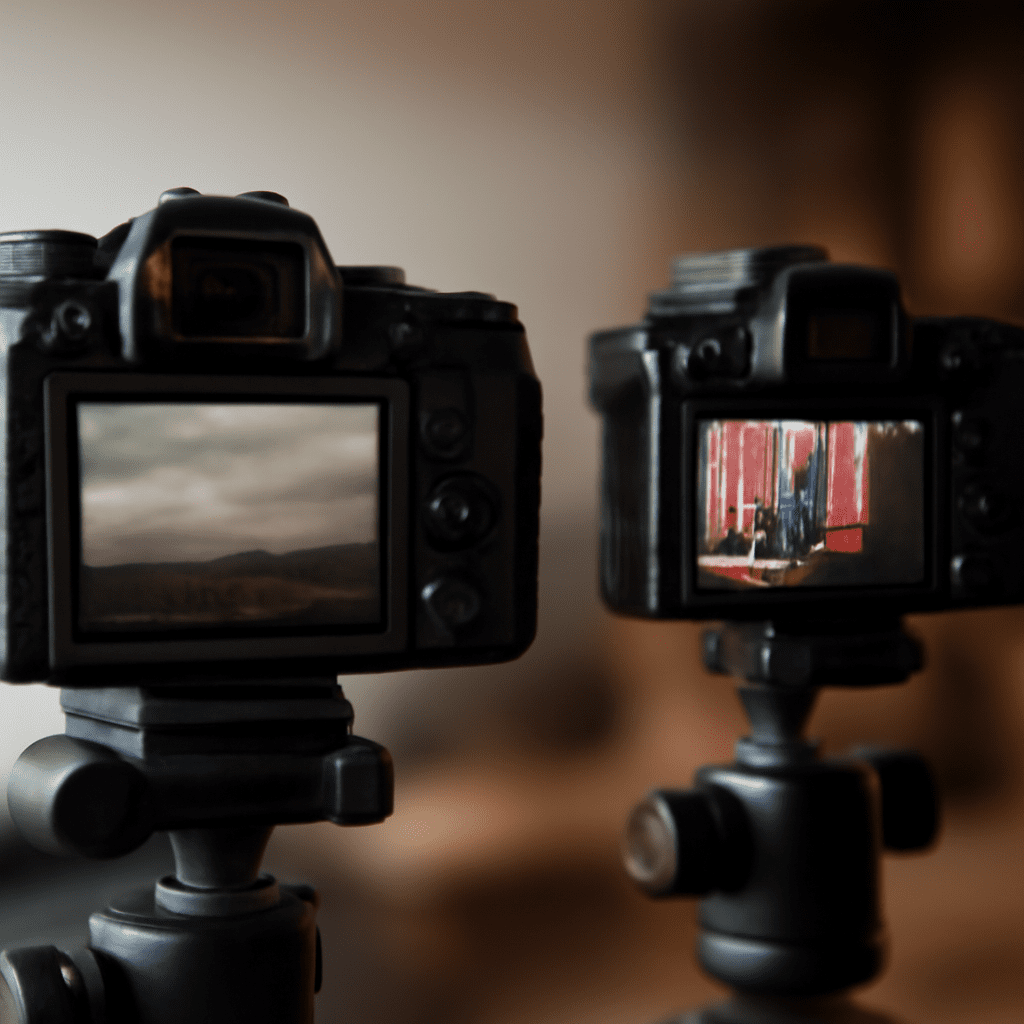
In the realm of photography, the rapid advancement of technology frequently leads to the evolution of tools that redefine the craft. One such innovation is the mirrorless camera, which has transformed the landscape of digital photography. If you’ve ever wondered, “What does mirrorless camera mean?” or sought to comprehend the difference between DSLR and mirrorless cameras, this guide will illuminate these queries. By exploring what is a mirrorless camera, you gain insights into its benefits, technology, and possibilities it offers photographers today.
Understanding What is a Mirrorless Camera
Definition and Basic Features
A mirrorless camera is a type of digital camera that forgoes the mirror mechanism found in traditional DSLRs. This design choice allows for a more compact and lightweight body. Unlike DSLRs, which use a reflex mirror to direct light from the camera’s lens to its optical viewfinder, mirrorless models utilize electronic viewfinders or the camera’s LCD screen. This fundamental change enables faster autofocus and a quieter shooting experience.
Evolution from Traditional Cameras
The transition from film to digital cameras set the stage for the birth of the mirrorless format. Initially, DSLRs were the go-to for serious photographers due to their image quality and adaptability. However, as technology advanced, the benefits of smaller, mirrorless systems became apparent. Over time, improvements in sensor technology and processing power have allowed mirrorless cameras to rival, and in some cases, surpass traditional DSLRs in performance.
What Does Mirrorless Camera Mean for Photographers?
Advantages of Mirrorless Cameras
One of the primary benefits of using a mirrorless camera is its compact size. Without the need for a bulky mirror, these cameras are easier to carry, making them ideal for travel and street photography. Additionally, the electronic viewfinder provides a real-time preview of exposure and depth of field, which can be invaluable in challenging lighting conditions. This real-time feedback allows you to make adjustments on the fly, ensuring the perfect shot.
Who Should Use Mirrorless Cameras?
Mirrorless cameras are suitable for a wide range of photographers. Whether you’re an amateur looking to upgrade from a smartphone, or a professional seeking a secondary camera, the mirrorless format offers versatility and quality. Its lightweight design is particularly appealing to those who prefer a less cumbersome setup without sacrificing image quality. Moreover, videographers often favor mirrorless cameras for their superior autofocus and adaptability to various shooting environments.
The Difference Between DSLR and Mirrorless Cameras
Key Differences in Technology
The primary distinction between DSLR and mirrorless cameras lies in the absence of the mirror system. This leads to differences in size, weight, and functionality. Mirrorless cameras rely on electronic viewfinders, providing a live view that reflects your settings in real-time. In contrast, DSLRs utilize an optical viewfinder, which some purists prefer for its analog feel. Additionally, mirrorless models typically feature faster burst shooting rates and improved focus capabilities.
Pros and Cons of Each Type When comparing the pros and cons, DSLRs often boast longer battery life due to the absence of a constantly active electronic viewfinder. They also offer a more extensive selection of lenses, although this gap is closing as mirrorless systems expand. Conversely, mirrorless cameras are generally quieter and less obtrusive, making them ideal for discreet shooting. However, their shorter battery life can be a downside for extended shoots without access to charging facilities.
Exploring What Are Mirrorless Cameras Available Today
Popular Models and Brands
Today’s market is rich with diverse options when it comes to mirrorless cameras. Leading brands such as Sony, Canon, Nikon, and Fujifilm offer a variety of models catering to different needs and budgets. Sony’s Alpha series, for instance, is renowned for its advanced autofocus and video capabilities. Canon’s EOS R line provides a seamless transition for DSLR users, while Fujifilm’s X-series is celebrated for its retro design and exceptional image quality.
Trends in Mirrorless Camera Technology
The future of mirrorless cameras is promising, with continuous advancements in autofocus speed, low-light performance, and lens availability. Manufacturers are pushing the boundaries, incorporating AI-driven features and higher resolution sensors. Moreover, the integration of computational photography techniques is enhancing the creative possibilities for photographers, allowing for more flexibility in post-processing and image manipulation.
Bottom line: The mirrorless camera represents a significant shift in the photography world, offering a blend of portability, innovative features, and high-quality performance. Whether you’re a seasoned professional or a budding enthusiast, understanding the capabilities and advantages of this technology can greatly enhance your photographic journey.