


The allure of Art Nouveau lies in its ability to captivate with flowing lines and organic forms, a style that emerged as a reaction against the industrial age’s mass production. If you’ve ever admired the harmonious blend of nature and art, you might be drawn to this intricate yet graceful movement. In a world increasingly dominated by technology, crafting with such detail provides a tactile sanctuary. By understanding Art Nouveau’s roots, style, and influence, you can appreciate its lasting impact on modern aesthetics and design.
Art Nouveau design remains relevant today due to its unique characteristics and adaptability. Whether through painting, illustration, or architecture, exploring its features can inspire your own creative endeavors. Let’s delve into the journey of Art Nouveau, exploring its origins, distinct features, influence on illustration, and its enduring presence in contemporary design.
The Origins of Art Nouveau
Art Nouveau emerged in the late 19th century, a time marked by rapid industrialization and a desire to return to more handcrafted and artistic values. This movement, characterized by its organic motifs and curvilinear shapes, began in Europe and quickly spread internationally. It was a period where art and everyday objects started to merge, making beauty more accessible and commonplace.
As you explore the beginnings of Art Nouveau, you’ll see how artists like Gustav Klimt and Alphonse Mucha paved the way with their intricate, nature-inspired designs. Their work reflected a rebellion against traditional art forms, establishing a new wave that emphasized the beauty of nature and the human form. By embracing these principles, you find a seamless connection to the world around you.
Key Characteristics of Art Nouveau Style
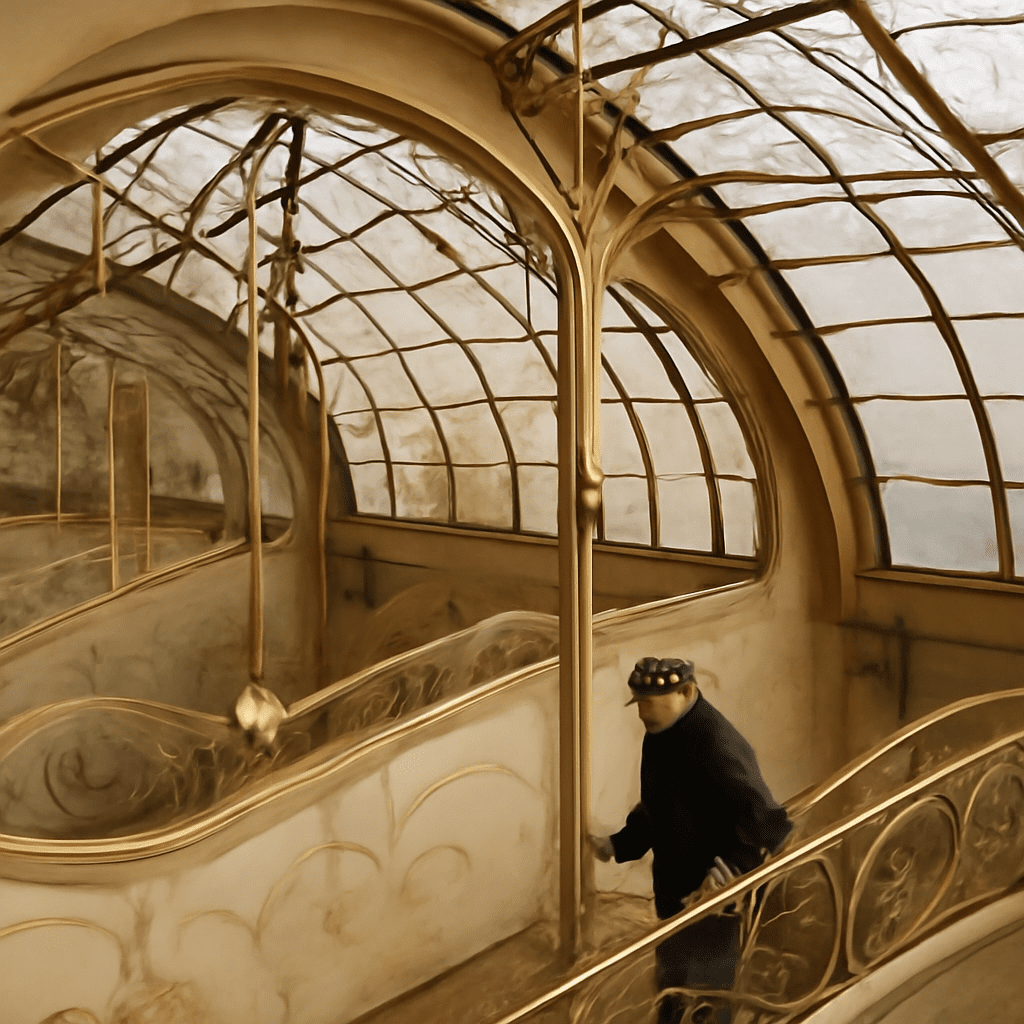
Art Nouveau style is renowned for its graceful curves and organic forms, often inspired by flora and fauna. This distinct aesthetic integrates natural elements into its architecture, interior design, and artwork. Its sinuous lines and delicate detailing create a sense of movement and flow, drawing you into its elegant embrace.
When considering what makes Art Nouveau style unique, the integration of various artistic disciplines stands out. From stained glass windows in historic buildings to intricately carved furniture, this design ethos celebrates the unity of form and function. By adopting these characteristics in your own work, you can achieve a cohesive and expressive creative output.
Exploring Art Nouveau Design in Illustration
Art Nouveau’s influence on illustration is profound, transforming simple drawings into intricate works of art. This movement encourages you to play with line weight and dynamic compositions, drawing inspiration from the natural world. Its emphasis on decorative elements allows you to explore a wide range of textures and patterns.
Incorporating Art Nouveau design into your illustrations involves embracing asymmetry and organic shapes. You might experiment with bold outlines and subtle color palettes, mimicking the soft transitions found in natural environments. Such techniques can elevate your illustrations, providing them with depth and sophistication while maintaining an accessible appeal.
Art Nouveau in Modern Design
Art Nouveau shapes modern design by integrating its timeless aesthetic with contemporary practices. You’ll notice its influence in various fields, including fashion, graphic design, and interior decorating. The movement’s principles of unity and harmony resonate with today’s sustainable and holistic design philosophies.
By applying Art Nouveau in modern contexts, you can create spaces and products that feel both innovative and familiar. This approach often involves combining traditional materials with cutting-edge technology, resulting in designs that are both nostalgic and forward-thinking. As you explore these possibilities, you’re crafting a narrative that bridges the past and future.
Why Art Nouveau Endures
The timeless appeal of Art Nouveau lies in its ability to transcend cultural and temporal boundaries. Its emphasis on beauty and craftsmanship offers a welcome contrast to the digital age’s ephemeral nature. By embracing this enduring style, you connect with a rich history of artistic expression that continues to inspire and captivate.
Art Nouveau’s enduring charm is evident in its versatility and adaptability. Whether through personal expression or professional projects, incorporating its principles allows you to create works that are both meaningful and visually compelling. This movement’s legacy lives on, encouraging you to explore new interpretations and applications of its iconic style.