
Designers and artists often search for fresh ways to add visual depth and tactile appeal to their work. Repeating lines, shapes, and spaces create new possibilities for expressive surfaces. The interplay of open and closed forms, overlapping grids, and subtle shading can bring out dimensional qualities that enrich a flat page or screen. If you’ve ever wondered how to break free from flat color and simple outlines, mesh texture and mesh pattern methods can unlock a variety of creative effects, both in hand-drawn and digital design projects.
Embracing mesh texture lets you explore a world beyond basic fills or solid blocks. By learning how to use a mesh pattern as a structural and decorative element, you can transform static designs into living, breathing visuals that catch the eye and invite closer examination. Whether your medium is graphite, ink, or vector software, these versatile approaches will build your toolbox for all kinds of creative practice.
Understanding Mesh Texture and Mesh Pattern
To make the most of mesh texture in your creative work, you first need to understand what makes this element unique. Mesh texture refers to a surface quality characterized by a network of interlaced lines or shapes—sometimes resembling woven fabric, metal grating, or netting. It can be regular or irregular, crisp or soft, depending on the method and materials you use. When you see artists crosshatching, layering diagonal strokes, or sketching out subtle latticework, they’re leveraging various types of mesh textures to build depth and variation into their artwork.
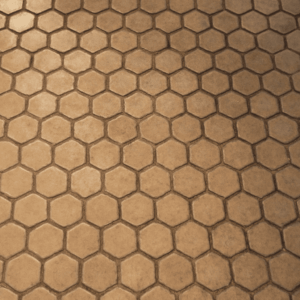
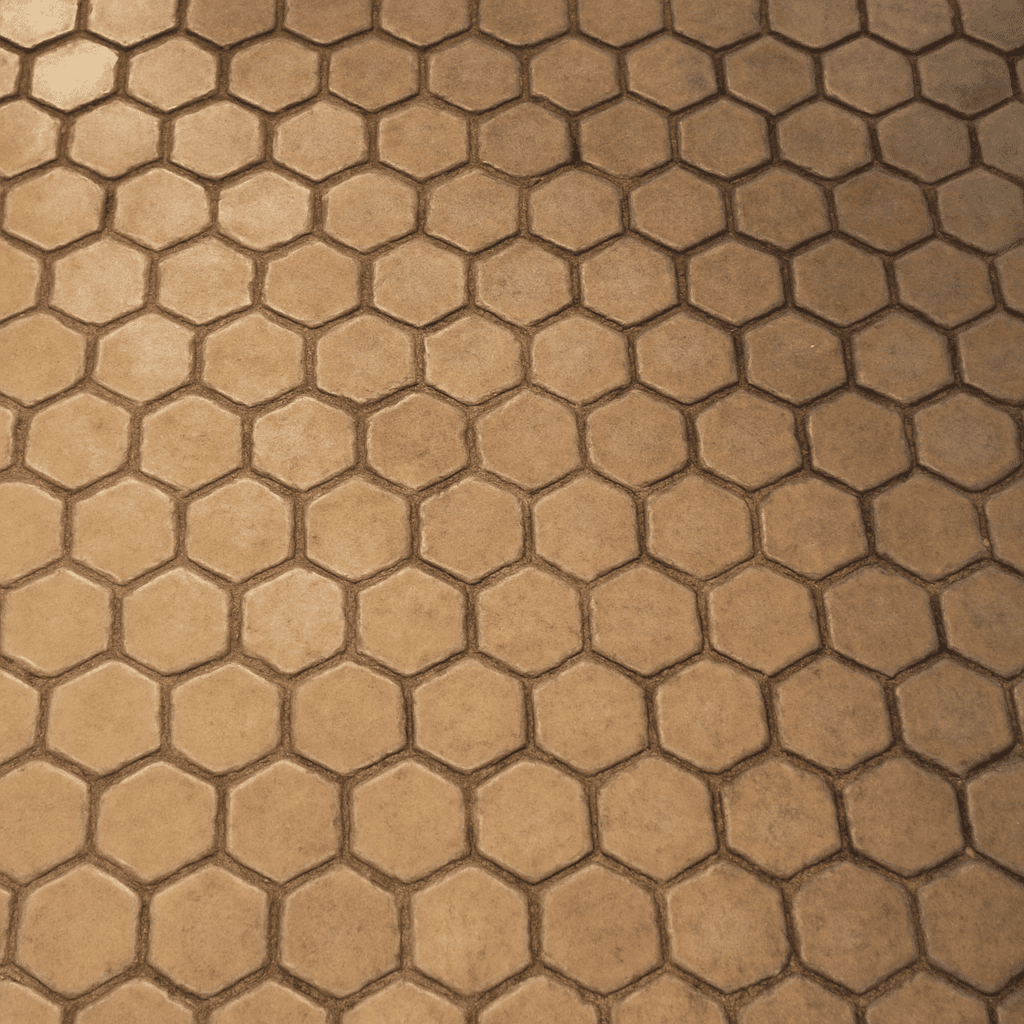
The term mesh pattern often means a repeating, organized system of lines or shapes that mimic the structure of a mesh. In digital design, mesh pattern might refer to grid-based layouts or scalable vector arrangements that repeat seamlessly. If you’re hand-drawing, you might create mesh pattern effects by methodically repeating diamonds, hexagons, or other geometric forms. Whether precise or freeform, these patterns can add both structure and rhythm to your compositions, anchoring abstract works or bringing hard-edged clarity to a more representational drawing.
Developing an eye for mesh texture involves learning to spot where these effects naturally occur—think of chain-link fencing, window screens, or woven textiles—and distilling their essence to suit your medium. You can stylize, abstract, or exaggerate the mesh pattern, experimenting with spacing, line weight, and overlap to suit the context of your work. The more you observe and sketch real-world structures, the richer your design vocabulary becomes.
Why Mesh Texture Matters in Creative Practice
Incorporating mesh texture can dramatically elevate the tactile and visual experience of your artwork. While flat color and smooth gradients have their place, mesh texture introduces a hand-crafted, layered quality that speaks to both tradition and innovation. Applying mesh pattern techniques isn’t just about aesthetics—it’s about fostering a sense of dimension, movement, and even mood within your designs or illustrations.
One major advantage of using mesh texture is its flexibility. You can apply fine, intricate mesh patterns to suggest transparency, delicacy, or lightness—think gossamer fabric or the shimmer of a dragonfly’s wings. With broader, bolder mesh texture marks, you can communicate ruggedness or solidity, as seen in industrial grilles or wire mesh fencing. This adaptability allows you to tailor mesh pattern effects to fit various themes, from fashion sketches to architectural renderings or logo design.
Experimenting with mesh texture helps break the monotony of flat planes and gives your work a tactile “feel” even on a digital screen. You might use mesh pattern motifs to direct the viewer’s eye, create focal points, or balance out dense, saturated areas with airier, lighter passages. Creative practice becomes more engaging as you challenge yourself to find new roles for mesh texture in every project you tackle.
Techniques for Drawing Mesh Patterns
Learning how to draw mesh texture is as much about observation as it is about technique. To achieve convincing mesh pattern results, start by lightly sketching the underlying grid or framework using a pencil or thin pen. Adjust the spacing and angle to fit your subject, whether it’s an abstract background or a rendered object. Layering is crucial: try overlapping diagonal lines, crosshatching, or combining vertical and horizontal strokes for a woven or lattice effect.
Experiment with the density of your mesh texture. Tighter mesh pattern lines create darker, more solid areas—ideal for shadows or high-contrast sections—while wider spacing lends a sense of openness and light. For a more organic look, vary the pressure and thickness of your marks, letting some lines fade while others remain sharp. If you’re working digitally, use custom brushes or mesh pattern fills within vector software, scaling and distorting as needed to match your design’s curves and contours.
Don’t be afraid to blend mesh texture with other mark-making techniques. Try combining stippling or scribbling with mesh pattern overlays to add complexity to your surfaces. Always step back and check your work from a distance: does the mesh texture enhance your overall composition without becoming too busy? Balance precision with spontaneity to keep your mesh pattern feeling alive and expressive.
Inspiring Ideas for Using Mesh Texture in Design
Integrating mesh texture into your creative projects opens up a wealth of stylistic options. In illustration, try using mesh pattern as a background element to evoke atmosphere—subtle grids can suggest cityscapes, nets, or even dreamlike environments. In fashion or textile design, sketching mesh texture helps convey the material quality of lace, netting, or performance fabrics, allowing your audience to “feel” the garment through the drawing.
In digital product design, mesh pattern can create engaging overlays for app backgrounds or website banners. By applying mesh texture at varying opacities, you can generate a sense of depth, layering, and light that sets your work apart from flat, single-tone competitors. Logo designers often use mesh pattern to symbolize connection, strength, or flexibility—think of stylized nets or interwoven lines within brand marks.
For experimental artists, combining mesh texture with other media (such as watercolor washes or collage) can produce rich, unexpected effects. Try printing mesh pattern grids on translucent paper, or cutting stencils for spray-painting mesh textures onto canvas or walls. These hands-on interventions keep your practice innovative and tactile, whether you’re working in a sketchbook or creating large-scale installations.
Common Mistakes and Pro Tips for Mesh Pattern
Even seasoned artists can stumble when working with mesh pattern. A common pitfall is letting mesh texture overwhelm the main subject—remember, balance is key. Avoid making every area equally dense; instead, reserve the most intricate mesh pattern work for focal points or shadowed regions, and let other areas “breathe” with negative space.
Another frequent mistake involves rigid, mechanical application. While mesh texture often relies on repetition, too-perfect lines can feel sterile. Introduce subtle irregularity by tilting your strokes, varying widths, or breaking up the mesh pattern here and there. This adds interest and authenticity, especially when mimicking natural or hand-woven surfaces.
For best results, regularly step away from your work and view it under different lighting. Digital artists should test mesh texture at multiple zoom levels—what looks great up close might become muddy at a distance. Keep a reference file of mesh pattern examples, both photographic and drawn, to refresh your visual library when you’re feeling stuck. Mastering mesh texture takes time, but a spirit of experimentation and attentive editing will set your work apart.
Next steps: To elevate your creative practice, dedicate time each week to drawing or designing with mesh texture and mesh pattern. Challenge yourself to recreate real-world meshes, invent new grid systems, and merge mesh techniques with your favorite media. Regular review and playful iteration will help you refine your mesh pattern skills and develop a signature approach that sets your work apart.